


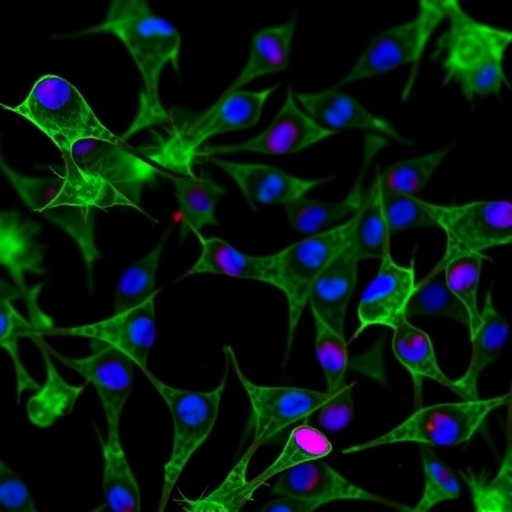
Recent scientific investigations have spotlighted the therapeutic potential of natural substances derived from plants, particularly in combating cancer — one of the most formidable challenges in modern medicine. An intriguing study conducted by Nafeh and collaborators explores the effects of Urtica dioica, commonly known as stinging nettle, on cisplatin-induced apoptosis in ovarian cancer cells. This research presents a compelling narrative that intertwines traditional herbal knowledge with contemporary cancer treatment strategies.
Traditionally, Urtica dioica has been revered for its medicinal properties, having been utilized in various cultures for centuries. Its leaves are packed with bioactive compounds, including flavonoids and polyphenols, which are believed to contribute to its potential therapeutic effects. The current study adds a significant layer of understanding by investigating how this plant can modulate the apoptotic pathways triggered by cisplatin, a chemotherapeutic agent widely used in treating ovarian cancer.
Apoptosis, or programmed cell death, plays a crucial role in controlling cancer progression. Cisplatin functions by inducing DNA cross-links, leading to cellular stress and ultimately apoptosis. However, cancer cells often develop resistance to cisplatin, diminishing its efficacy. The researchers aimed to determine whether Urtica dioica leaf infusion could enhance the apoptotic effects of cisplatin on ovarian cancer cells, potentially offering a dual-action approach to therapy.
The experimental design involved treating ovarian cancer cells with different concentrations of Urtica dioica leaf infusion. The researchers meticulously monitored cell viability and apoptosis rates through various assays. Notably, the infusion exhibited a notable capacity to enhance the effects of cisplatin, prompting a higher rate of apoptosis in the cancer cells compared to cisplatin treatment alone. This synergistic interaction raises compelling questions about the role of herbal medicine in contemporary oncology.
Further analysis highlighted that the infusion of Urtica dioica not only increased the efficacy of cisplatin but also appears to modulate multiple signaling pathways associated with apoptosis. By influencing these pathways, the infusion may help overcome the resistance that tumors often develop, making chemotherapy more effective. The interplay between herbal medicine and pharmaceutical interventions is a burgeoning field of research that may redefine cancer treatment paradigms.
Moreover, the safety profile of using herbal infusions like Urtica dioica in conjunction with established chemotherapeutic agents may present a compelling advantage over traditional treatments. One of the significant concerns with chemotherapy is the collateral damage to healthy cells, which leads to severe side effects. However, the incorporation of a natural remedy could minimize these adverse effects, providing patients with a better quality of life even while undergoing intense treatment regimens.
While the in vitro results are promising, the transition from bench to bedside remains a critical step. Clinical trials will be necessary to establish the efficacy and safety of Urtica dioica in human subjects undergoing cisplatin therapy. However, the notion that a natural, accessible plant can potentially intensify the effects of a powerful chemotherapeutic agent invites optimism in cancer research.
Additionally, this study acts as a testament to the increasing recognition of integrative approaches in medicine. The synergy between herbal supplements and conventional drugs could pave the way for more comprehensive treatment plans that address not only the disease but also the overall well-being of patients. This echoes a broader trend in healthcare where patient-centric treatments are becoming the focus.
Interestingly, Urtica dioica is readily available and commonly found in various regions, making it an attractive candidate for further research and integration into treatment protocols. Its widespread prevalence may also facilitate patient access and affordability when compared to specialty medications that are often cost-prohibitive.
The implications of this research stretch beyond immediate cancer treatment. As we continue to uncover the complex interactions between herbal compounds and pharmaceuticals, there is an opportunity to harness these relationships for broader therapeutic applications. The findings could also inspire further studies on other medicinal plants and their potential synergies with various chemotherapy agents.
As the scientific community delves deeper into the biological mechanisms at play, the hope is to translate these findings into actionable strategies that can offer real change in cancer care. In just a few decades, the impetus for incorporating natural remedies alongside conventional therapies could revolutionize the treatment landscape for many cancers.
Integrating herbal medicine into modern oncological practices is a delicate balance of respecting traditional wisdom while adhering to rigorous scientific scrutiny. The careful documentation of dosage, safety, and efficacy will be essential as such practices gain traction. Public awareness and education will also play an essential role in this transition, ensuring patients are informed and empowered to choose their treatment options.
The journey from leaf infusion to oncology advances is laden with complexities, but the potential rewards make this a compelling area of exploration. If further studies substantiate the findings of Nafeh et al., we may witness the dawn of new integrative treatment protocols that effectively merge age-old practices with cutting-edge science.
In the ever-evolving field of cancer research, the importance of collaboration across disciplines cannot be overstated. Researchers, clinicians, and herbalists must work together to ensure that we are correctly paving the way forward for innovative treatments. As we continue to explore the vast potential locked within nature, the synergy of herbal infusions like Urtica dioica with established therapies may be just the beginning of a new era in cancer care.
In summary, the investigation by Nafeh and associates opens a promising avenue for enhancing the effectiveness of cisplatin chemotherapy in ovarian cancer treatment using Urtica dioica. This research holds immense potential not just for improving patient outcomes but also for enriching the dialogue on the role of integrative medicine within conventional healthcare paradigms. With continued exploration and validation, we may soon find ourselves at the forefront of a transformative approach to treating one of humanity’s most persistent ailments.
Cite Scienmag News
Nathaniel Bowman. (August 25, 2025). Urtica dioica Boosts Cisplatin-Induced Apoptosis in Ovarian Cancer. Scienmag. https://scienmag.com/urtica-dioica-boosts-cisplatin-induced-apoptosis-in-ovarian-cancer/
Nathaniel Bowman. "Urtica dioica Boosts Cisplatin-Induced Apoptosis in Ovarian Cancer." Scienmag, 25 August 2025, https://scienmag.com/urtica-dioica-boosts-cisplatin-induced-apoptosis-in-ovarian-cancer/. Accessed 6 September 2026.
Nathaniel Bowman. "Urtica dioica Boosts Cisplatin-Induced Apoptosis in Ovarian Cancer." Scienmag. August 25, 2025. https://scienmag.com/urtica-dioica-boosts-cisplatin-induced-apoptosis-in-ovarian-cancer/


