


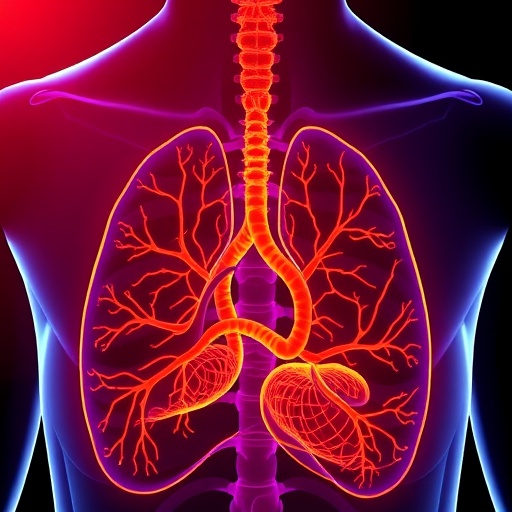
Cholangiocarcinoma, commonly known as bile duct cancer, remains one of the most challenging malignancies in oncology due to its aggressive nature, late diagnosis, and poor prognosis. Originating within the intricate network of bile ducts that transport bile from the liver to the small intestine, this cancer often progresses silently, evading early clinical detection and rendering curative treatments rare. The global medical community, spearheaded by leading experts including Professor John Bridgewater from the UCL Cancer Institute, has issued a clarion call for a paradigm shift in how this lethal disease is diagnosed, researched, and treated.
Despite its classification as a rare cancer, cholangiocarcinoma is responsible for significant mortality worldwide, with thousands succumbing annually in countries such as England alone. The insidious progression of this disease frequently leads to late-stage diagnosis, where surgical interventions—currently the only known curative option—are no longer viable. Consequently, the survival statistics paint a grim picture; only around 25% of patients survive beyond one year post-diagnosis. This dismal outcome underscores the urgent need for innovative approaches and heightened clinical vigilance.
One of the predominant challenges inherent in cholangiocarcinoma management is the lack of early symptom specificity. Patients often present with nonspecific clinical manifestations such as jaundice, right upper quadrant pain, unexplained weight loss, and pruritus, all of which are commonly mistaken for less severe hepatobiliary conditions. This symptom overlap significantly delays referral to specialist centers equipped to undertake precise diagnostic procedures and personalized treatment planning.
Leading clinicians and researchers advocate for a multi-faceted strategy that hinges upon advancements in diagnostic modalities, molecular profiling, and equitable access to specialized care. Greater public and professional awareness of early warning signs and symptomatology is paramount to facilitating earlier clinical engagement. Streamlined referral pathways to hepatobiliary cancer centers would ensure timely intervention, potentially improving resectability rates and overall survival outcomes.
The integration of routine molecular genetic testing in standard clinical practice represents a pivotal innovation in the field. Cholangiocarcinomas exhibit heterogeneous genomic profiles, including mutations and alterations in genes such as IDH1/2, FGFR2 fusions, and KRAS. These molecular aberrations provide actionable targets for novel therapies, including tyrosine kinase inhibitors and immunotherapies, which have demonstrated the potential to extend patient survival in clinical trials. Without comprehensive molecular characterization, eligible patients may be deprived of these life-prolonging interventions.
To catalyze progress, an international consensus involving 147 experts from 35 countries synthesized current knowledge and identified strategic priorities to combat the rising incidence of this malignancy. Central to these priorities is the imperative for robust research funding and expansion of clinical trials. The scientific community acknowledges that innovative experimental therapies and improved understanding of tumor biology are essential to overcome therapeutic resistance and disease heterogeneity.
Furthermore, the centralization of patient care in high-volume, specialized cancer centers permits multidisciplinary management approaches that include surgeons, oncologists, radiologists, and palliative care experts. Such coordinated care models have been shown to optimize surgical outcomes, patient quality of life, and facilitate enrollment in cutting-edge clinical studies.
The steady increase in cholangiocarcinoma incidence globally, notably among younger adult populations, exacerbates the strain on healthcare infrastructures such as the NHS. This trend heightens the necessity for targeted public health initiatives and policy reforms aimed at early detection and resource allocation to biliary tract cancer services.
Professor John Bridgewater emphasizes that the statistics represent human lives and families profoundly affected by this disease’s devastating impact. He advocates fervently for sustained national priorities focused on accelerated diagnostics, equitable access to precision oncology services, and increased investment in translational research capabilities.
The recent publication of the consensus statement in a prestigious scientific journal stands as a testimony to the global commitment to addressing the unmet needs surrounding cholangiocarcinoma. However, realizing tangible improvements in patient outcomes mandates concerted action from governments, healthcare providers, researchers, and advocacy groups worldwide.
In conclusion, cholangiocarcinoma exemplifies a critical frontier in oncology requiring transformative strategies encompassing early diagnosis, molecular medicine, specialist care accessibility, and expanded clinical research. Only through comprehensive and coordinated efforts can the tide of this silent but deadly cancer be reversed, ultimately improving survival and quality of life for patients affected by this formidable adversary.
News Publication Date: 10-Dec-2025
Web References: http://dx.doi.org/10.1038/s41575-025-01153-w
Cite Scienmag News
Nathaniel Bowman. (March 2, 2026). Urgent Appeal to Enhance Survival Outcomes for Bile Duct Cancer Patients. Scienmag. https://scienmag.com/urgent-appeal-to-enhance-survival-outcomes-for-bile-duct-cancer-patients/
Nathaniel Bowman. "Urgent Appeal to Enhance Survival Outcomes for Bile Duct Cancer Patients." Scienmag, 2 March 2026, https://scienmag.com/urgent-appeal-to-enhance-survival-outcomes-for-bile-duct-cancer-patients/. Accessed 6 September 2026.
Nathaniel Bowman. "Urgent Appeal to Enhance Survival Outcomes for Bile Duct Cancer Patients." Scienmag. March 2, 2026. https://scienmag.com/urgent-appeal-to-enhance-survival-outcomes-for-bile-duct-cancer-patients/


