


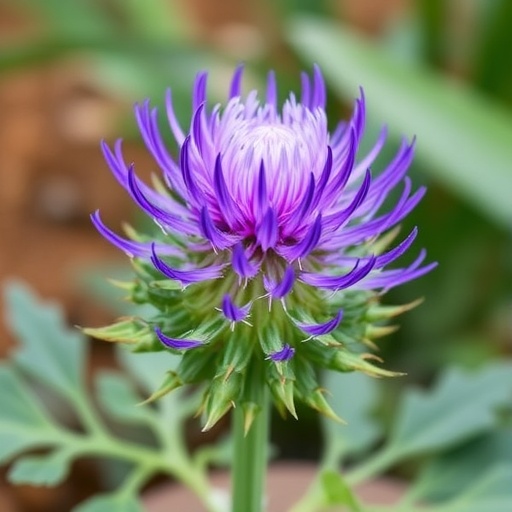
In recent years, the demand for alternative medicine has surged. As a result, extensive research has delved into the multifaceted benefits of various plant species known for their medicinal properties. One such plant that has garnered attention among ethnopharmacologists is Eryngium thyrsoideum Boiss., traditionally used in various cultures for its therapeutic qualities. Its molecular identification, coupled with chemical profiling and exploration of its bioactive potential, has spurred intrigue within the scientific community and beyond.
Eryngium thyrsoideum, part of the Apiaceae family, is typically found in regions characterized by dry and rocky terrains. This plant, sometimes referred to as thorny eryngo, thrives in areas rich in sunlight, which significantly contributes to its adaptive nature and resilience. The unique morphological traits of Eryngium thyrsoideum, including its spiny leaves and distinctive flowers, play a crucial role in its survival and reproductive success in harsh environments. This adaptability not only hints at the plant’s potential but also raises questions regarding its chemical composition and bioactive properties.
The identification of Eryngium thyrsoideum at a molecular level is significant for understanding its pharmacological applications. Recent advances in molecular techniques have enabled researchers to dissect and understand the genetic makeup of this plant. Molecular identification allows scientists to validate the species biologically and provides a framework for further investigations into its chemistry and pharmacology. This process can lead to the identification of potential bioactive compounds that hold promise in various therapeutic areas, including anti-inflammatory and antimicrobial applications.
Furthermore, a chemical profiling approach has unveiled a plethora of phytochemical constituents within Eryngium thyrsoideum. Flavonoids, terpenoids, and alkaloids are a few examples of the classes of compounds that researchers have successfully isolated from this plant. Each of these compounds plays unique roles in the plant’s survival strategies, from deterring herbivores to attracting pollinators. Understanding the specific chemical makeup opens avenues for exploring the broader implications of these compounds in medical science, particularly concerning their health benefits for human consumption.
The bioactive potential of Eryngium thyrsoideum has piqued the interest of both traditional and modern medicine practitioners. Laboratory studies have indicated promising antimicrobial properties, suggesting that extracts from this plant could serve as natural preservatives or therapeutic agents against various pathogens. Such properties are particularly significant in the face of rising antibiotic resistance, highlighting the urgent need for novel antimicrobial agents derived from natural sources, which the Eryngium species may provide.
Additionally, research has pointed towards Eryngium thyrsoideum’s potential anti-inflammatory effects. Chronic inflammation is a common underlying factor in various diseases, including cardiovascular issues and autoimmune disorders. If Eryngium thyrsoideum can provide an effective natural solution for managing inflammation, it could revolutionize treatment regimens in complementary and integrative health settings.
In terms of its ethnopharmacological significance, Eryngium thyrsoideum is reputed in numerous indigenous cultures for its utility in treating various ailments. The knowledge of its healing properties has been passed down through generations, often used in folk medicine formulations. This cultural heritage not only emphasizes the importance of biodiversity but also the need for further scientific validation of these traditional uses. By bridging culture with science, researchers can provide robust evidence that may authentic traditional healing applications.
Moreover, the focus on Eryngium thyrsoideum aligns with a broader trend in science that seeks to explore and validate indigenous knowledge systems. Collaborations between ethnopharmacologists and local communities can facilitate the discovery of other plants with significant therapeutic potential. The intersection of scientific inquiry and traditional practices can provide a holistic understanding of the multifaceted nature of chemistry and biology in health.
As research deepens, it is crucial to analyze not only the bioactive potential of Eryngium thyrsoideum but also the sustainability of its harvesting. Overexploitation of medicinal plants poses a dire threat to biodiversity. The commitment to sustainable practices ensures that Eryngium thyrsoideum can continue to thrive in its natural habitat, providing ecological benefits alongside its medicinal properties. Sustainable harvesting practices will ensure that future generations continue to benefit from this plant.
The implications of studying Eryngium thyrsoideum extend beyond botanical research. The potential discovery of effective natural compounds could lead to new drug developments, ultimately enhancing public health and wellness. Continued investigations in this space may not only yield profitable pharmaceuticals but also support the livelihoods of communities who have historically relied on natural resources for their health and economic stability.
In summary, the scientific exploration of Eryngium thyrsoideum as detailed in the research conducted by Karim, Rasul, Halshoy, and colleagues presents a multifaceted opportunity to understand the molecular, chemical, and bioactive properties of this remarkable plant. The integration of traditional knowledge with modern scientific methodologies serves as a beacon of hope, leading the way for innovations in medicine rooted in nature. The interconnection between the plant’s ethnopharmacological significance and its scientific validation creates a narrative of discovery that resonates deeply within the realm of health sciences.
As more research surfaces, the intrigue surrounding Eryngium thyrsoideum is sure to grow, further emphasizing the importance of preserving traditional knowledge and enhancing our understanding of plant-derived medicines. The journey has only just begun, but for Eryngium thyrsoideum, the potential for impactful discoveries is limitless, urging scientists and health professionals to explore further avenues for harnessing the power of nature in combating health challenges.
Karim, H.R., Rasul, K.S., Halshoy, H. et al. Molecular identification, chemical profiling, and bioactive potential of Eryngium thyrsoideum Boiss.: ethnopharmacological perspectives.
Sci Nat 112, 96 (2025). https://doi.org/10.1007/s00114-025-02052-5
Cite Scienmag News
Drew Townsend. (December 1, 2025). Unveiling Eryngium thyrsoideum: Insights into Its Benefits. Scienmag. https://scienmag.com/unveiling-eryngium-thyrsoideum-insights-into-its-benefits/
Drew Townsend. "Unveiling Eryngium thyrsoideum: Insights into Its Benefits." Scienmag, 1 December 2025, https://scienmag.com/unveiling-eryngium-thyrsoideum-insights-into-its-benefits/. Accessed 3 September 2026.
Drew Townsend. "Unveiling Eryngium thyrsoideum: Insights into Its Benefits." Scienmag. December 1, 2025. https://scienmag.com/unveiling-eryngium-thyrsoideum-insights-into-its-benefits/


