


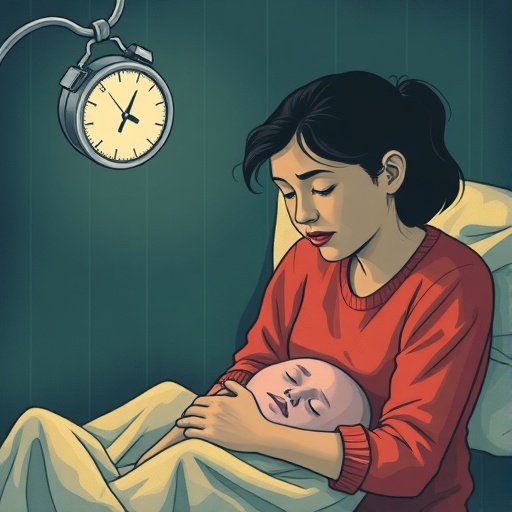
In contemporary society, the invisible labor predominantly carried out by women—often referred to as mental load, invisible work, or “the extra shift”—constitutes a substantial but largely unrecognized burden. This unpaid domestic work, which includes essential activities such as meal preparation, laundry, school runs, and managing medical appointments, is imperative for maintaining the rhythm of everyday life. Despite its critical role, this labor often goes undervalued and unacknowledged by the broader society that relies on it. Researchers are increasingly emphasizing the need to understand how this unpaid work impacts the health and wellbeing of those predominantly responsible for it.
When unpaid domestic responsibilities are combined with paid employment, the cumulative workload creates a complex challenge, pushing individuals, especially women, into a state commonly described as “time poverty.” This term reflects the overwhelming pressure of balancing paid and unpaid tasks, often at the expense of personal time and essential rest. While prior research has mainly examined the effects of paid work hours on health outcomes, there has been a relative paucity of studies investigating total working hours, encompassing both paid and unpaid labor.
To address this gap, a multidisciplinary research team from Osaka Metropolitan University has undertaken a comprehensive investigation into how total daily working hours relate to sleep quality and mental health among middle-aged Japanese men and women. Professors Akiko Morimoto and Naho Sugita led this study, employing a self-administered postal questionnaire that captured data on demographics, total working hours (paid and unpaid), sleep quality, and mental health indicators. The survey was conducted across five municipalities within Osaka Prefecture, yielding responses from 3,959 healthy Japanese workers aged between 40 and 64.
The demographic analysis revealed a stark gender disparity in the distribution of unpaid labor. Although men generally logged more paid working hours than women, the latter significantly exceeded men in time spent on domestic and caregiving tasks. Approximately 90% of women actively engaged in household chores compared to about 40% of men, underscoring a persistent imbalance in the division of domestic labor. This imbalance results in longer total workdays for women, combining formal employment with unpaid responsibilities.
Crucially, the study found that extended total working hours were associated with an increased risk of nonrestorative sleep—a condition where sleep fails to leave one feeling refreshed—in both genders. However, this effect was more pronounced among women. Furthermore, prolonged working hours were strongly correlated with poorer mental health outcomes in women but not as significantly in men. These findings suggest that unpaid domestic work adds a meaningful strain on women’s health beyond what is captured by considering paid work alone.
Professor Morimoto emphasized that, for women, total daily working hours serve as a more robust predictor of sleep quality and mental health than paid work hours measured in isolation. This insight challenges traditional occupational health models that neglect unpaid labor and its consequences for wellbeing. By integrating total working hours into future assessments, researchers could better understand gender-specific health risks posed by societal roles and expectations.
Echoing this perspective, Professor Sugita highlighted the potential policy implications derived from quantifying cumulative work hours. She noted that embedding comprehensive working hour metrics into institutional and governmental frameworks might mitigate health disparities currently fueled by gendered labor divisions. Such policy shifts could also contribute to achieving broader goals of gender equality by promoting equitable workload distributions and supporting the health of working populations.
The methodology employed—a cross-sectional survey—is among the most suitable for capturing large-scale patterns of labor engagement and health outcomes within the general population. Nevertheless, the reliance on self-reported data can introduce biases, such as underreporting or overestimating unpaid work hours. Future research might complement these findings with longitudinal studies or objective time-use diaries to validate and extend understanding of these relationships over time.
This study’s publication in the respected journal Social Science & Medicine underscores its rigor and contribution to multidisciplinary discourse bridging economics, nursing, sociology, and public health. It advances the dialogue surrounding unpaid work and health by quantitatively situating unpaid labor within the broader context of total workload and its physiological and psychological ramifications.
Understanding that unpaid domestic work entails invisible demands that intersect with paid employment is critical to unraveling the complex matrix of societal expectations and individual wellbeing. The burden disproportionately borne by women affects not only sleep and mental health but potentially extends to chronic conditions linked with sustained stress and exhaustion. As contemporary labor markets and households evolve, acknowledging and addressing these hidden dimensions becomes urgent.
In sum, the Osaka Metropolitan University research provides compelling evidence that total daily working hours, including unpaid care and domestic work, are significant determinants of nonrestorative sleep and mental health in middle-aged populations. This gendered perspective invites a reassessment of how societies define labor value and propose solutions to foster health equity across genders. By broadening the analytical lens beyond paid employment, policymakers and health professionals alike can forge strategies that honor the full spectrum of labor impacting human health.
Cite Scienmag News
Glenn Wilkins. (April 7, 2026). Unseen Weight: How Unpaid Labor and Poor Sleep Impact Mental Health. Scienmag. https://scienmag.com/unseen-weight-how-unpaid-labor-and-poor-sleep-impact-mental-health/
Glenn Wilkins. "Unseen Weight: How Unpaid Labor and Poor Sleep Impact Mental Health." Scienmag, 7 April 2026, https://scienmag.com/unseen-weight-how-unpaid-labor-and-poor-sleep-impact-mental-health/. Accessed 4 September 2026.
Glenn Wilkins. "Unseen Weight: How Unpaid Labor and Poor Sleep Impact Mental Health." Scienmag. April 7, 2026. https://scienmag.com/unseen-weight-how-unpaid-labor-and-poor-sleep-impact-mental-health/


