


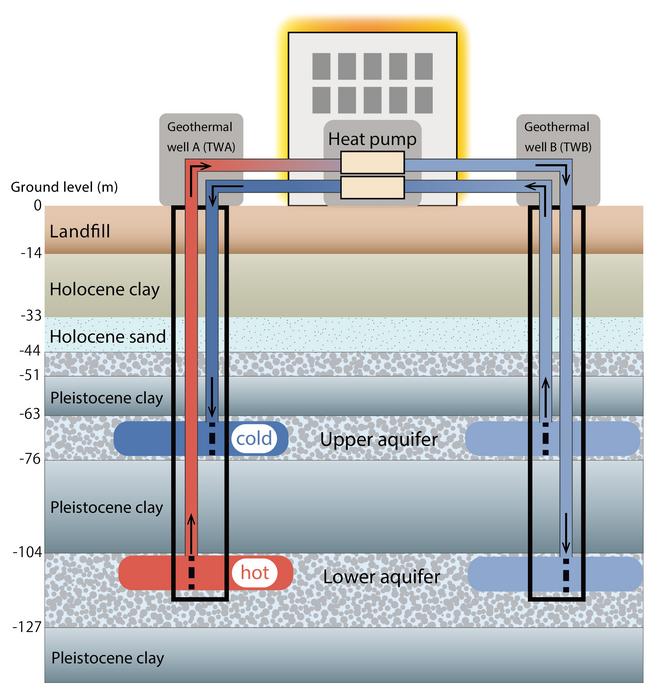
The aquifer thermal energy storage (ATES) system is rapidly gaining recognition as a sustainable approach to energy management, particularly in the context of escalating concerns regarding fuel consumption and greenhouse gas emissions. This innovative method harnesses geothermal heat from underground aquifers, employing groundwater as a medium for heating and cooling buildings. Essentially, the ATES system functions by extracting and storing excess heat during warmer months and then utilizing this stored energy in colder seasons, thus promoting overall energy efficiency and reducing reliance on fossil fuels.
The implementation of ATES technology is gaining momentum across Europe, with Japan poised to follow in its footsteps. Despite its potential benefits, the operational success of ATES systems relies significantly on meticulous monitoring and maintenance of water quality. Recent developments underscore the need for regular inspections, as any oversight can lead to complications that jeopardize the efficiency of the system.
A pivotal study conducted by a research team led by Specially Appointed Professor Harue Masuda at Osaka Metropolitan University has shed light on the importance of addressing water quality and system maintenance. This study focuses on an incident involving the clogging of a plumbing pipe connected to an ATES well in Osaka. The team discovered that the hindrance was caused by iron oxyhydroxide precipitation, a scenario that unfolded after a ventilation mishap allowed air to permeate the geothermal well. This introduction of oxygen resulted in a conducive environment for the precipitation, leading to clogging and leaks, as well as the mixing of groundwater between aquifers situated at different depths.
Fortunately, nature intervened. The natural microbial activity within the aquifer played a crucial role in dissolving the iron oxyhydroxide clog. This organic recovery process highlighted the resilience of the ecosystem but also served as a critical lesson in the operation of ATES systems: water quality assessment prior to the initiation of operations is paramount. The incident serves as a clarion call for operators to prioritize careful monitoring of the ATES systems over the long term.
The research emphasizes the significance of geochemical analysis of groundwater—an aspect that has often been overlooked in engineering practices. Professor Masuda’s findings advocate for establishing a set of guidelines aimed at monitoring water quality, thereby ensuring the sustainable implementation of ATES systems. As the world increasingly turns toward renewable energy solutions, the insights gained from this study hold the promise of optimizing the functionality and longevity of geothermal systems.
It is essential to recognize that the integration of geothermal energy storage represents a vital step towards a more sustainable future, especially as nations strive to mitigate climate change impacts. The ATES system not only offers energy efficiency but also contributes to significant reductions in carbon emissions. Its design is inherently adaptable; it can be tailored to various climates and urban planning needs, making it a versatile option for cities aiming to transition to renewable energy.
Furthermore, the potential economic advantages of adopting ATES technology cannot be overlooked. By reducing dependency on conventional heating and cooling methods, buildings can reap substantial savings on energy costs. This aspect is particularly crucial for urban areas, where energy demand is continually on the rise. The upfront investments in ATES infrastructure may seem daunting; however, the long-term financial benefits and environmental gains create a compelling case for its adoption.
In light of the increasing occurrence of extreme weather events and the growing urgency to combat climate change, the shift toward energy systems like ATES is not just prudent—it’s essential. The implications of these findings extend beyond the realm of thermal energy systems; they signal a broader need for an integrated approach to environmental monitoring and energy usage across various sectors.
This experience reinforces the necessity of collaboration among researchers, engineers, and policymakers to develop a robust framework for implementing ATES technologies. Governments and organizations must invest in innovative research and establish policies that promote the adoption of sustainable practices in energy management. Educational institutions, like Osaka Metropolitan University, play a critical role in advancing knowledge in this field and should be supported in their endeavors.
In summary, the ATES system stands as a promising solution for addressing the challenges of energy efficiency and carbon emissions. As researchers continue to explore its intricacies and operational requirements, the insights gained from recent studies like that of Professor Masuda will guide the future of geothermal energy storage. The dual challenge of achieving technological advancement while ensuring environmental integrity must be embraced, as it holds the key to a more sustainable and resilient energy future. Through education, rigorous research, and continued innovation, society can unlock the full potential of geothermal energy systems and pave the way for a sustainable future.
—
Cite Scienmag News
Violet Maxwell. (December 23, 2024). Unlocking the Green Potential of Geothermal Aquifers: The Need for Quality Assurance. Scienmag. https://scienmag.com/unlocking-the-green-potential-of-geothermal-aquifers-the-need-for-quality-assurance/
Violet Maxwell. "Unlocking the Green Potential of Geothermal Aquifers: The Need for Quality Assurance." Scienmag, 23 December 2024, https://scienmag.com/unlocking-the-green-potential-of-geothermal-aquifers-the-need-for-quality-assurance/. Accessed 3 September 2026.
Violet Maxwell. "Unlocking the Green Potential of Geothermal Aquifers: The Need for Quality Assurance." Scienmag. December 23, 2024. https://scienmag.com/unlocking-the-green-potential-of-geothermal-aquifers-the-need-for-quality-assurance/


