


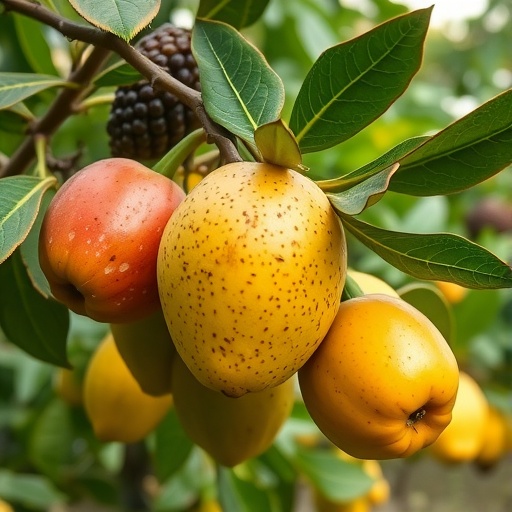
In the verdant embrace of India’s Sub-Himalayan region lies a treasure trove of biodiversity, where the fusion of unique climatic conditions and rich soil fosters the growth of extraordinary flora. Among these, exotic fruit crops have emerged as a beacon of opportunity for both local economies and global agriculture. The recent study conducted by a team of researchers, including Kochithara, Sharma, and Banyal, sheds light on the untapped potential of these crops in enhancing food security, economic resilience, and nutritional diversity in this picturesque landscape.
The Sub-Himalayan belt, with its moderate temperatures and ample rainfall, provides an ideal environment for the cultivation of exotic fruits. From the luscious mangosteen to the vibrant rambutan, the array of fruits that could thrive in this region is staggering. These species not only boast unique flavors and appearances but also contribute significantly to the nutritional profiles of local diets. The exploration of their cultivation techniques presents a fascinating intersection of tradition and innovation.
Understanding the specific climatic requirements and soil conditions needed for various exotic fruit crops is crucial for successful cultivation. Researchers have identified several species that can thrive in the region’s diverse microclimates. For example, fruits like dragon fruit and passionfruit require specific temperature ranges to flourish, while others, such as guava and pomegranate, show remarkable adaptability. This adaptability is particularly vital in the context of climate change, where resilience becomes essential for enduring shifts in environmental conditions.
The study not only focuses on the phenotypic adaptability of these crops but also dives deep into the agronomic practices that can facilitate their growth. The adoption of sustainable farming techniques is emphasized, highlighting how organic methods, such as composting and natural pest management, can enhance soil health and yield. The researchers advocate for a holistic approach that integrates traditional knowledge with contemporary agricultural science, offering a pathway for farmers to increase productivity while preserving the ecosystem.
Economic implications are a significant facet of this research, as the introduction of exotic fruit crops could bolster the income of local farmers. Currently, many farmers rely heavily on a limited range of traditional crops, which makes them vulnerable to market fluctuations and climate variability. Exotic fruits, with their rising demand in urban centers and international markets, present a lucrative alternative. This diversification can serve as a protective shield against economic instability, providing farmers with the flexibility to adapt to changing market conditions.
Nutritional enhancement through the introduction of exotic fruits is another pivotal theme in the study. In many areas of the Sub-Himalayan region, malnutrition and dietary deficiencies remain pressing issues. By incorporating nutrient-dense exotic fruits into the local diet, there lies the potential to combat these challenges. Fruits such as acerola cherry, known for its high vitamin C content, and jackfruit, a excellent source of fiber and minerals, can significantly contribute to improved public health outcomes.
Furthermore, the researchers have emphasized the role of local communities in this transformation. Engaging local knowledge and practices in the cultivation of exotic fruit crops not only ensures sustainability but also fosters community empowerment. By involving farmers in the decision-making process and incorporating their insights into cultivation methods, a sense of ownership and responsibility can be cultivated, further anchoring the sustainability of the initiative.
As with any agricultural endeavor, the path forward is not without its challenges. From pest management to marketing, the introduction of new crops requires addressing a myriad of issues to ensure their viability. However, the researchers are optimistic that with adequate support from both governmental and non-governmental organizations, these challenges can be surmounted. Training programs and resource-sharing initiatives are critical in equipping farmers with the necessary skills and knowledge to successfully navigate this new agricultural landscape.
In conclusion, the exploration of exotic fruit crops in India’s Sub-Himalayan region presents an exciting opportunity for enhancing agricultural diversity, improving food security, and supporting local economies. The synergistic relationship between traditional practices and modern agricultural science can pave the way for a sustainable future. As the study underscores, by tapping into this rich biodiversity, we can unlock new avenues for growth that not only benefit farmers but also contribute to the broader goals of nutrition and health.
The potential of these exotic fruits is immense. With thoughtful planning and cooperative efforts, the agricultural landscape of the Sub-Himalayan region could evolve into a thriving hub for exotic fruit cultivation. As this project unfolds, it is hoped that it will inspire similar initiatives in other regions facing analogous challenges, highlighting the universal relevance of biodiversity and sustainability in our global food systems.
Let us embrace the potential of exotic fruit crops and work towards a future where agriculture is diverse, resilient, and truly reflective of our global heritage.
Kochithara, E.J., Sharma, S.K., Banyal, S.K. et al. Exploring the potential of exotic fruit crops in India’s Sub-Himalayan region.
Discov. Plants 2, 336 (2025). https://doi.org/10.1007/s44372-025-00433-8
Cite Scienmag News
Alan Morgan. (November 27, 2025). Unlocking Exotic Fruit Cultivation in Sub-Himalaya. Scienmag. https://scienmag.com/unlocking-exotic-fruit-cultivation-in-sub-himalaya/
Alan Morgan. "Unlocking Exotic Fruit Cultivation in Sub-Himalaya." Scienmag, 27 November 2025, https://scienmag.com/unlocking-exotic-fruit-cultivation-in-sub-himalaya/. Accessed 7 September 2026.
Alan Morgan. "Unlocking Exotic Fruit Cultivation in Sub-Himalaya." Scienmag. November 27, 2025. https://scienmag.com/unlocking-exotic-fruit-cultivation-in-sub-himalaya/


