

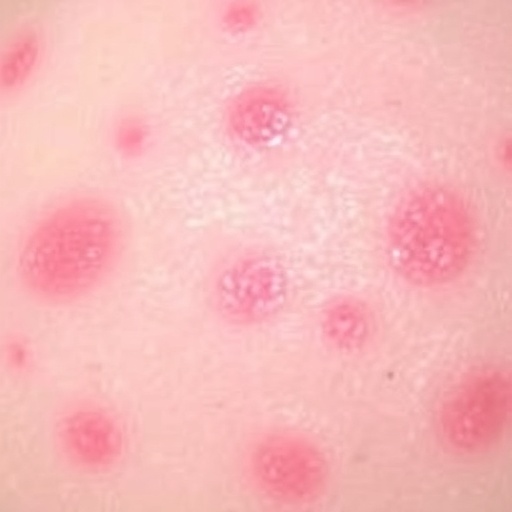
Rituximab, an effective monoclonal antibody targeting CD20-positive B-cells, is widely utilized in the treatment of various autoimmune disorders, including pemphigus, a group of chronic blistering skin diseases. Pemphigus is characterized by the presence of autoantibodies directed against desmosomal proteins, leading to acantholysis and subsequent skin lesions. Despite the efficacy of rituximab in controlling disease activity in patients with pemphigus, recent studies have revealed the occurrence of paradoxical reactions. These unexpected responses have raised questions regarding the complex mechanisms underlying autoimmune therapies and their effects on the immune system.
A systematic review has reported a surprising finding: some patients treated with rituximab for pemphigus experienced exacerbation of their condition rather than improvement. This paradoxical reaction presents a significant challenge for clinicians, who must balance the benefits of rituximab therapy with the potential for these adverse events. In a comprehensive review involving 63 patients, researchers meticulously analyzed the variables associated with these paradoxical outcomes, aiming to delineate risk factors and provide guidance in clinical decision-making.
Immune checkpoint modulation and the unique actions of biologic therapies complicate the presented clinical picture. Paradoxical responses may stem from a renewed immune reaction as rituximab decreases B-cell populations, potentially activating residual B-cells or T-cells that can lead to exacerbations of autoimmunity. Understanding the immunological backdrop of these reactions may provide insights into the pathophysiology of pemphigus itself, challenging conventional understanding and paving the way for novel therapeutic approaches.
The findings from the systematic review highlighted a range of clinical manifestations associated with rituximab-induced paradoxical reactions. In some instances, patients reported increased blister formation, while others experienced new lesions at sites previously unaffected by pemphigus. The variability in responses underscores the need for clinicians to remain vigilant when initiating rituximab therapy, tailoring each treatment plan to the individual patient’s history and response patterns.
Furthermore, this review raised questions regarding the timing of the paradoxical reactions post-rituximab administration, with some patients exhibiting symptoms soon after treatment initiation, while others experienced delayed onset. This temporal aspect of reactions is critical for understanding patient management and the long-term implications of monoclonal antibody therapy in autoimmune diseases.
Moreover, it is crucial to consider the genetic and environmental factors that might influence individual responses to rituximab. Future investigations should aim to identify biomarkers that could predict those at risk for adverse effects, allowing healthcare practitioners to make more informed decisions when selecting patients for rituximab therapy. Collaborative efforts between dermatologists, immunologists, and pharmacologists may enhance understanding and lead to refined treatment protocols.
As more data emerges regarding the paradoxical reactions to rituximab, there is hope for advancing treatment strategies for pemphigus. Clinicians are reminded of the importance of patient education, encouraging open communication about potential side effects and the necessity for close monitoring during treatment. With a better understanding of rituximab’s effects on the immune system, the goal remains to optimize therapeutic outcomes while minimizing adverse events.
The systematic review serves as a pivotal reference point for ongoing research in the field of autoimmune dermatology. By elucidating the paradoxical nature of certain reactions to rituximab, researchers are invited to delve deeper into the intricate interplay between therapy and immune dysregulation, fostering an environment where patient care continuously evolves based on scientific discovery. The findings may represent just the tip of the iceberg, stimulating further inquiry into the immunological mechanisms involved in autoimmune disorders.
Despite the complexities highlighted by the systematic review, it is essential to recognize the transformative nature of rituximab in the management of pemphigus. The drug continues to be an integral component of treatment regimens, offering hope to countless patients who struggle with the debilitating effects of this disease. As the field progresses, the challenge remains to harness the benefits of this powerful therapy while safeguarding against potentially life-altering complications.
In conclusion, the paradoxical reactions to rituximab in pemphigus patients underscore the need for a nuanced understanding of autoimmune therapies. Researchers and clinicians alike are charged with the responsibility of further exploring the underlying mechanisms and refining treatment strategies. As we advance our knowledge, it becomes increasingly vital to prioritize patient safety and outcome optimization, ensuring that therapies like rituximab continue to provide relief without unintended consequences.
The recent systematic review highlights an urgent need for vigilance and further research in pemphigus treatment. The findings echo throughout the dermatological community, igniting discussions on treatment modalities and the potential for personalized medicine in treating autoimmune conditions. As science continues to evolve, so too must our approach, ensuring that patient care remains at the forefront of therapeutic innovation.
As we look to the future, embracing multifaceted approaches that meld clinical practice with cutting-edge research may well yield the solutions needed to address these complex challenges in the management of pemphigus and beyond.
Subject of Research: Paradoxical reactions to rituximab in pemphigus patients
Article Title: Paradoxical reaction to rituximab in patients with pemphigus: a systematic review of 63 patients.
Article References:
Vahabi, S.M., Pourgholi, E., Ansari, M.S. et al. Paradoxical reaction to rituximab in patients with pemphigus: a systematic review of 63 patients.
Arch Dermatol Res 318, 49 (2026). https://doi.org/10.1007/s00403-025-04515-1
Image Credits: AI Generated
DOI: 10.1007/s00403-025-04515-1
Keywords: pemphigus, rituximab, paradoxical reactions, autoimmune disorders, treatment challenges, immune response, systematic review.


