


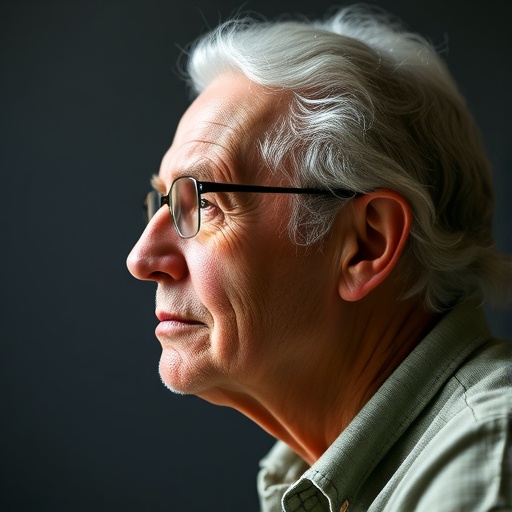
In a groundbreaking study set to revolutionize our understanding of aging, researchers have delved into the subtleties of what constitutes successful aging. The study, conducted by Knapik, Szefler-Derela, Wasiuk-Zowada, and their colleagues, meticulously examines the subjective perceptions of success in aging and identifies key determinants that influence these perceptions. This exploration holds significant implications for both gerontology and societal approaches to the elderly, aiming to foster environments that promote positive aging experiences.
The crux of the research revolves around the subjective model of successful aging. This model posits that successful aging is not defined merely by biological factors or the absence of disease but is largely influenced by personal perceptions and societal attitudes. By adopting a cross-sectional study approach, the researchers were able to gather insights from a diverse range of participants, allowing for a comprehensive understanding of aging from various perspectives.
The methodology employed in this study is noteworthy for its rigor and depth. Participants were recruited through structured interviews and questionnaires designed to elicit their views on what successful aging means to them. This qualitative approach enabled the researchers to uncover nuanced definitions of aging success that go beyond traditional metrics such as longevity or physical health. Insights from this qualitative data highlight that personal satisfaction, social engagement, and mental well-being are core components of how aging is perceived.
One fascinating aspect of the findings is the role of social relationships in shaping perceptions of successful aging. Participants expressed that maintaining strong family ties and friendships significantly contributes to their sense of fulfillment as they age. The qualitative data suggests that emotional support and companionship not only enhance the enjoyment of life but also foster a sense of belonging and purpose. These insights challenge older assumptions that physical health is the sole determinant of aging success, emphasizing the importance of social contexts.
Additionally, the study sheds light on the impact of individual life experiences and personal history on aging perceptions. Many participants articulated that their pasts — including how they coped with adversity and their life achievements — heavily influenced their current views on aging. The findings suggest that a positive interpretation of one’s life narrative can enhance feelings of success in aging, indicating that personal agency and resilience play crucial roles in this subjective experience.
Moreover, the researchers discussed how cultural factors might shape the subjective model of successful aging. Different cultures have varied beliefs and values concerning aging, which can affect how individuals perceive their own aging process. Insights gleaned from this study underscore the necessity of contextualizing aging discussions within cultural frameworks to address the diverse experiences of aging populations worldwide.
The study’s implications extend into policy-making and healthcare practices, urging stakeholders to recognize the importance of subjective well-being in aging. As the population ages globally, integrating strategies that promote mental health and social connectedness becomes paramount. Proactive measures that foster active aging and community engagement could potentially reshape the aging experience, leading to higher quality of life and decreased feelings of isolation among older adults.
Furthermore, the findings highlight the need for intergenerational programs that foster understanding and cohesion between age groups. Programs that encourage interactions between young people and the elderly can promote mutual respect, understanding, and shared experiences, ultimately benefiting both groups and enriching societal views on aging. This interconnection is vital to dismantling ageist attitudes that may exist and cultivating a more inclusive understanding of what it means to age successfully.
The research also points towards an increasing desire among older adults to remain active participants in society, thereby suggesting a paradigm shift in how we approach aging. The traditional view of older people as passive recipients of care is being challenged, with many expressing a wish to contribute meaningfully to their communities. This aspect of the findings suggests that empowering older adults by providing opportunities for engagement — whether through volunteering, mentoring, or community service — can enhance their subjective experience of aging successfully.
In conclusion, this study serves as a critical reminder that successful aging is a complex interplay of individual, social, and cultural factors. By understanding these dynamics, society can begin to reshape its approach to aging, prioritizing emotional well-being, social connections, and a positive self-image as integral to the aging process. As the dialogue around aging evolves, it becomes essential to consider not only the physical aspects of growing older but also to embrace the multifaceted nature of the subjective experience involved.
As we move forward with this newfound understanding, it is imperative that further research focuses on developing frameworks that facilitate successful aging across diverse populations, paving the way for more nuanced healthcare solutions and policies that address the holistic needs of aging individuals. The journey to successful aging is indeed a shared responsibility, one that encompasses not only the aging individuals themselves but also families, communities, and societies at large.
Cite Scienmag News
Beatrice Stafford. (January 17, 2026). Understanding Successful Aging: Key Determinants Revealed. Scienmag. https://scienmag.com/understanding-successful-aging-key-determinants-revealed/
Beatrice Stafford. "Understanding Successful Aging: Key Determinants Revealed." Scienmag, 17 January 2026, https://scienmag.com/understanding-successful-aging-key-determinants-revealed/. Accessed 3 September 2026.
Beatrice Stafford. "Understanding Successful Aging: Key Determinants Revealed." Scienmag. January 17, 2026. https://scienmag.com/understanding-successful-aging-key-determinants-revealed/


