


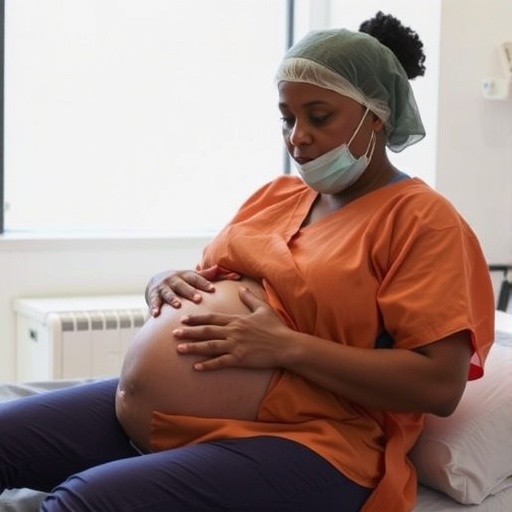
In the ever-evolving landscape of healthcare, understanding patient experience, particularly in critical scenarios like emergency caesarean sections, has transcended from a mere interest to a necessity. A new qualitative study has shed light on the perspectives of health workers in hospitals located in Makassar City, Indonesia, elucidating factors that significantly influence patient experience during these urgent medical interventions. The findings reveal a mix of challenges and insights, emphasizing the importance of both systemic and personal factors in shaping the journey of patients undergoing emergency procedures.
Emergency caesarean sections represent a significant aspect of maternal healthcare, especially in regions where women’s health services may be limited. In Makassar, healthcare professionals have reported various barriers that impact response times during these critical moments. These barriers range from infrastructural issues such as inadequate facilities and staffing shortages to interpersonal dynamics that affect communication between health workers and patients. The personal anecdotes shared by the health workers emphasized the emotional weight carried during these high-stakes situations.
One of the prominent themes emerging from the study is the issue of preparedness among health workers. Many professionals underscored that not feeling adequately prepared for an emergency can lead to delays, further jeopardizing patient safety. This sense of unpreparedness often stems from inconsistent training and differences in experience levels among staff. The need for standardized training programs emerged as a crucial recommendation for improving response times and, by extension, patient outcomes.
Furthermore, the study highlighted the critical role that teamwork plays during emergencies, particularly in caesarean sections. Health workers in the field recognize that seamless collaboration can significantly expedite response times. However, existing hierarchies within medical teams can lead to communication breakdowns, ultimately affecting the efficiency of care provided. Observations suggested that fostering an environment where all voices are valued could enhance collaborative efforts during urgent scenarios, directly benefiting patients.
Patient experience is not solely shaped by the clinical aspects of care; the emotional and psychological dimensions play an equally vital role. Health workers revealed that patients’ anxiety levels can increase during emergency situations, influencing their overall experience. Addressing the emotional needs of patients—through effective communication and providing assurance—was recognized as a fundamental aspect of care that requires constant attention from health practitioners.
In examining systemic factors, the study found that policies concerning patient flow and resource allocation significantly impact response times for emergency caesarean sections. Health workers indicated that better resource management and strategic policy implementation are critical for reducing delays during emergencies. Effective protocols that prioritize rapid access to necessary medical resources can empower health teams to act quickly and decisively, thereby enhancing patient safety.
The physical environment of hospitals also emerged as a significant concern for health workers. Many pointed out that inadequate infrastructure in facilities often hinders swift action during emergencies. Insufficient operating rooms, poor accessibility, and lack of essential medical equipment were cited as barriers that not only lead to increased response times but also contribute to negative patient experiences. Upgrading hospital infrastructure should be considered an ongoing priority to ensure that healthcare settings can meet the demands of emergency situations.
As health systems worldwide grapple with the complexities of patient care, the insights from Makassar serve as a poignant reminder of the unique challenges faced by healthcare providers in lower-resource settings. The call for targeted investments in both human and infrastructural resources is crucial for improving patient experiences in urgent scenarios. By prioritizing improvements in these areas, healthcare systems can foster a stronger foundation for emergency care.
Training healthcare workers effectively is paramount. The incorporation of simulation-based training into the curriculum of medical professionals could bridge the gap between theory and practice, especially regarding emergency care. These simulations can help staff practice critical decision-making and communication under pressure, which are key components of effective emergency care delivery.
In addition to training, fostering a culture of continuous improvement through feedback loops can enhance the adaptability of health workers in the face of evolving challenges. Engaging healthcare providers in discussions about their experiences and suggestions can lead to measurable changes in protocols and practices, ultimately benefiting patient outcomes.
The emotional toll of working in emergency care is often overlooked. Health workers frequently experience stress and burnout due to the intensity of their roles. Addressing their mental health needs is vital, as a supported and resilient workforce is better positioned to provide compassionate care to patients facing emergencies.
While the study from Makassar has illuminated the complexities of patient experience during emergency caesarean sections, it simultaneously opens up a dialogue on broader systemic issues that influence healthcare delivery in various contexts. By recognizing the interconnectedness of training, teamwork, infrastructure, and emotional well-being, healthcare systems can begin to build a framework that not only enhances patient experience but also supports the professionals dedicated to providing that care.
The implications of this research extend beyond the confines of one city in Indonesia; they resonate with health systems globally. Addressing the challenges identified will require a concerted effort from policymakers, healthcare leaders, and providers alike to forge a more effective, responsive system that places patient experience at the forefront of emergency healthcare. The future of maternal health hinges on the ability to learn from these insights and implement changes that will benefit patients, health workers, and the broader community.
Cite Scienmag News
Ophelia Keating. (October 3, 2025). Understanding Emergency Caesarean Response: Health Workers’ Insights. Scienmag. https://scienmag.com/understanding-emergency-caesarean-response-health-workers-insights/
Ophelia Keating. "Understanding Emergency Caesarean Response: Health Workers’ Insights." Scienmag, 3 October 2025, https://scienmag.com/understanding-emergency-caesarean-response-health-workers-insights/. Accessed 5 September 2026.
Ophelia Keating. "Understanding Emergency Caesarean Response: Health Workers’ Insights." Scienmag. October 3, 2025. https://scienmag.com/understanding-emergency-caesarean-response-health-workers-insights/


