


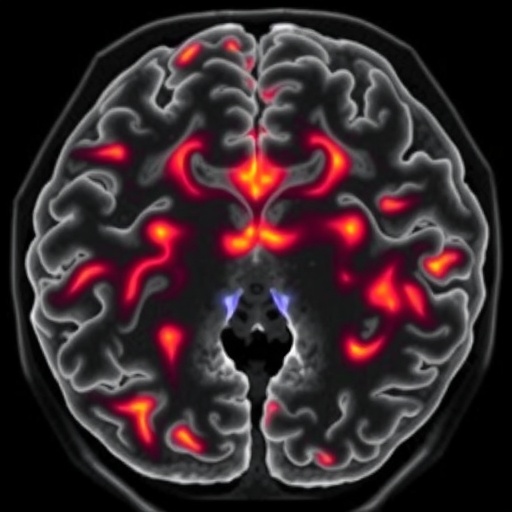
In the ever-evolving landscape of neuro-oncology, a groundbreaking study has surfaced that addresses a rare and complex condition known as diffuse leptomeningeal glioneuronal tumor (DLGMT). This research, conducted by a team of esteemed scientists including Sah, Khan, and Charan, is poised to amplify our understanding of this elusive tumor type, particularly in pediatric populations. The findings, published in the journal Pediatric Radiology, shed light on essential clinical, radiological, and pathological aspects that could significantly shape future treatment paradigms.
Diffuse leptomeningeal glioneuronal tumors are a unique category of tumors that often present diagnostic challenges due to their indistinct characteristics and varied clinical manifestations. These tumors arise from glioneuronal cells in the leptomeninges, a delicate membrane that envelops the brain and spinal cord. The complexity of these tumors is compounded by their often diffuse nature, which can make isolation and removal exceedingly difficult, contributing to treatment resistance and poor prognoses. The current study aims at encapsulating the multifaceted dimensions of DLGMT, providing critical insights into their behavior, incidence, and impact on patient quality of life.
One of the standout features of this research is its comprehensive approach to patient assessment. By utilizing advanced imaging techniques, including MRI and CT scans, the authors present intricate details that allow for a keen differentiation between DLGMT and other similar entities. The radiological presentation of these tumors is not only pivotal for initial diagnosis but also for ongoing management strategies. As radiologists and clinicians continue to refine their diagnostic frameworks, the novel imaging characteristics highlighted in this study could serve as a guide, minimizing the likelihood of misdiagnosis.
Moreover, the study delves into the clinical symptoms associated with DLGMT, which can often mimic those of other neurological disorders. The spectrum of manifestations may include seizures, headaches, and neurological deficits, fostering a misinterpretation of the underlying pathology. The authors emphasize the importance of a multidisciplinary approach, advocating for collaboration among neurologists, oncologists, and radiologists to enhance diagnostic accuracy and optimize patient outcomes. This holistic view aligns with contemporary care models that prioritize integrated healthcare delivery systems.
Pathological examination remains a cornerstone of cancer diagnosis, and DLGMT is no exception. As elucidated in this research, histological features play a crucial role in confirming the diagnosis of these tumors. The authors present a detailed discussion on the various cellular components that characterize DLGMT, emphasizing the peculiarities that set these tumors apart from conventional glial and neuronal tumors. This thorough analysis not only enriches the literature but also serves as an invaluable resource for pathologists and researchers aiming to deepen their understanding of tumor biology.
The discussion on treatment strategies for DLGMT is particularly striking, as it highlights the limitations of traditional therapeutic modalities often employed for brain tumors. Given the tumor’s diffuse infiltration of neural structures, surgical resection can prove highly ineffective. As a result, the team explores alternative treatment options, including targeted therapies and combined modalities that may offer better outcomes. This dialogue is timely, as the field of pediatric oncology moves toward personalized medicine, and understanding the genetic and molecular underpinnings of these tumors may unlock new therapeutic avenues.
An essential aspect of the research is its focus on long-term patient monitoring and quality of life. As these tumors are rare, data on long-term outcomes remain scarce. However, the authors underscore the need for increased vigilance in follow-up care, recognizing that patients may experience unique challenges related to the tumor’s persistence or recurrence. Through a better grasp of the psychosocial dimensions that accompany a DLGMT diagnosis, healthcare providers can better support affected families, guiding them through the complexities of treatment and survivorship.
In conclusion, the team behind this research has effectively illuminated the intricate world of diffuse leptomeningeal glioneuronal tumors, filling significant gaps in the existing literature. From advanced imaging techniques to innovative treatment options, the implications of their findings are profound and far-reaching. As the scientific community continues to grapple with the nuances of pediatric neuro-oncology, studies like this serve as critical stepping stones toward improved patient outcomes and a deeper understanding of rare brain tumors.
Importantly, the publication, set to appear in Pediatric Radiology, not only contributes to the academic field but also aims to generate awareness among practitioners about the clinical significance of recognizing and understanding diffuse leptomeningeal glioneuronal tumors. Enhanced awareness may lead to earlier diagnosis, thereby improving prognostic outcomes for affected children and their families.
Ultimately, this research serves as a clarion call to the medical community, urging concerted efforts in the pursuit of knowledge surrounding DLGMTs. The tireless contributions of Sah, Khan, Charan, and their collaborators symbolize a commitment to unraveling the complexities of neuro-oncology, paving the way for future breakthroughs that may redefine how we approach these enigmatic tumors.
As we move forward into an era of advanced medical technologies and personalized treatment strategies, the insights gleaned from this study are not just academic—they are a beacon of hope for families navigating the challenging waters of pediatric brain tumors. Continuous dedication to research and clinical excellence is essential, and the implications of these findings will undoubtedly resonate across various facets of pediatric care.
Sah, M., khan, A., Charan, B. et al. Diffuse leptomeningeal glioneuronal tumor.
Pediatr Radiol (2025). https://doi.org/10.1007/s00247-025-06438-5
Cite Scienmag News
Nathaniel Bowman. (October 25, 2025). Understanding Diffuse Leptomeningeal Glioneuronal Tumors. Scienmag. https://scienmag.com/understanding-diffuse-leptomeningeal-glioneuronal-tumors/
Nathaniel Bowman. "Understanding Diffuse Leptomeningeal Glioneuronal Tumors." Scienmag, 25 October 2025, https://scienmag.com/understanding-diffuse-leptomeningeal-glioneuronal-tumors/. Accessed 3 September 2026.
Nathaniel Bowman. "Understanding Diffuse Leptomeningeal Glioneuronal Tumors." Scienmag. October 25, 2025. https://scienmag.com/understanding-diffuse-leptomeningeal-glioneuronal-tumors/


