

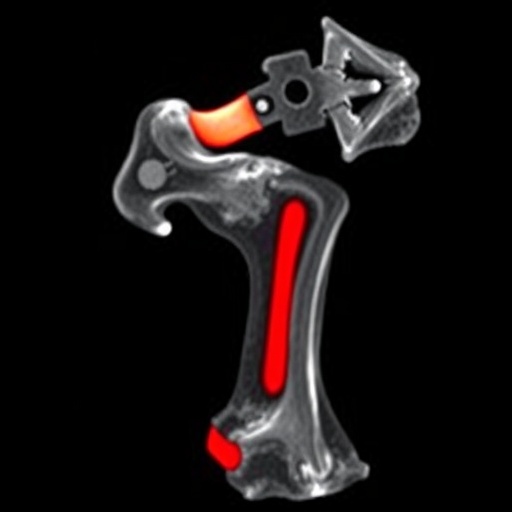
Chronic nonbacterial osteitis, a less frequently diagnosed condition, has garnered heightened attention in recent years among pediatric radiologists and clinicians. This condition is characterized by persistent bone inflammation that occurs without any identifiable bacterial infection. The management of such cases often necessitates a combination of thorough clinical evaluation and advanced imaging techniques, which allow healthcare professionals to visualize the unique manifestations of this condition. An emerging study provides a comprehensive pictorial review that could serve as a critical resource for identifying atypical imaging presentations in pediatric cases.
The work of Viana and Machado delves into the various imaging presentations associated with chronic nonbacterial osteitis in children, emphasizing the importance of recognizing these atypical profiles. By employing a multi-faceted imaging approach, the authors aim to equip clinicians with the visual tools they need to make accurate diagnoses, thereby paving the way for more effective management strategies. This study serves not only as a reflection of their analytical prowess but also highlights a significant gap in the literature regarding this rare condition.
Radiological imaging plays a pivotal role in diagnosing chronic nonbacterial osteitis, given the subtle and varied manifestations that can appear on traditional X-rays, MRI, or CT scans. There is often a lack of consensus among healthcare providers on how to interpret these images, especially when they deviate from standard presentations. The authors of this study have meticulously cataloged a range of atypical imaging appearances, presenting them as a visual guide to assist in the differentiation of chronic nonbacterial osteitis from other similar orthopedic conditions.
It is crucial to differentiate chronic nonbacterial osteitis from other disorders that cause bone inflammation, such as infectious osteomyelitis or autoimmune conditions. Misdiagnosis can lead to unnecessary treatments or a delay in appropriate management. The pictorial review indicates that while classic presentations are important to recognize, the atypical forms should also not be overlooked, as they can sometimes constitute the initial clinical evidence of the disease. By raising awareness of these variants, the authors hope to facilitate quicker and more accurate clinical decision-making.
The article’s contribution is particularly valuable as it provides a visual language that complements the descriptive characteristics of various imaging modalities. The authors argue that understanding these atypical presentations can dramatically reduce diagnostic errors and enhance patient outcomes. This is particularly pertinent in pediatrics, where prompt diagnosis and appropriate intervention can alter the trajectory of the disease process.
Moreover, the significance of this study extends beyond diagnostic imaging. It underscores the necessity for ongoing education and training among healthcare providers dealing with pediatric bone disorders. Familiarizing oneself with uncommon imaging findings fosters a more comprehensive understanding of patient health, guiding appropriate therapy. As a result, awareness of chronic nonbacterial osteitis must be a priority in training curricula for future healthcare professionals working in pediatric radiology.
In summary, the work authored by Viana and Machado is a testament to the evolving landscape of pediatric radiology and diagnostics. By focusing on the atypical presentations of chronic nonbacterial osteitis, the authors have not only created a robust resource for clinicians but have also ignited discussions around the importance of nuanced imaging interpretation. This emphasis on detail and specificity in medical imaging serves as a reminder of the complexities involved in the human body and its responses to various conditions.
The implications of the findings presented in this article are far-reaching, not only enhancing diagnostic accuracy but also potentially influencing treatment protocols for affected children. As chronic nonbacterial osteitis continues to be a subject of research and clinical interest, the hope is that continued dialogue and study will further illuminate this condition, ideally leading to better preventive strategies and therapeutic approaches in pediatric medicine.
Healthcare professionals and educators alike are encouraged to integrate these learnings into their practice, maintaining a focus on the unique presentations of conditions like chronic nonbacterial osteitis. Greater awareness can serve to bridge the gap in knowledge and diagnostic challenge presented by less common pediatric conditions, ensuring that every child receives optimal care tailored to their individual health needs.
A thorough literature review, alongside practical imaging insights, can greatly enrich pediatric care practices. As the medical community moves forward, embracing the knowledge encapsulated in such studies will undoubtedly enhance both clinical outcomes and the quality of pediatric healthcare as a whole. The future of pediatric diagnostic imaging holds considerable promise as researchers and practitioners continue to collaborate in the quest for excellence in patient care.
In conclusion, the community of healthcare providers must remain vigilant and responsive to the ever-evolving challenges presented by complex conditions like chronic nonbacterial osteitis. Comprehensive studies such as that of Viana and Machado not only shine a light on the multifaceted nature of pediatric pathologies but also reaffirm the integral role of innovative imaging practices in modern medicine.
Subject of Research: Atypical and less-common imaging presentations of chronic nonbacterial osteitis in children.
Article Title: Atypical and less-common imaging presentations of chronic nonbacterial osteitis in children: a pictorial review.
Article References:
Viana, S., Machado, B. Atypical and less-common imaging presentations of chronic nonbacterial osteitis in children: a pictorial review.
Pediatr Radiol (2026). https://doi.org/10.1007/s00247-026-06517-1
Image Credits: AI Generated
DOI: 10.1007/s00247-026-06517-1
Keywords: chronic nonbacterial osteitis, pediatric radiology, imaging modalities, diagnosis, bone inflammation


