


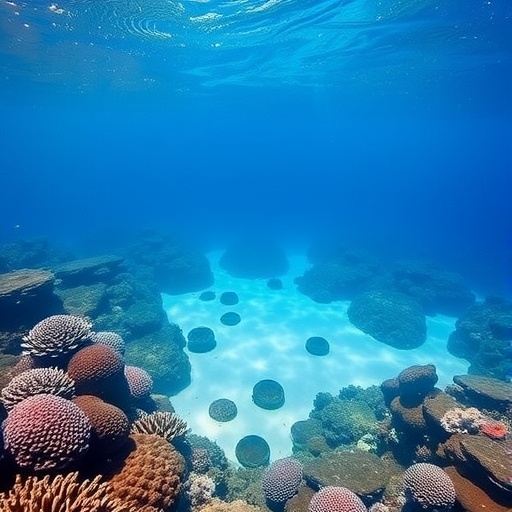
Coral reefs are essential underwater ecosystems that support a diverse array of marine life, providing both ecological and economic benefits. However, their vulnerability to various anthropogenic activities has become a growing concern among environmental scientists and marine ecologists. A recent study conducted by Casali and Miller sheds light on the impact of dredging activities associated with the Port of Miami Expansion on the turbidity levels in surrounding coral reef habitats. This research emphasizes the urgent need to understand and mitigate the effects of such activities on sensitive marine environments.
Dredging operations are typically undertaken to deepen or widen shipping channels, facilitating larger vessels and increased maritime traffic. While this may enhance economic opportunities for the region, the implications for marine life are far-reaching. The process of dredging entails the removal of sediment from the seafloor, which can result in the resuspension of fine particles and an increase in turbidity—a phenomenon characterized by the cloudiness of water due to suspended solids. This turbidity can significantly impede photosynthesis in corals and aquatic plants, affecting the overall health of the reef ecosystem.
In their investigation, Casali and Miller meticulously monitored turbidity levels in and around coral reef habitats during the dredging activities. By deploying state-of-the-art turbidity monitoring equipment, the researchers were able to measure variations in water clarity in real-time. The findings indicated a marked increase in turbidity levels coinciding with the dredging, providing compelling evidence of the profound impact that such operations can have on coral ecosystems. This increase in turbidity not only limits light penetration but can also affect the feeding habits and reproductive success of various marine organisms.
The implications of heightened turbidity extend beyond the immediate vicinity of the dredging site. The study suggests that sediments resuspended during dredging can be carried by currents, impacting coral reefs located considerably away from the direct area of activity. This expansive influence underscores the interconnected nature of marine ecosystems, where disturbances in one area can reverberate throughout a wider ecological context. The role of ocean currents in this process highlights the vital importance of considering hydrodynamics when assessing the environmental impact of dredging.
Moreover, the study brought to light the potential long-term consequences of elevated turbidity levels. Coral reefs are already under significant stress due to climate change, overfishing, and pollution, and the added pressure of dredging-induced turbidity could exacerbate these challenges. Chronic exposure to high turbidity levels can lead to diminished coral cover, reduced biodiversity, and compromised ecosystem resilience. This raises critical questions about the sustainability of maritime activities in ecologically sensitive areas and calls for a reevaluation of current dredging practices.
The research also underscores the necessity for effective management strategies aimed at minimizing the environmental footprint of dredging operations. Environmental impact assessments prior to such projects must incorporate robust monitoring protocols for turbidity and other related metrics. By implementing best management practices, such as utilizing turbidity curtains or limiting dredging during sensitive periods for marine life, the adverse effects can be significantly mitigated. It is essential for policymakers and stakeholders to prioritize the health of marine ecosystems in their decision-making processes, considering both economic development and ecological integrity.
Furthermore, public awareness and community engagement play critical roles in safeguarding coral reefs from the effects of dredging. Educating local communities about the importance of coral ecosystems and the potential impacts of industrial activities can foster a culture of stewardship. Collaborative efforts between policymakers, environmental organizations, and local stakeholders are paramount to ensure that the environmental costs of economic development are adequately addressed.
In addition to the ecological ramifications, the socio-economic aspects of coral reef degradation cannot be overlooked. Healthy coral reef systems contribute to tourism, fisheries, and coastal protection, providing livelihoods for countless individuals and communities. The potential decline in reef health threatens not only biodiversity but also the economic stability of regions reliant on these ecosystems. Balancing development needs with ecological preservation is a complex challenge that necessitates interdisciplinary approaches and innovative solutions.
In conclusion, the investigation by Casali and Miller brings to the forefront the urgent need to consider the ramifications of dredging on turbidity levels in coral reef habitats. The findings serve as a wake-up call for stakeholders engaged in maritime industry expansion, prompting a reevaluation of practices to ensure the protection of fragile marine ecosystems. As scientists continue to uncover the intricate relationships within coral reef ecosystems, these insights will be vital for informing future conservation efforts and promoting sustainable development practices.
To protect our oceans and ensure the longevity of coral reefs, comprehensive policies integrating scientific findings and stakeholder interests must be established. The time for action is now, as the health of coral reefs is not just an environmental issue; it is a global concern that warrants our immediate attention and concerted efforts.
Casali, S.L., Miller, M.W. Turbidity in coral reef habitats during Port of Miami Expansion dredging. Environ Monit Assess 197, 1255 (2025). https://doi.org/10.1007/s10661-025-14590-6
Cite Scienmag News
Violet Maxwell. (October 25, 2025). Turbidity Rise in Coral Reefs from Miami Dredging. Scienmag. https://scienmag.com/turbidity-rise-in-coral-reefs-from-miami-dredging/
Violet Maxwell. "Turbidity Rise in Coral Reefs from Miami Dredging." Scienmag, 25 October 2025, https://scienmag.com/turbidity-rise-in-coral-reefs-from-miami-dredging/. Accessed 5 September 2026.
Violet Maxwell. "Turbidity Rise in Coral Reefs from Miami Dredging." Scienmag. October 25, 2025. https://scienmag.com/turbidity-rise-in-coral-reefs-from-miami-dredging/


