


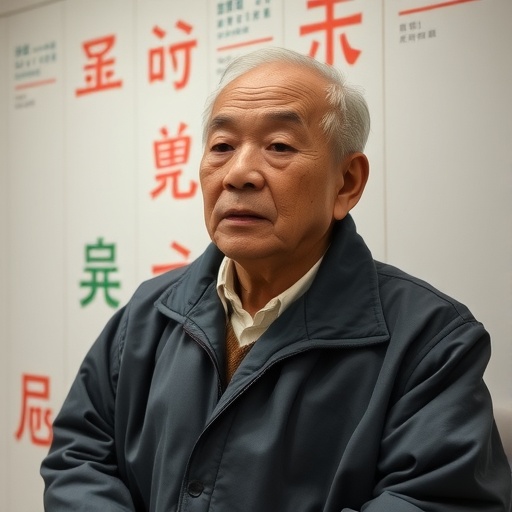
In a groundbreaking retrospective study published recently in BMC Geriatrics, researchers Yu, Xian, Yang, and colleagues delve deeply into the shifting epidemiological landscape of tuberculosis (TB) within the aging populations of Southwest China. This comprehensive research sheds new light on temporal trends of TB incidence, offering crucial insights into how demographic changes interact with infectious disease dynamics in one of the most populous regions grappling with an aging demographic shift.
Tuberculosis, historically a devastating infectious disease primarily impacting younger and economically active populations, has increasingly become a concern among older adults globally. This change is consequential, as aging populations possess distinct immunological vulnerabilities and comorbid conditions that can exacerbate TB’s progression and complicate treatment. Southwest China represents a unique case study due to its rapidly aging society and varied socioeconomic factors, making the researchers’ approach not only regionally critical but also globally relevant.
At the core of the study was a meticulous retrospective analysis spanning several decades, designed to trace the incidence and distribution of TB among senior citizens. Utilizing region-specific data registries and health surveillance systems, the research team was able to identify patterns and risk factors unique to this aging demographic. This enabled a more nuanced understanding of how TB incidence correlates with age-related immune decline, lifestyle changes, and healthcare accessibility within this heterogenous population.
The study reveals a discernible increase in TB incidence rates among the elderly population over the analyzed period. This uptick contrasts with reductions seen in younger cohorts, pointing to a demographic transition in disease burden. The findings underscore the importance of age-specific public health strategies, illustrating that conventional TB control programs may require significant adaptation to effectively address the needs of older adults whose clinical presentations and treatment responses can differ profoundly from younger individuals.
Immunosenescence, the gradual deterioration of the immune system associated with aging, emerges as a central factor influencing these trends. The diminished capacity to mount effective immune responses makes older adults more susceptible not only to new infections but also to the reactivation of latent TB infections acquired earlier in life. The study highlights the critical interplay between these immunological changes and environmental factors prevalent in Southwest China, such as urbanization and evolving healthcare infrastructure.
Moreover, comorbidities typical in aged populations, including diabetes, chronic obstructive pulmonary disease (COPD), and malnutrition, were shown to amplify TB risk and complicate therapeutic interventions. The research underscores the interconnectedness of chronic disease management and infectious disease control, advocating for integrated healthcare models that consider the multifactorial etiology of TB in the elderly.
Socioeconomic determinants also played a pivotal role in shaping the epidemiological patterns observed. The study identifies disparities related to income, education, and healthcare access that disproportionately affect older adults in rural and underserved areas of Southwest China. These inequities contribute to delayed diagnosis, poor treatment adherence, and ultimately higher transmission rates within these communities.
Funding limitations and historical healthcare policies have in place until recently failed to prioritize the elderly demographic in TB prevention and control initiatives. Yu and colleagues argue for policy reforms and resource allocation that align with the current and projected demographic shifts. In particular, the integration of geriatric care principles into TB programs emerges as an urgent priority, necessitating training health workers in geriatric syndromes and tailored therapeutic regimens.
Technological advancements in TB diagnostics and treatment, such as nucleic acid amplification tests and shorter multidrug regimens, could revolutionize care if made accessible to older populations. However, the study warns that the benefits of these innovations may be blunted without addressing systemic barriers including transportation issues, stigma, and coexisting chronic illnesses that complicate treatment protocols.
The researchers advocate for robust surveillance systems that disaggregate TB data by age group and other sociodemographic variables to fine-tune public health interventions. Such data granularity is vital to monitoring disease trends, evaluating intervention efficacy, and forecasting future healthcare needs as the population continues to age.
From a global health perspective, the findings from Southwest China contribute strongly to the discourse on TB epidemiology in aging populations worldwide. Many countries face similar demographic shifts, and lessons learned here could inform international strategies focusing on vulnerable elderly populations, particularly in low- and middle-income contexts.
Behavioral and social support mechanisms are also emphasized within the study. Ensuring older patients adhere to extended TB treatment courses requires community engagement, patient education, and social support systems that accommodate the unique challenges experienced by elderly individuals, such as mobility limitations and cognitive decline.
The study further calls attention to the need for multidisciplinary research that bridges epidemiology, immunology, geriatrics, and social sciences to develop holistic approaches to TB control. Only through such integrative frameworks can effective, sustainable solutions be devised to reduce TB incidence and mortality among older adults.
In conclusion, Yu and colleagues’ meticulous work elucidates critical temporal trends in tuberculosis epidemiology among the aging population in Southwest China, underscoring an urgent need for tailored public health responses. This seminal study not only advances scientific understanding of TB in older adults but also serves as a clarion call for policymakers, clinicians, and researchers globally to address an emerging public health challenge with precision and compassion.
Cite Scienmag News
Beatrice Stafford. (April 13, 2026). Tuberculosis Trends in Aging Southwest China Population. Scienmag. https://scienmag.com/tuberculosis-trends-in-aging-southwest-china-population/
Beatrice Stafford. "Tuberculosis Trends in Aging Southwest China Population." Scienmag, 13 April 2026, https://scienmag.com/tuberculosis-trends-in-aging-southwest-china-population/. Accessed 3 September 2026.
Beatrice Stafford. "Tuberculosis Trends in Aging Southwest China Population." Scienmag. April 13, 2026. https://scienmag.com/tuberculosis-trends-in-aging-southwest-china-population/


