


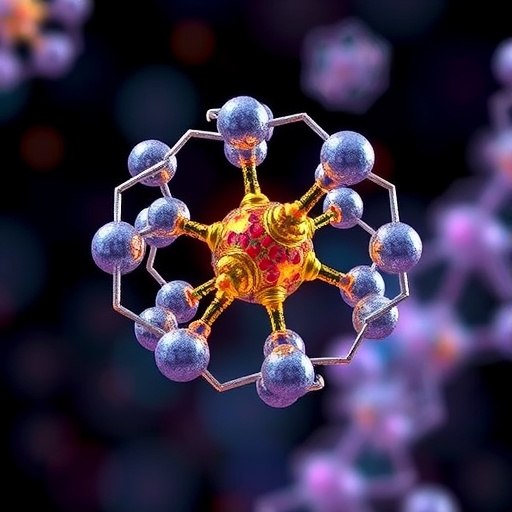
Recent developments in nanomaterials have paved the way for breakthroughs in various fields, particularly in biomedical sciences. The latest research by Dubey et al. embodies this progress, focusing on the synergistic effects of trimetallic and bimetallic nanofluids on combating malaria, demonstrating notable cytotoxic and antioxidant activities. This study, published in BMC Pharmacology and Toxicology in 2025, showcases an innovative approach towards tackling one of the world’s most persistent and deadly diseases.
Malaria, caused by the Plasmodium parasite and transmitted through the bites of infected Anopheles mosquitoes, poses a significant health challenge. Current treatments face obstacles such as drug resistance and adverse side effects. The urgent need for more effective and safer therapies has led researchers to explore nanotechnology as a viable solution, offering promising pathways through targeted drug delivery and enhanced therapeutic efficacy.
In this groundbreaking study, the authors investigated the effects of nanofluids comprising gold (Au), platinum (Pt), and palladium (Pd). The choice of metals stems from their unique chemical and physical properties that have been harnessed to enhance the therapeutic potential of traditional anti-malarial agents. The integration of these elements into nanofluids has opened up new avenues for anti-malarial drug development, paving the way for treatments that are not only more effective but also reduce harmful side effects.
The research focused on both bimetallic and trimetallic nanofluids, synthesized and studied through a series of in vitro assays. These examinations aimed to understand the interactions of the nanoparticles at a molecular level, how they behave in biological systems, and their effectiveness in inhibiting the growth of malaria parasites. The results reveal a compelling story of enhanced performance by the trimetallic formulation compared to its bimetallic counterpart, suggesting that the addition of palladium plays a critical role in improved anti-malarial activity.
Furthermore, the cytotoxic profiles of these nanofluids were evaluated to ascertain their safety. The findings highlighted a balance between effectiveness and safety, showcasing the trimetallic nanoparticles’ ability to exert cytotoxic effects on malaria parasites while minimizing toxicity in human cells. This delicate equilibrium is crucial for the future implementation of such nanofluid therapies in clinical settings.
The antioxidants included in the study also hold significant promise. The presence of these compounds assists in mitigating oxidative stress, a contributor to various diseases, including malaria. The antioxidant activities combined with the anti-parasitic effects of the nanofluids contribute to an overall synergistic action that enhances the efficacy of the treatment while potentially protecting host cells from damage.
Computational insights were also a vital part of the research. The team applied advanced computational modeling techniques to predict the interactions of the synthesized nanofluids with cellular components, providing a deeper understanding of their mechanisms of action. These simulations offer valuable predictions that can guide future experimental designs, helping to refine these nanomaterials and maximize their therapeutic potential.
In an era where drug resistance is becoming increasingly prevalent, such findings are transformative, presenting an innovative approach that can be crucial to controlling malaria’s spread. By leveraging the unique properties of metallic nanoparticles, researchers can develop targeted therapies that not only address the immediate challenges but also anticipate and circumvent emerging resistance patterns.
The collaborative nature of this research underscores the importance of interdisciplinary approaches in modern scientific inquiries. With expertise ranging from materials science to pharmacology, the contributions of various fields are necessary to tackle complex health challenges like malaria. This study is an exemplary testament to the power of collaboration in accelerating scientific advancements.
As the scientific community embraces these cutting-edge technologies, the potential for implementing nanotechnology in clinical practices seems promising. The synergy between scientific research and technological innovation can lead to more effective solutions for malaria treatment, contributing to global health efforts.
In conclusion, the study conducted by Dubey and his colleagues marks a significant milestone in malaria treatment research. Their work offers a glimpse into the future of nanomedicine, where innovative approaches such as trimetallic and bimetallic nanofluids could play essential roles in overcoming some of the most daunting challenges in infectious diseases. The implications of their findings extend beyond malaria, suggesting a wider applicability of these nanomaterials in treating other diseases where conventional therapies may fall short.
By continuously exploring the frontiers of nanomaterials and their applications, researchers can not only combat malaria effectively but also inspire a new wave of therapies that can ultimately change the landscape of medicine.
They underscore a growing awareness in the scientific community regarding the urgent need for novel strategies to confront infectious diseases efficiently. With continued advancements, the horizons of nanomedicine are expanding, promising a brighter future for public health initiatives worldwide.
Cite Scienmag News
Ophelia Keating. (December 11, 2025). Trimetallic and Bimetallic Nanofluids: Antimalarial Breakthroughs. Scienmag. https://scienmag.com/trimetallic-and-bimetallic-nanofluids-antimalarial-breakthroughs/
Ophelia Keating. "Trimetallic and Bimetallic Nanofluids: Antimalarial Breakthroughs." Scienmag, 11 December 2025, https://scienmag.com/trimetallic-and-bimetallic-nanofluids-antimalarial-breakthroughs/. Accessed 3 September 2026.
Ophelia Keating. "Trimetallic and Bimetallic Nanofluids: Antimalarial Breakthroughs." Scienmag. December 11, 2025. https://scienmag.com/trimetallic-and-bimetallic-nanofluids-antimalarial-breakthroughs/


