


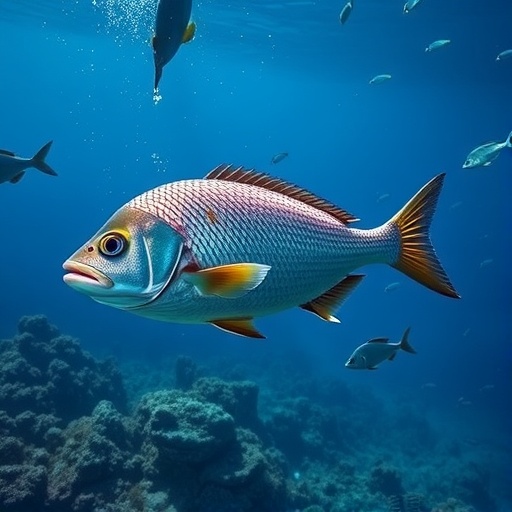
In an innovative approach to aquaculture, researchers from India have uncovered a groundbreaking method to enhance the growth and health of pearl spot, scientifically known as Etroplus suratensis, through the utilization of fish waste hydrolysate. This new research emphasizes the transformation of biowaste into a valuable resource, underscoring an environmentally sustainable strategy that aims to boost fish farming in brackishwater culture systems. The significance of this discovery extends beyond enhancing fish growth; it represents a shift towards more eco-friendly aquaculture practices that utilize organic waste materials effectively.
The study, led by a team of scientists including K.P. Sandeep, D. De, and J.R.J. Angel, investigated the effects of fish waste hydrolysate as a nutrient source. The researchers focused on the cultivation of pearl spot, a commercially important species in Indian aquaculture known for its high value and demand. Historically, fish farming has faced challenges related to nutrient supply, with many farmers relying heavily on synthetic feed, which often poses environmental threats. The introduction of fish waste hydrolysate may well mitigate some of these issues, offering a natural alternative to conventional fish feed.
One of the study’s key findings is that fish waste hydrolysate significantly enhances the growth rate and overall health of Etroplus suratensis. The researchers noted substantial increases in weight gain, length, and survival rates among fish fed on diets supplemented with hydrolysate, compared to those on standard feeds. This remarkable improvement illustrates how waste byproducts, often discarded or underutilized, can be repurposed to foster better growth performance in aquaculture species.
A critical aspect of this research is its exploration of the hydrolysis process, which involves the breakdown of larger organic matter into simpler, more absorbable nutrients. The researchers utilized enzymatic hydrolysis to convert fish waste—traditionally seen as a disposal challenge—into a nutrient-rich feed additive. The resultant hydrolysate is rich in amino acids, peptides, and organic compounds that facilitate better digestion and nutrient uptake in fish, thereby promoting more robust growth and enhanced immune responses.
Moreover, the use of fish waste hydrolysate aligns with sustainable aquaculture principles by reducing the carbon footprint associated with the production of synthetic feeds. In conventional fish farming, the sourcing of feed ingredients can lead to overfishing and environmental degradation. This innovative method not only narrows the gap between waste management and aquaculture but also encourages resource efficiency that could revolutionize the industry.
The benefits of using fish waste hydrolysate extend beyond economical growth in aquaculture. The environmental impact of aquaculture is a rising concern, and implementing strategies that convert waste into valuable products can enhance sustainability. By enabling fish farmers to utilize locally available resources for feeding, this study paves the way for a decrease in reliance on imported feed and fosters self-sufficiency within local communities.
The researchers carefully monitored several health indicators throughout the study to assess the impact of hydrolysate on pearl spot. Parameters such as feed conversion ratio, growth performance, and resistance to diseases were evaluated. The promising results suggest that fish waste hydrolysate not only serves as a growth promoter but also contributes positively to the health indices of Etroplus suratensis, thereby reducing mortality rates and promoting sustainable fish farming practices.
Furthermore, the study sheds light on the socio-economic implications of using fish waste hydrolysate in aquaculture. By minimizing waste disposal costs and enhancing productivity, fish farmers can benefit from increased profitability. This is particularly valuable for small-scale farmers who often face challenges related to feed costs and sustainability. Ultimately, the transition to utilizing fish waste hydrolysate could enhance the livelihoods of these farmers and create a more resilient aquaculture sector.
The broader implications of this research extend into the arena of food security. As the global demand for seafood continues to rise, finding sustainable solutions for fish farming is imperative. The implementation of fish waste hydrolysate into aquaculture practices may serve as a crucial step toward meeting future seafood demands through more responsible and ethical farming techniques. The conversion of biowaste into nutritious feed can significantly reduce the environmental impacts associated with seafood production.
In addition, the research highlights the importance of interdisciplinary collaboration. The convergence of biotechnology, aquaculture practices, and waste management presents a unique opportunity to address some of the pressing challenges faced by the industry today. The successful application of fish waste hydrolysate exemplifies how innovative thinking can lead to smart, sustainable solutions that benefit both the environment and the economy.
Moving forward, the researchers emphasize the need for further studies to explore the potential of fish waste hydrolysate across different aquaculture species. While the results for Etroplus suratensis are promising, understanding how this hydrolysate can be utilized in other fish species and in various culture systems could expand its applicability and contribute more broadly to aquaculture sustainability.
This research represents an important step in rethinking how we view waste in the context of aquaculture. Rather than merely an environmental burden, biowaste can be transformed into a resource that supports economic growth, sustainable practices, and improved fish health. As fish farming continues to evolve, the integration of such innovative solutions will be essential for fostering a more sustainable future for the aquaculture industry.
In conclusion, the study led by K.P. Sandeep et al. showcases the transformative potential of fish waste hydrolysate in enhancing the growth and health of pearl spot, illustrating a powerful case for the utilization of biowaste in aquaculture. It not only opens up new avenues for sustainable aquaculture practices but also sets the stage for future research that could revolutionize the industry. As the world continues to navigate the complexities of food production and environmental sustainability, embracing such innovative solutions will be paramount in shaping a resilient aquaculture landscape.
Cite Scienmag News
Denise Maddox. (December 10, 2025). Transforming Fish Waste into Growth Boost for Pearl Spot. Scienmag. https://scienmag.com/transforming-fish-waste-into-growth-boost-for-pearl-spot/
Denise Maddox. "Transforming Fish Waste into Growth Boost for Pearl Spot." Scienmag, 10 December 2025, https://scienmag.com/transforming-fish-waste-into-growth-boost-for-pearl-spot/. Accessed 4 September 2026.
Denise Maddox. "Transforming Fish Waste into Growth Boost for Pearl Spot." Scienmag. December 10, 2025. https://scienmag.com/transforming-fish-waste-into-growth-boost-for-pearl-spot/


