


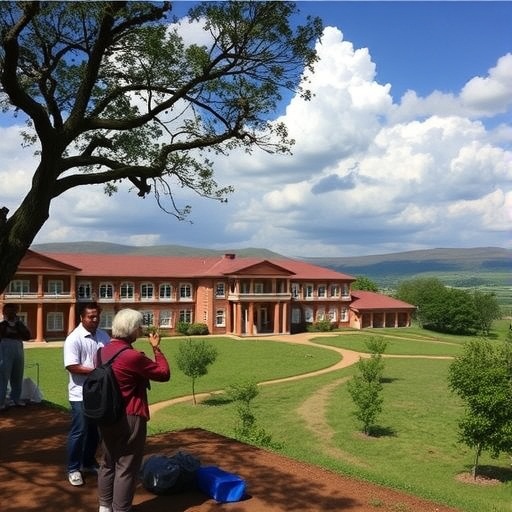
In recent years, the intersection of archaeology and development has come under increasing scrutiny, especially within the context of African universities. Scholars are beginning to recognize that traditional models of education and knowledge production must evolve to better serve the needs of local communities and to address the significant challenges facing the continent. The contemporary landscape of archaeology offers a unique opportunity for African universities to redefine their roles, not only in terms of academic inquiry but also in societal contribution and sustainable development.
The research by Katsamudanga and Nhamo illustrates the potential for African institutions to become pivotal in fostering local talent and addressing the development needs of their societies. This is particularly critical in a global environment where the contributions of African scholars were historically marginalized. By harnessing local knowledge and expertise in archaeology, universities can create frameworks that not only elevate academic standards but also promote community engagement and development.
One of the core arguments presented in their work is the necessity of integrating archaeology into the broader context of modern societal challenges. As Africa grapples with issues such as urbanization, environmental degradation, and cultural loss, archaeologists have a unique perspective on the historical dimensions of these problems. They can provide valuable insights into sustainable practices informed by indigenous knowledge systems. Therefore, the role of African universities should expand to become incubators of innovation where archaeological research is intrinsically linked to pressing societal needs.
Moreover, the authors argue that African universities must cultivate partnerships with local communities to ensure that archaeological practices are inclusive and representative of diverse voices. This community-centric approach to archaeology recognizes that local populations are not mere subjects of study but active participants in the preservation of their heritage. By involving local communities in archaeological endeavors, universities can foster a sense of ownership and empower citizens to advocate for their cultural resources. This model could drastically shift the dynamics of research and heritage management in Africa, paving the way for more equitable practices.
An essential aspect of this discussion is the evolution of curricula in African universities. Traditional academic programs often prioritize Eurocentric perspectives, sidelining indigenous knowledge systems. Katsamudanga and Nhamo advocate for a reevaluation of academic content to incorporate African histories, philosophies, and methodologies. By doing so, universities can equip students with a more nuanced understanding of their past and a greater appreciation for the complexities of their present, ultimately fostering a more informed and engaged citizenry.
As the role of technology continues to transform archaeological practice, African universities stand at a critical crossroads. The integration of advanced technologies such as Geographic Information Systems (GIS), remote sensing, and digital humanities can enhance the capacity for research and education. By embracing these tools, institutions can push the boundaries of traditional archaeological methods and explore new avenues for knowledge production that are both globally competitive and locally relevant.
The implications of these advancements are profound. With the correct infrastructure and investment, African universities can become leaders in the field of archaeology, contributing to global discourses while staying grounded in their local contexts. This alignment of global and local perspectives will enhance the universities’ reputations and attract international collaboration, funding, and expertise. The authors emphasize the need for policy-makers to recognize and support this potential to facilitate a paradigm shift within the African tertiary education landscape.
Moreover, addressing the funding disparities that exist within African higher education is vital. Many universities struggle to access the resources necessary for impactful archaeological research and education. The authors make a compelling case for increased investment in university programs focusing on archaeology and development. This strategic investment will not only improve academic infrastructure but also create job opportunities and stimulate economic growth in local communities, reinforcing the role of universities as catalysts for development.
The intricate relationship between archaeological research and development further highlights the ethical considerations at play. As universities engage more deeply with local communities, they must navigate questions of representation, consent, and benefit-sharing. This responsibility requires that academic institutions prioritize ethical guidelines that honor the voices and contributions of all stakeholders involved in archaeological research. By embedding these ethical considerations into their institutional frameworks, African universities can lead the way in establishing best practices for research and community engagement.
Another critical point raised is the necessity for interdisciplinary collaboration. Addressing complex issues such as climate change, social injustice, and economic inequality requires the integration of diverse fields of study. Archaeology, when combined with disciplines such as sociology, environmental science, and economics, can provide comprehensive solutions that are grounded in both historical context and contemporary relevance. The authors argue that universities must encourage collaborative research initiatives that transcend traditional disciplinary boundaries to cultivate holistic approaches to problem-solving.
As African universities increasingly align their missions with development goals, there emerges a pertinent need for curriculum reform that encourages students to engage with real-world challenges. This shift in educational focus not only cultivates critical thinkers but also equips students with the skills necessary to become active agents of change within their communities. The importance of fieldwork, internships, and community-based projects cannot be overstated, as these experiences provide invaluable practical knowledge that complements classroom learning.
Furthermore, promoting a culture of public archaeology within African universities serves to demystify the discipline and foster public interest in heritage preservation. Engaging the public through awareness campaigns, workshops, and community events will create a deeper appreciation for local history and archaeological sites. By democratizing access to archaeological knowledge, universities can inspire future generations to recognize the value of their cultural heritage and to contribute to its preservation actively.
In summary, Katsamudanga and Nhamo’s research posits that African universities are poised to redefine their roles amidst a rapidly changing landscape. By intertwining archaeology with local development, promoting community engagement, and embracing ethical practices, these institutions can become influential players in fostering sustainable growth. The pathway to this transformation is undoubtedly complex, yet the potential rewards for the universities, the continent, and its people are immense. A renaissance in the approach to archaeology and education could lay the groundwork for a future where African scholars are not only celebrated but are also at the forefront of global academic discourse.
In conclusion, the reimagining of African universities in the context of archaeology and development represents a crucial opportunity. It provides a platform for local knowledge to thrive and ensures that the rich histories of Africa are celebrated rather than overlooked. Looking ahead, if African universities can successfully navigate these changes, they will foster a new generation of scholars who are deeply connected to their cultural heritage and committed to the sustainable development of their communities.
Katsamudanga, S., Nhamo, A. Reimagining the Role of African Universities in the Context of Archaeology and Development.
Afr Archaeol Rev (2025). https://doi.org/10.1007/s10437-025-09624-w
Cite Scienmag News
Courtney Benton. (January 18, 2026). Transforming African Universities: Archaeology’s Role in Development. Scienmag. https://scienmag.com/transforming-african-universities-archaeologys-role-in-development/
Courtney Benton. "Transforming African Universities: Archaeology’s Role in Development." Scienmag, 18 January 2026, https://scienmag.com/transforming-african-universities-archaeologys-role-in-development/. Accessed 4 September 2026.
Courtney Benton. "Transforming African Universities: Archaeology’s Role in Development." Scienmag. January 18, 2026. https://scienmag.com/transforming-african-universities-archaeologys-role-in-development/


