


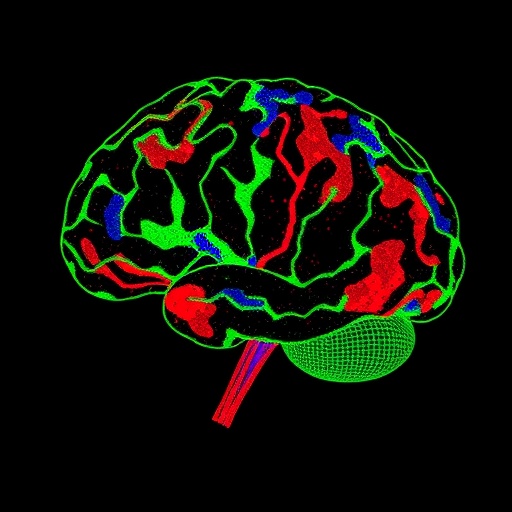
In a groundbreaking study set to redefine our understanding of brain repair mechanisms, researchers have illuminated the complex transition of human glial progenitor cells from controlled laboratory environments to dynamic living systems. This work, poised to accelerate advancements in neurodegenerative disease treatment, focuses on the journey of these progenitor cells as they traverse the sophisticated process of gliogenesis in vitro and subsequently mature after transplantation into the hypomyelinated mouse brain. The implications extend beyond mere cellular behavior, offering potential blueprints for therapeutic strategies targeting myelin-related disorders.
Glial progenitor cells, the unsung architects of the central nervous system, play a pivotal role in maintaining neural homeostasis and facilitating myelin sheath formation around axons, which is crucial for proper neuronal function. The researchers have meticulously charted the cellular and molecular events that characterize the early stages of gliogenesis—where progenitors proliferate and begin differentiation—and the subsequent integration and functional maturation of these cells within the in vivo brain environment. The hypomyelinated mouse model, chosen for its pathological resemblance to human demyelinating conditions, provides a critical platform to observe these phenomena under relevant physiological stress.
This study hinges on advanced imaging and molecular profiling techniques to trace cell lineage, gene expression changes, and phenotypic adaptations as human glial progenitor cells adapt post transplantation. The researchers deployed single-cell RNA sequencing, enabling them to dissect the heterogeneity of the progenitor population and unravel the genetic programs triggered by the in vivo milieu. A striking discovery was the identification of distinct transitional states that bridge immature progenitors with fully differentiated myelinating glia, underscoring the dynamic plasticity of these cells.
Moreover, the microenvironment within the hypomyelinated mouse brain proved to be a critical determinant of progenitor cell fate. The team observed that signals from resident neural cells, extracellular matrix components, and cytokine gradients orchestrate a finely tuned progression from proliferation to differentiation. These extrinsic cues appear to modulate epigenetic regulators, reshaping the chromatin landscape to facilitate the expression of genes necessary for myelination. This insight into the cell-extrinsic factors enriches our understanding of how environmental context dictates regenerative success in the central nervous system.
The translational potential of these findings is vast. Conditions such as multiple sclerosis, leukodystrophies, and other demyelinating disorders currently lack curative therapies that restore lost myelin effectively. By delineating the precise stages and signals that govern glial progenitor cell maturation in vivo, the research lays a foundation for developing cell-based interventions aimed at replenishing myelin and restoring neural function. The capacity of human progenitor cells to integrate and mature within a foreign brain further reinforces the feasibility of allogeneic transplantation approaches.
Technically, the research team overcame significant challenges in maintaining progenitor cell viability and multipotency throughout the transplantation process. They optimized culture conditions that balance growth factor supplementation and differentiation cues, thus preserving the cells’ regenerative capabilities. Upon transplantation, longitudinal monitoring via two-photon microscopy and immunohistochemical analysis confirmed that the grafted cells not only survived but progressively matured into oligodendrocytes capable of myelinating host axons. This demonstrates a full developmental trajectory recapitulated across species barriers.
Another innovative aspect of the work lies in its contribution to the understanding of developmental timing discrepancies between human cells and murine hosts. While in vitro gliogenesis occurs within days to weeks, the in vivo maturation was markedly prolonged, reflecting the intrinsic species-specific developmental pacing. The researchers carefully mapped these timing differences, offering valuable clues on how to synchronize cell transplantation protocols with host developmental windows to maximize therapeutic efficacy.
Intriguingly, the study also highlights the role of metabolic reprogramming during progenitor maturation. Early-stage glial progenitors predominantly rely on glycolytic pathways, whereas mature oligodendrocytes shift towards oxidative phosphorylation to meet the high energetic demands of myelination. This metabolic switch was traced through metabolic flux analyses and gene expression profiling, revealing potential metabolic vulnerabilities and targets to enhance remyelination efficiency.
Furthermore, the researchers address the immune interactions following transplantation. Despite xenogeneic origin, human glial progenitor cells evaded acute immune rejection in the immunocompromised hypomyelinated mice. The study suggests that the relatively immunoprivileged status of the central nervous system and the immunomodulatory properties of glial progenitors facilitate graft acceptance, an encouraging finding for clinical translation of allogeneic cell therapies.
The study also casts light on the differential expression of myelin-associated genes such as MBP (myelin basic protein), PLP1 (proteolipid protein 1), and MOG (myelin oligodendrocyte glycoprotein) as key markers delineating the progression to mature oligodendrocytes. The temporal and spatial expression patterns of these markers correlated strongly with the formation of compact myelin sheaths, directly visualized by electron microscopy, confirming functional maturation of the transplanted cells.
In terms of experimental design, the use of sophisticated gene-editing technologies enabled the generation of lineage reporters and fluorescent tags, affording real-time visualization of progenitor cell distribution and fate decisions post transplantation. This approach allowed unprecedented resolution in tracking cellular behavior and offered a template for similar studies aiming to link genotype with phenotype in regenerative settings.
The ecological relevance of this research lies in its potential application to human neurological diseases characterized by myelin loss and glial dysfunction. As emerging evidence suggests, glial cells contribute not only to myelin integrity but also to synaptic support, neuroinflammation modulation, and neural circuit plasticity. By restoring healthy glial populations, this strategy could ameliorate a spectrum of pathologies, extending benefits beyond mere remyelination.
Importantly, the interdisciplinary collaboration exemplified in this work—integrating neurobiology, genomics, bioengineering, and immunology—demonstrates a holistic approach toward tackling the complexity of brain repair. The insights gained could inform the design of biomaterials, drug delivery systems, and supportive niches that mimic the in vivo environment to further enhance the efficacy of cell therapies.
Looking forward, the research opens avenues to explore combinatorial treatments that synergize glial progenitor transplantation with pharmacological agents targeting inflammation, oxidative stress, and axonal injury. Such integrated protocols promise to elevate regenerative outcomes and could usher personalized medicine approaches tailored to the specific pathological milieu of individual patients.
In conclusion, the revelation of the meticulous transition from in vitro human glial progenitor cells to fully functional in vivo oligodendrocytes within a diseased brain environment marks a pivotal advance in neuroscience and regenerative medicine. This study not only deepens our fundamental understanding of glial biology but propels translational efforts aimed at repairing the wounded brain, holding promise for millions afflicted by debilitating neurodegenerative diseases.
Cite Scienmag News
Cassandra Pierce. (April 23, 2026). Tracking Human Glial Cell Maturation in Mouse Brain. Scienmag. https://scienmag.com/tracking-human-glial-cell-maturation-in-mouse-brain/
Cassandra Pierce. "Tracking Human Glial Cell Maturation in Mouse Brain." Scienmag, 23 April 2026, https://scienmag.com/tracking-human-glial-cell-maturation-in-mouse-brain/. Accessed 4 September 2026.
Cassandra Pierce. "Tracking Human Glial Cell Maturation in Mouse Brain." Scienmag. April 23, 2026. https://scienmag.com/tracking-human-glial-cell-maturation-in-mouse-brain/


