


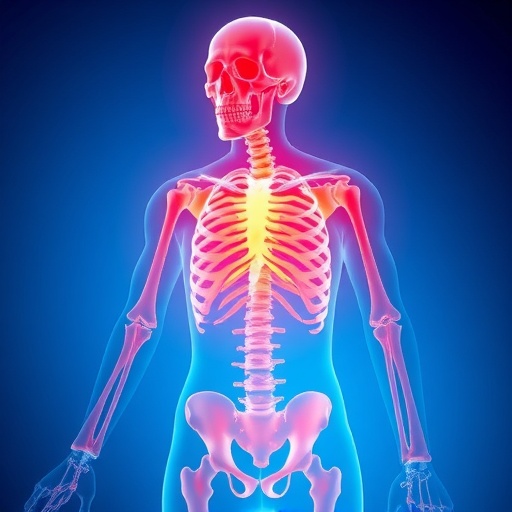
Recent advancements in the field of endocrinology have shed light on the intricate relationship between thyroid sensitivity indices and bone metabolism, particularly in populations diagnosed with type 2 diabetes mellitus (T2DM). A recent study conducted by researchers Fang, Lin, Gu, and colleagues has illuminated critical insights regarding how these parameters intertwine, especially in middle-aged and elderly patients who present normal thyroid function.
Diabetes mellitus, particularly type 2, is increasingly recognized not only as a metabolic disorder but also as a condition that significantly affects the skeletal system. Patients with T2DM often present with altered bone metabolism, which can predispose them to an elevated risk of fractures and osteoporosis. This study dives into the complexities of bone health against the backdrop of endocrine function, especially focusing on patients whose thyroid parameters appear normal.
The researchers focused on thyroid sensitivity indices—essentially measurements that provide insight into how responsive the thyroid gland is to various stimuli. This is essential since the thyroid plays a pivotal role in regulating metabolic processes, including those that govern bone health. The investigation into these indices might help elucidate why individuals with seemingly normal thyroid function still show significant bone metabolism disturbances when they also have diabetes.
With the increasing prevalence of T2DM among middle-aged and elderly populations globally, understanding the connection between thyroid function and bone metabolism is urgent. As patients aged 45 and older frequently contend with both these issues, outlining the intricate interplay could guide future treatment protocols that specifically address these concurrent health challenges.
The study methodology involved assessing patients diagnosed with T2DM, categorizing them by age and measuring several vital parameters. By examining bone mineral density and various markers of bone metabolism alongside thyroid function tests, the researchers aimed to draw correlations that would provide stronger insights into the underlying mechanisms at play. Understanding these correlations could pave the way for targeted interventions.
One significant finding indicated that even minor deviations in thyroid responsiveness might correlate with notable differences in bone metabolism among patients with T2DM. This illustrates the intricate balance the endocrine system must maintain and highlights the role of thyroid hormones in bone turnover processes. Such deviations can drastically affect the risk of osteoporosis and other related complications, stressing the necessity for deeper investigation.
Moreover, the research underscored that the traditional measures of thyroid function, while they indicate overt dysfunction, might not capture the nuanced dynamics of thyroid sensitivity that could impact bone health. As the population ages, the need for a more refined and sensitive approach to understanding thyroid health becomes glaringly evident. The implications of this are vast, particularly for clinicians who treat older patients with T2DM.
As these findings circulate within the scientific community, they call for a re-evaluation of current treatment protocols that address bone health in diabetic patients. This study could serve as a launching pad for future research aimed at developing specific therapeutic strategies that incorporate thyroid sensitivity metrics, possibly shifting the paradigm in how diabetes and bone health are approached holistically.
While the implications of thyroid sensitivity are becoming clearer, the study also raised questions about potential interventions. With the interplay between diabetes and thyroid function being relatively overlooked, future research could explore the efficacy of thyroid-modulating medications. If thyroid sensitivity directly influences bone health, could there be therapeutic pathways that not only manage diabetes but also better preserve skeletal integrity?
As scientists continue to unravel these connections, patient awareness is crucial. Understanding the potential implications of thyroid function could empower individuals with T2DM to engage more effectively with their healthcare providers. This is particularly important as many patients are unaware of the potential cascading effects their diabetes may have on their endocrine health.
In conclusion, this research lays the groundwork for a broader understanding of how thyroid sensitivity influences bone metabolism in T2DM patients. It underlines the necessity for a multi-faceted approach to patient management that considers both metabolic and endocrine health. As awareness grows about the critical links between these systems, the medical community may be better equipped to develop preventative strategies against osteoporosis in older adults living with diabetes.
The findings from this study are timely, filling a glaring gap in current endocrinological discourse. They suggest that an integrated view of diabetes management, one that encompasses thorough evaluations of thyroid function and sensitivity, may ultimately lead to better patient outcomes. The ongoing dialogue around these insights will further catalyze essential advancements in how diabetes and its myriad complications are approached, heralding a new era of targeted, patient-centered care in endocrinology.
The importance of interdisciplinary collaboration in this realm cannot be overstated. Researchers, endocrinologists, and primary care physicians must come together to bridge the gaps in knowledge and practice. Enhancing communication and understanding among these groups will be crucial as new findings emerge and evolve the standard of care for aging populations grappling with the dual challenges of diabetes and compromised bone health.
Such research not only contributes to academia but also bridges the chasm between clinical practice and patient care outcomes, potentially reshaping the future paradigms of diabetes management. Moving forward, embracing the complexity of endocrine interactions will be essential for developing comprehensive treatment strategies that promote healthier aging for individuals with type 2 diabetes.
By addressing these multifaceted relationships in clinical settings, healthcare professionals can offer more holistic and effective care, ensuring that patients maintain not only glucose levels but also robust bone health throughout their lifespan.
Cite Scienmag News
Ophelia Keating. (September 5, 2025). Thyroid Sensitivity and Bone Health in Diabetes. Scienmag. https://scienmag.com/thyroid-sensitivity-and-bone-health-in-diabetes/
Ophelia Keating. "Thyroid Sensitivity and Bone Health in Diabetes." Scienmag, 5 September 2025, https://scienmag.com/thyroid-sensitivity-and-bone-health-in-diabetes/. Accessed 3 September 2026.
Ophelia Keating. "Thyroid Sensitivity and Bone Health in Diabetes." Scienmag. September 5, 2025. https://scienmag.com/thyroid-sensitivity-and-bone-health-in-diabetes/


