


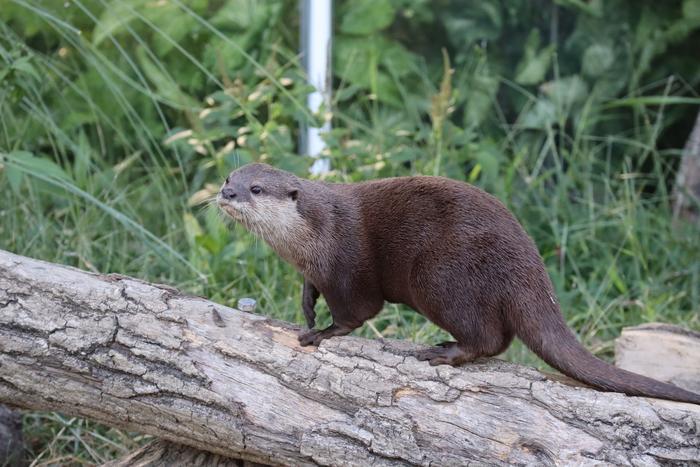
In recent years, the Asian small-clawed otter has taken social media by storm, winning the hearts of many animal lovers and internet users. Known for their intelligence, playful nature, and striking physical appearance, these otters have become internet icons, frequently featured in videos and photos. Despite their rising fame and the resulting increase in demand, there is an alarming reality lurking beneath the surface: an illicit trade network that threatens their survival. This trade has become particularly pronounced in Japan, where the otters are in demand as pets and attractions in exotic animal cafés. Such establishments showcase these adorable mammals, capitalizing on the trend toward owning unique and exotic pets, while inadvertently fueling a global crisis in otter conservation.
Japanese culture has long had an affinity for animals, particularly those that feature prominently in folklore. The river otter, known as "kawauso," is deeply embedded in Japanese mythology, often depicted as a trickster possessing magical abilities. However, the species, once common in Japan, has been wiped out due to human activities. The last confirmed sighting of the river otter occurred in 2012, leading to its formal declaration as extinct. This extinction underscores a concerning trend: as native species disappear, the allure of exotic animals like the Asian small-clawed otter grows, creating a dangerous cycle. The demand for these imported otters presents significant challenges for conservationists who seek to protect vulnerable species.
The Asian small-clawed otter, native to South and Southeast Asia, is classified as vulnerable according to the International Union for Conservation of Nature (IUCN) Red List. This classification draws attention not only to their current population status but also highlights the regulatory measures in place to protect them from overexploitation. Despite these protective efforts, the reality is grim, as illegal capture and smuggling continue unabated, with Thailand identified as a significant source of this illicit trade. Establishing the root causes and patterns of otter smuggling is crucial for conservation efforts, necessitating a systematic approach to understanding the origins of these captive animals.
Researchers at Kyoto University embarked on a collaborative initiative with partners in Thailand to study the origins of otters residing in Japan. Their aim was to trace mitochondrial DNA from various captive populations in Japan, including those in aquariums, zoos, and exotic cafés, along with specimens seized during customs inspections. By analyzing this genetic material, the research team sought to establish a clearer picture of the geographical origins of these animals and better understand the illegal trade networks driving their exploitation.
The genetic analysis revealed a striking divergence among captive otters originating from cafés and those in established zoos. The findings indicated that the demand for otters as pets depletes certain wild populations, exempting them from the legal protections that safeguard their counterparts in more regulated environments. By unraveling this complex web of demand and illicit supply, researchers can contribute to the development of more effective conservation strategies aimed at protecting these otters from continued harm.
In addressing the issue, Mayako Fujihara, a key researcher on the project, emphasized the importance of collaborative research in tracing the origins of otters in Japan. She stated that understanding the geographical sources of captive otters would illuminate the hotspots of illegal trade in Thailand, thereby fostering the development of legal controls in both countries. Such collaborative efforts could serve as a blueprint for addressing wildlife trade issues beyond otters, ultimately facilitating more significant strides in combatting biodiversity loss worldwide.
The gravity of the situation calls for urgent action to bolster conservation measures. Insights gained from this research can inform policies aimed at regulating the exotic pet trade in Japan, thereby diminishing the demand for illegally procured wildlife. Measures could include tightening regulations on animal importation, increasing public awareness of wildlife trafficking issues, and enhancing the support for wildlife rescue operations in areas heavily trafficked.
In parallel, these findings lay the groundwork for future conservation breeding programs within Japanese zoos. Genetic management could help ensure a more sustainable population of Asian small-clawed otters, thereby mitigating the risk of extinction that arises from unchecked trade practices. Researchers can align their efforts with existing conservation frameworks to develop strategies that not only protect these vulnerable otters but also reinforce their ecological roles.
The study sheds light on both the rewards and challenges of conservation biology, demonstrating that the allure of exotic animals often comes at a steep price. As conservationists grapple with the dual objectives of protecting species while respecting cultural preferences for unique pets, it has become increasingly clear that a nuanced approach is required. By promoting sustainable practices and engaging the public in education, a balance can be struck between human interests and wildlife preservation.
As otters continue to capture the imaginations of the public, it is critical that they are not reduced to mere commodities for entertainment. Safeguarding the future of Asian small-clawed otters requires a concerted effort by researchers, policymakers, and the public alike. By fostering a greater understanding of the implications behind keeping such animals as pets, society can shift toward a more ethical and sustainable interaction with wildlife.
The interconnectedness of species and ecosystems must not be forgotten, particularly as we face the challenges of climate change and habitat loss. Each species extinctions leave a void in the ecological web, hindering the resilience of other species and ultimately affecting human life. The plight of the Asian small-clawed otter serves as a powerful reminder that the consequences of our actions can reverberate far beyond the immediate moment.
The molecular tracing study, published on March 8, 2025, in Conservation Science and Practice, paves the way for further inquiries into wildlife trafficking and conservation strategies. Continued collaboration between research institutions in Japan and Southeast Asia may improve the prospects not only for otters but for a wide array of species embroiled in the battle against illegal trade. By sharing knowledge, resources, and genetic expertise, we can work together to create a future where wildlife remains wild and thriving.
In conclusion, the story of the Asian small-clawed otter is not only one of rising internet fame but also one of urgent conservation needs. The implications of this research resonate deeply within ecological and ethical contexts, posing a challenge to society’s relationship with nature. As rekindled interest in these charming creatures highlights their importance, we must commit to safeguarding their existence against the tides of exploitation that threaten to extinguish their populations forever.
Cite Scienmag News
Margaret Porter. (April 11, 2025). There has to be a different approach to this news headline for the science magazine post. Scienmag. https://scienmag.com/there-has-to-be-a-different-approach-to-this-news-headline-for-the-science-magazine-post/
Margaret Porter. "There has to be a different approach to this news headline for the science magazine post." Scienmag, 11 April 2025, https://scienmag.com/there-has-to-be-a-different-approach-to-this-news-headline-for-the-science-magazine-post/. Accessed 5 September 2026.
Margaret Porter. "There has to be a different approach to this news headline for the science magazine post." Scienmag. April 11, 2025. https://scienmag.com/there-has-to-be-a-different-approach-to-this-news-headline-for-the-science-magazine-post/


