


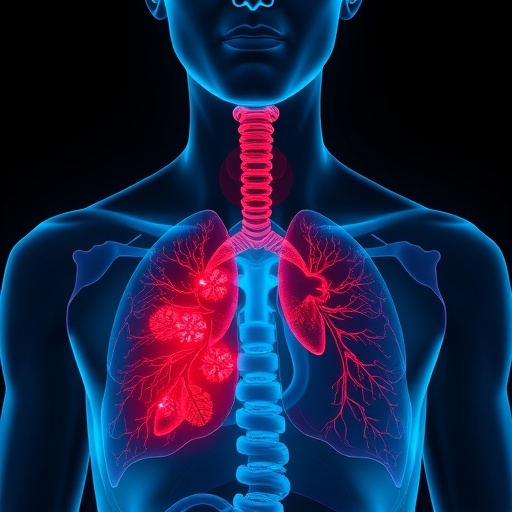
For the first time, researchers have uncovered a compelling connection between depression and systemic inflammation in lung cancer patients, revealing a combined effect that predicts persistent depressive symptoms long after diagnosis. This groundbreaking study, conducted at The Ohio State University, meticulously followed patients newly diagnosed with advanced, non-small cell lung cancer over eight months, exposing a troubling synergy between mental health and biological inflammation markers that influences the trajectory of depression during treatment.
Lung cancer is notorious not only for its aggressive nature but also for the extraordinary psychological burden it places on patients. While depression is frequently observed among these patients, this study illuminates the complex interplay between depression and heightened inflammation at the time of diagnosis, charting how this dual presence forecasts enduring mood disturbances even amidst the newest cancer therapies. Unlike those with just elevated depression or inflammation, individuals exhibiting both factors experienced significant worsening or persistence of depressive symptoms over time.
In this observational research, the authors controlled comprehensively for potential confounding variables such as age, race, socioeconomic status, smoking history, and specific cancer treatments, thereby isolating the combined impact of depression and inflammation on patients’ mental health. Such rigorous analytic frameworks underscore the robustness of their findings, highlighting the potential biological underpinnings that exacerbate mood disorders among those battling severe cancers.
Central to the study was the measurement of systemic inflammation, quantified through the Advanced Lung Cancer Inflammation Index (ALI). ALI is derived from circulating neutrophils and lymphocytes, two key immune cells whose balance reflects the body’s inflammatory state. Previously validated by the team to predict survival outcomes in lung cancer, ALI now emerges as a potential biomarker not only for physical prognosis but also for mental health trajectories, linking immune dysregulation directly to psychological resilience or vulnerability.
The precise mechanisms underlying the intertwined relationship between inflammation and depression remain elusive but compelling hypotheses have been proposed. One prominent theory suggests that peripheral inflammation transmits signals to the brain’s microglial cells, activating neuroimmune pathways that release neurotoxic substances. This neuroinflammation could disturb neural circuits responsible for mood regulation, offering a plausible biological explanation for sustained depression observed in this patient group.
Remarkably, the investigators found that depression trajectory over the eight-month follow-up was uniquely elevated in the subgroup with both high depression and systemic inflammation at baseline. Patients with either high depression or high inflammation alone did not display the same pattern of progressive or persistent mood symptoms, indicating a synergistic effect rather than an additive one. This nuance hints at complex feedback loops between mental health and immune activation in lung cancer pathology.
The study’s implications extend beyond academic curiosity, pressing physicians and oncologists to reevaluate standard cancer care paradigms. Lung cancer patients presenting with both depressive symptoms and signs of systemic inflammation represent a clinically vulnerable group who may benefit from integrated interventions. Identifying these patients early through combined psychological assessments and biomarkers like ALI could transform patient management by incorporating targeted psychological and possibly anti-inflammatory therapies.
Importantly, depression in cancer patients has long been associated with poorer treatment adherence, diminished quality of life, and even reduced survival. Against this backdrop, the synergy between inflammation and depression unveiled by this investigation raises stakes for early mental health screening, urging comprehensive care strategies that address both psychiatric and immunological health concurrently.
The authors emphasize that psychological therapies tailored to reduce depressive symptoms might also influence inflammatory processes, as suggested by some earlier biomedical studies. This bidirectional relationship between mind and body potentially opens avenues for novel therapeutics that harness the immune system’s modulation as an adjunct to traditional psychological care, particularly critical in a patient population as high-risk as advanced lung cancer.
This multimodal research endeavor was conducted by a multidisciplinary team at Ohio State’s College of Medicine and the university’s Comprehensive Cancer Center, involving experts in psychology, oncology, and immunology. Their collective expertise enabled a sophisticated approach to disentangling the intricate biopsychosocial factors preceding and perpetuating depression in lung cancer patients, setting a new standard for research in psycho-oncology.
Funding for this pivotal study came from the Pelotonia Beating Lung Cancer in Ohio (BLCIO) research initiative, underscoring the value of dedicated financial support in advancing knowledge at the intersection of cancer biology and mental health. The findings are poised to influence both clinical practice and future research directions, charting a course toward more personalized and effective management of lung cancer’s psychological comorbidities.
As cancer treatment continues to evolve with targeted therapies and immunotherapies, addressing the silent but profound burden of depression entwined with inflammation will be essential in optimizing patient outcomes. This study represents a vital step in that direction by highlighting the urgent need to screen for and treat depression with consideration of its biological underpinnings in systemic inflammation.
News Publication Date: 11-Jun-2025
Web References:
- Study publication: https://journals.lww.com/bsam/abstract/9900/depression_and_inflammation_predict_depression.38.aspx
- DOI: http://dx.doi.org/10.1097/PSY.0000000000001379
References: The study as published in Biopsychosocial Science and Medicine
Cite Scienmag News
Nathaniel Bowman. (June 25, 2025). The Impact of Depression and Inflammation on Lung Cancer Patients: A Dangerous Duo. Scienmag. https://scienmag.com/the-impact-of-depression-and-inflammation-on-lung-cancer-patients-a-dangerous-duo/
Nathaniel Bowman. "The Impact of Depression and Inflammation on Lung Cancer Patients: A Dangerous Duo." Scienmag, 25 June 2025, https://scienmag.com/the-impact-of-depression-and-inflammation-on-lung-cancer-patients-a-dangerous-duo/. Accessed 5 September 2026.
Nathaniel Bowman. "The Impact of Depression and Inflammation on Lung Cancer Patients: A Dangerous Duo." Scienmag. June 25, 2025. https://scienmag.com/the-impact-of-depression-and-inflammation-on-lung-cancer-patients-a-dangerous-duo/


