


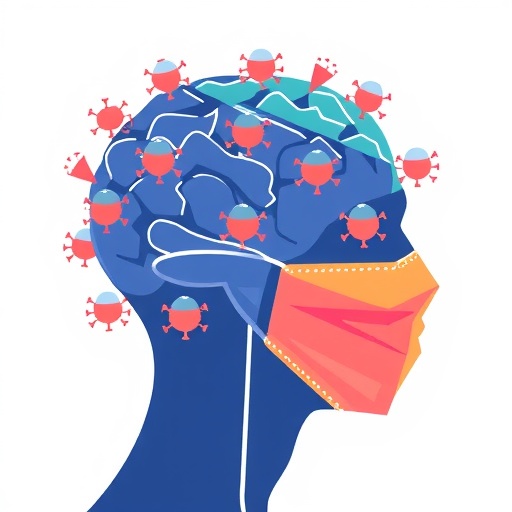
In the wake of the global COVID-19 pandemic, the medical community continues to grapple with the long-term repercussions faced by many survivors. Among the most enigmatic and persistent challenges is the post-COVID-19 condition, colloquially known as “long COVID.” Characterized by a complex constellation of symptoms ranging from cognitive dysfunction to debilitating fatigue, this condition has baffled healthcare providers and researchers alike. In response, a groundbreaking study protocol recently published by Gouraud, Ancellin-Geay, Verot, and colleagues in BMC Psychology sets the stage for a multifaceted intervention designed to alleviate the burdens of this enigmatic syndrome through a novel combination of cognitive behavioral therapy, exercise regimens, and cognitive remediation.
The study outlined by these researchers marks a pivotal step in addressing the neuropsychological sequelae that many post-COVID-19 patients endure. Cognitive behavioral therapy (CBT), a well-established psychotherapeutic approach, is positioned at the forefront of the intervention. CBT’s role in this context is to recalibrate maladaptive thought patterns and emotional responses linked with the chronic symptoms of long COVID, aiming to enhance patients’ coping mechanisms and ultimately improve quality of life. The protocol’s open-label randomized controlled design ensures rigorous evaluation while allowing participants and clinicians insight into the treatment processes, fostering engagement and adherence.
Exercise training represents the second pillar of this ambitious therapeutic protocol. Accumulating evidence has suggested that physical activity can mitigate symptoms such as fatigue and muscle weakness, frequent in post-COVID-19 condition, by promoting physiological and neurological recovery. The prescribed exercise regimens are carefully tailored to address patients’ varying capacities, ensuring safety while striving to restore endurance and physical function. This approach leverages the well-documented benefits of aerobic and resistance training in modulating systemic inflammation and enhancing neuroplasticity, both critical factors in recovery from viral-induced multisystem disruption.
Perhaps the most intriguing aspect of the trial is the inclusion of cognitive remediation therapy. This specialized intervention targets the cognitive deficits—commonly described as “brain fog”—that many long COVID patients report. Cognitive remediation involves structured activities designed to improve memory, attention, processing speed, and executive functions. By systematically exercising neural pathways affected in post-COVID cognitive impairment, this approach aims to induce neuroplastic changes conducive to functional recovery. Integrating cognitive remediation alongside CBT and physical exercise represents a comprehensive, biopsychosocial approach rarely applied concurrently in this patient population.
The rationale behind combining these diverse modalities reflects emerging recognition that post-COVID-19 condition is not solely a physical disorder but a multifactorial syndrome requiring holistic treatment strategies. Persistent symptoms appear to stem from a combination of ongoing inflammatory processes, autonomic nervous system dysregulation, and direct neuronal injury caused by the SARS-CoV-2 virus or immune-mediated mechanisms. This complexity necessitates therapeutic flexibility that addresses psychological distress, physical deconditioning, and cognitive dysfunction in tandem, rather than in isolation.
Methodologically, the study employs an open-label, randomized controlled design—a gold standard in clinical research that balances scientific rigor with practical feasibility. Though participants and therapists are not blinded to treatment allocation, outcomes will be assessed by independent evaluators, minimizing bias. Additionally, the protocol encompasses detailed baseline and follow-up evaluations spanning neuropsychological tests, physical capacity assessments, and psychometric measures. This comprehensive battery enables investigators to capture nuanced changes across physical and cognitive domains, providing granular insight into treatment efficacy and mechanistic underpinnings.
Recruitment criteria for the study emphasize inclusivity of patients exhibiting a broad spectrum of post-COVID symptoms, particularly focusing on those with cognitive complaints persisting beyond 12 weeks after acute infection. By targeting this chronic phase, the research addresses a critical window where interventions may shift the trajectory from prolonged disability toward meaningful recovery. The protocol also advocates for patient-centered care, incorporating individualized goals and adapting the intensity of interventions to match fluctuating symptom severity.
The implications of this study extend far beyond immediate therapeutic outcomes. By systematically examining the interplay between psychological treatments, physical exercise, and cognitive rehabilitation, the results will likely inform future guidelines for managing complex post-viral syndromes. Furthermore, elucidating which components or combinations yield the greatest benefits could streamline interventions, optimizing resource allocation amid burgeoning long COVID case numbers globally. This approach is particularly relevant given the unprecedented scale and heterogeneous presentations encountered after the pandemic.
In addition to clinical benefits, the study is poised to deepen scientific understanding of post-COVID pathophysiology. Tracking cognitive and physical markers longitudinally in response to intervention will shed light on recovery patterns and potential biomarkers. This knowledge may catalyze development of precision medicine frameworks tailored to individual profiles, potentially involving adjunctive pharmacotherapies that target underlying inflammation or neurodegeneration identified through integrated analyses.
Moreover, the trial’s innovative structure reflects a growing trend toward interdisciplinary collaboration. Bridging psychological science, exercise physiology, neurology, and rehabilitation medicine, the research embodies a holistic paradigm well-suited for tackling multifaceted disorders. This model may serve as a blueprint for managing other chronic illnesses with overlapping cognitive, physical, and emotional dimensions, underscoring the importance of comprehensive care pathways and patient empowerment.
Given the vast public health burden posed by long COVID, findings from this study may resonate deeply with patients, caregivers, and healthcare systems worldwide. Empowering patients with evidence-based interventions to regain function and autonomy can fundamentally alter the post-pandemic landscape, helping mitigate long-term social and economic impacts. The study’s transparent protocol publication fosters interdisciplinary dialogue and accelerates knowledge dissemination, encouraging replication and adaptation across diverse healthcare settings.
The strategic inclusion of cognitive behavioral therapy is particularly promising because it addresses psychological sequelae such as anxiety, depression, and post-traumatic stress that frequently exacerbate cognitive and physical symptoms. By equipping patients with skills to modulate distress and maladaptive behaviors, CBT may enhance adherence to exercise and cognitive rehabilitation components, creating a positive feedback loop that amplifies overall therapeutic benefits.
Exercise training, while widely regarded as beneficial for many chronic conditions, presents unique challenges in long COVID due to symptom variability and potential post-exertional malaise. The trial’s protocol accounts for these concerns through individualized progression and close monitoring, aiming to strike a delicate balance between activity and recovery. Positive outcomes could shift prevailing caution toward more proactive physical rehabilitation strategies.
Cognitive remediation, though well established in psychiatric and neurological populations such as schizophrenia and traumatic brain injury, represents novel territory in post-viral syndromes. Demonstrating its feasibility and efficacy here could pave the way for broader application in infectious disease recovery and neurorehabilitation, expanding therapeutic horizons for patients experiencing cognitive dysfunction secondary to systemic illness.
As the COVID-19 pandemic continues evolving, so too must approaches to managing its lasting effects. This open-label randomized controlled trial epitomizes a forward-thinking, integrative attempt to decode and treat post-COVID-19 condition through an interplay of psychological, physiological, and neurological interventions. By embracing complexity rather than reductionism, it holds promise for transforming long COVID care from reactive symptom management to proactive restoration of health and function.
In summation, the study protocol presented by Gouraud and colleagues heralds a pivotal moment in long COVID research and treatment. Combining cognitive behavioral therapy, carefully calibrated exercise training, and innovative cognitive remediation within a rigorous randomized controlled design offers an unprecedented, multidimensional pathway toward recovery. Its outcomes may not only alleviate suffering for millions but also redefine standards of care in a post-pandemic world increasingly shaped by chronic sequelae of infectious diseases.
Cite Scienmag News
Glenn Wilkins. (December 19, 2025). Testing Therapies for Post-COVID Cognitive and Physical Recovery. Scienmag. https://scienmag.com/testing-therapies-for-post-covid-cognitive-and-physical-recovery/
Glenn Wilkins. "Testing Therapies for Post-COVID Cognitive and Physical Recovery." Scienmag, 19 December 2025, https://scienmag.com/testing-therapies-for-post-covid-cognitive-and-physical-recovery/. Accessed 5 September 2026.
Glenn Wilkins. "Testing Therapies for Post-COVID Cognitive and Physical Recovery." Scienmag. December 19, 2025. https://scienmag.com/testing-therapies-for-post-covid-cognitive-and-physical-recovery/


