


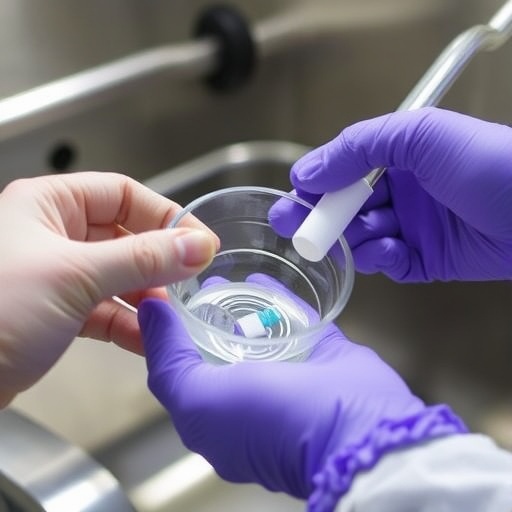
The world of medical device sterilization is experiencing a significant transformation, particularly with the introduction of Chlorine Dioxide (ClO2) as a prominent sterilizing agent. In a groundbreaking study, the researchers, Lorcheim, P., Lorcheim, E., and Van Ee, T., have explored the efficacy and potential risks associated with using Chlorine Dioxide in the sterilization of medical devices. This research is crucial, especially with the growing concerns surrounding hospital-acquired infections and the need for effective sterilization methods that do not compromise patient safety.
Chlorine Dioxide is a yellowish-green gas with strong oxidizing properties, predominantly used in water treatment and disinfection because of its ability to destroy a wide range of microorganisms, including bacteria, viruses, and fungi. Its potent antimicrobial properties make it an appealing candidate for medical applications. However, the central question remains: how safe is it to use Chlorine Dioxide for sterilization purposes in clinical settings?
The researchers conducted a comprehensive analysis examining the residual toxicity of Chlorine Dioxide when utilized for the sterilization of medical devices. This is particularly relevant given that residual chemicals on medical devices pose a significant risk to patient safety. Toxic residues can contribute to adverse reactions in patients, potentially leading to complications that could result in serious health consequences. Therefore, establishing safe levels of any residual chemicals post-sterilization is essential before Chlorine Dioxide can be widely adopted in the healthcare environment.
One of the primary concerns addressed in the study is the potential for Chlorine Dioxide to produce harmful byproducts during the sterilization process. The researchers meticulously evaluated the conditions under which these byproducts can form and their possible implications on human health. This vital aspect of research not only paves the way for understanding the broader safety profile of Chlorine Dioxide but also sets the ground for developing recommended guidelines for its use.
Another intriguing facet of this study was the comparison of Chlorine Dioxide’s effectiveness against traditional sterilization methods such as ethylene oxide and steam sterilization. Through rigorous experimentation, the researchers assessed how well Chlorine Dioxide can eliminate microbial pathogens from various medical devices, which included complex instrumentation that poses a challenge for conventional sterilization techniques.
The findings highlighted that Chlorine Dioxide could achieve a higher log reduction of microorganisms compared to other sterilization methods. This enhanced efficacy could significantly reduce the likelihood of infection transmission through medical instruments, which is a critical factor given the rise in surgeries and invasive procedures performed in healthcare facilities globally.
However, these promising results must be tempered with caution as the study also identified an important caveat: the importance of meticulous monitoring of Chlorine Dioxide levels during the sterilization process. The researchers emphasized that improper handling and application could lead to increased toxicity levels. This necessitates the development of advanced monitoring systems to ensure that safety thresholds are maintained consistently.
The research also delved deeper into the mechanism of action of Chlorine Dioxide. It operates by penetrating microbial cell walls, leading to oxidative damage to essential cellular components, including proteins and nucleic acids. Understanding this mechanism helps in refining the sterilization protocols to enhance efficacy while minimizing the risks of residue.
As Chlorine Dioxide continues to garner attention in the medical community, it opens doors not only for sterilization but also for broader applications in the decontamination and disinfection of hospitals. The researchers suggest that investing in technology to harness the full potential of Chlorine Dioxide could revolutionize current best practices for infection control.
Importantly, the study emphasizes the need for extensive validation and standardization of Chlorine Dioxide sterilization processes across different medical settings. Engaging regulatory agencies and key stakeholders is crucial in promoting this innovative sterilization method, ensuring that it meets all necessary safety and efficacy standards.
As anticipation builds around the clinical applications of Chlorine Dioxide, healthcare professionals must remain informed about its benefits and limitations. Education and training on new sterilization practices will be vital to adapt to this potentially paradigm-shifting agent in infection control.
The research conducted by Lorcheim, P., Lorcheim, E., and Van Ee, T., marks a pivotal point in the guidance of sterilization practices within modern medicine. As hospitals increasingly focus on improving patient outcomes and minimizing infection risks, Chlorine Dioxide may soon emerge as a cornerstone in the fight against healthcare-associated infections.
In conclusion, the study of Chlorine Dioxide as an effective sterilization agent not only offers promising possibilities for enhancing patient safety in medical environments but also illuminates the complexity of ensuring that innovation is accompanied by rigorous safety evaluations. The ongoing research will undoubtedly fuel discussions and efforts within the medical community, ultimately fostering a new era in infection control.
Lorcheim, P., Lorcheim, E. & Van Ee, T. Chlorine Dioxide Medical Device Sterilization: Residual Toxicity Testing.
J. Med. Biol. Eng. (2025). https://doi.org/10.1007/s40846-025-00995-8
Cite Scienmag News
Ophelia Keating. (December 3, 2025). Testing Residual Toxicity of Chlorine Dioxide Sterilization. Scienmag. https://scienmag.com/testing-residual-toxicity-of-chlorine-dioxide-sterilization/
Ophelia Keating. "Testing Residual Toxicity of Chlorine Dioxide Sterilization." Scienmag, 3 December 2025, https://scienmag.com/testing-residual-toxicity-of-chlorine-dioxide-sterilization/. Accessed 5 September 2026.
Ophelia Keating. "Testing Residual Toxicity of Chlorine Dioxide Sterilization." Scienmag. December 3, 2025. https://scienmag.com/testing-residual-toxicity-of-chlorine-dioxide-sterilization/


