


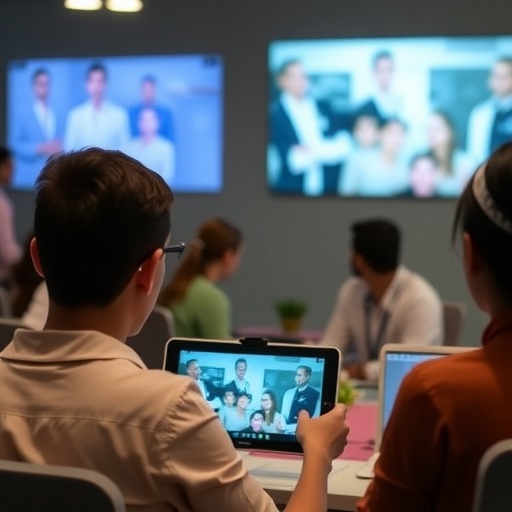
In recent years, the landscape of healthcare delivery has seen a significant transformation driven by technological advancements. One of the most notable changes is the incorporation of telemedicine, which has become increasingly prevalent in healthcare systems worldwide. A recent study sheds light on this trend by exploring the perspectives of Turkish medical students regarding the advantages and disadvantages of telemedicine. This inquiry not only examines the efficacy of telemedicine but also delves into the psychological underpinnings related to its widespread adoption in healthcare practices.
Telemedicine encompasses various services ranging from virtual consultations to remote patient monitoring and education. The study, led by Aydin and colleagues, aimed to develop a scale that accurately measures both the benefits and pitfalls associated with telemedicine from the viewpoint of medical students. The thorough psychometric evaluation conducted as part of this research provides robust insights into the validity and reliability of the tools used for measurement.
Understanding students’ perspectives is critical, as they are the future of the medical profession and their attitudes towards telemedicine could significantly influence how this technology evolves in practice. The research team utilized a mixed-methods approach, combining quantitative surveys with qualitative interviews to capture a comprehensive view of the students’ experiences and beliefs about telemedicine. This methodological diversity enriches the data and ensures a more nuanced understanding of the topic at hand.
One major advantage of telemedicine identified in the study is the increased accessibility to healthcare services. Students noted that telemedicine could bridge geographical gaps, allowing patients in remote areas to access specialist consultations that were previously unavailable. This aspect is crucial in a country like Turkey, where disparities in healthcare access can pose significant challenges. By making healthcare more accessible, telemedicine has the potential to improve health outcomes and equity across diverse populations.
In addition to accessibility, the study highlighted the convenience of telemedicine as a significant benefit. Medical students reported that virtual appointments save time and reduce the need for travel, which can be especially burdensome for patients with chronic conditions or mobility issues. By eliminating these barriers, telemedicine not only enhances patient satisfaction but also encourages more individuals to seek medical advice when needed. This demand for services could ultimately lead to better preventive care and health management.
However, the study did not shy away from discussing the drawbacks associated with telemedicine. One of the primary concerns raised by students was the potential for diminished patient-provider interactions. The lack of face-to-face communication may hinder the development of a strong therapeutic alliance, which is often rooted in personal connection and physical presence. Students expressed that some patients might feel a sense of detachment during virtual consultations, potentially impacting the quality of care provided.
Another concern revolves around the issue of technology accessibility itself. While telemedicine offers increased convenience, it assumes that all patients have the necessary technology, such as smartphones or internet access, to utilize these services. In Turkey, as in many countries, there exists a digital divide particularly among older populations or lower socioeconomic groups. The students pointed out that relying solely on telemedicine could exacerbate existing inequalities in healthcare access, thereby limiting its effectiveness as a solution for all.
Privacy and confidentiality in telemedicine were also recurring themes in the students’ discussions. As consultations often involve the sharing of sensitive medical information, students voiced concerns over the security of online platforms and the potential for data breaches. Trust is a fundamental component of the patient-provider relationship, and any perceived weaknesses in data protection could erode that trust, making patients hesitant to engage with telemedicine services.
The findings of this study have broader implications for the future implementation of telemedicine, especially in training new healthcare providers. Medical education needs to adapt to include training on how to effectively communicate with patients through digital platforms. This ensures that future healthcare providers are equipped not only with the necessary technological skills but also the interpersonal skills to maintain rapport and empathy in a virtual context.
Additionally, the emphasis on telemedicine in medical education could lead to a more significant acceptance of these services among future practitioners. By normalizing the use of telehealth early in their training, students may be more likely to incorporate telemedicine into their practices, ultimately benefiting healthcare delivery systems.
The study by Aydin et al. reflects a timely investigation into a rapidly evolving field. As telemedicine continues to gain traction, understanding the perceptions of those who will be entering the healthcare workforce is essential. Their insights can inform policy changes, technology development, and educational curricula to ultimately enhance the efficacy of telemedicine.
The research catalyzes further discussions on the integration of telemedicine within public health strategies. Policymakers and healthcare administrators must consider the perspectives of medical students to navigate the complexities introduced by this technology. Tailoring telemedicine solutions to align with patient needs while addressing concerns related to accessibility, interaction quality, and privacy are essential for creating effective healthcare frameworks.
As telemedicine shapes the future of healthcare delivery, the role of education in preparing healthcare providers for this new landscape is paramount. Training programs that prioritize telemedicine and integrated health systems could facilitate the adoption of these services, ensuring that patients receive comprehensive, effective care through this innovative approach.
Ultimately, the journey toward a more digitally integrated healthcare system is a collective effort. With ongoing research and dialogue, stakeholders can continue to evolve telemedicine practices in a way that maximizes benefits while minimizing risks. The insights gained from studies such as Aydin et al.’s pave the way for a more informed and equitable approach to telemedicine implementation in the years to come.
As the healthcare sector embarks on this digital evolution, recognizing and addressing the multifaceted perspectives of future medical practitioners will be crucial in shaping a telemedicine framework that works for everyone involved. The ongoing discourse will not only enhance medical education but also contribute to building a more resilient and adaptable healthcare system in the face of changing patient needs and technological advances.
In conclusion, the study highlights both the promise and challenges of telemedicine, providing a significant contribution to the understanding of how emerging technologies can reshape healthcare. With continued research and engagement from medical communities, including students, a future where telemedicine thrives and fulfills its potential is within reach.
Aydin, M., Alper, Z., Ozkaya, G. et al. Turkish medical students’ perspectives on the advantages and disadvantages of telemedicine: scale development and psychometric evaluation. BMC Med Educ (2026). https://doi.org/10.1186/s12909-025-08515-7
Cite Scienmag News
Courtney Benton. (January 4, 2026). Telemedicine Insights: Turkish Medical Students’ Perspectives. Scienmag. https://scienmag.com/telemedicine-insights-turkish-medical-students-perspectives/
Courtney Benton. "Telemedicine Insights: Turkish Medical Students’ Perspectives." Scienmag, 4 January 2026, https://scienmag.com/telemedicine-insights-turkish-medical-students-perspectives/. Accessed 3 September 2026.
Courtney Benton. "Telemedicine Insights: Turkish Medical Students’ Perspectives." Scienmag. January 4, 2026. https://scienmag.com/telemedicine-insights-turkish-medical-students-perspectives/


