


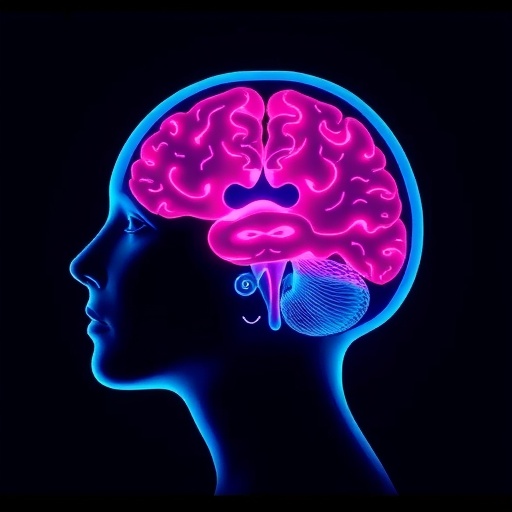
In an ambitious move that may alter the landscape of mental health management in surgical settings, a recent randomized controlled trial has unveiled promising results for the use of transcranial direct current stimulation (tDCS) in mitigating perioperative depression among women undergoing breast cancer surgery. This groundbreaking study, led by Zan, W., Zhou, M., Qi, Y., and colleagues, and published in Translational Psychiatry in 2026, shines a spotlight on how cutting-edge neuromodulation techniques can potentially transform postoperative recovery trajectories by targeting the often-overlooked psychological dimension of surgical care.
Depression related to the perioperative period—encompassing the time before, during, and after surgery—presents a significant challenge, especially for breast cancer patients who face an emotionally taxing prognosis alongside the physical trauma of surgery itself. Conventional pharmacologic and psychotherapeutic strategies have had limited success in this niche context, often hindered by delayed onset of therapeutic effects and complex drug interactions due to polypharmacy in oncology care. The need for rapid, non-invasive, and side-effect-sparing interventions is urgent, and tDCS emerges as a possible frontrunner in this regard.
Transcranial direct current stimulation is a form of neuromodulation which delivers a low-grade electrical current to targeted brain regions via scalp-mounted electrodes. Unlike more invasive techniques, tDCS is relatively simple, cost-effective, and has a favorable safety profile. The mechanism involves modulating neuronal excitability and plasticity in circuits implicated in mood regulation, notably within the prefrontal cortex—a region deeply involved in emotional management, decision-making, and cognitive control. These biological underpinnings guided the study’s hypothesis that perioperative application of tDCS could preempt or alleviate depressive symptoms in breast cancer surgery patients.
The trial, conducted with methodological rigor, randomized participants to receive either active tDCS or sham stimulation throughout the perioperative window. The investigators employed standardized depression rating scales alongside biomarkers of stress and inflammation to thoroughly assess the intervention’s impact. Detailed neuropsychological assessments complemented these evaluations to capture subtle cognitive and affective shifts induced by brain stimulation. The multi-dimensional approach enabled a comprehensive understanding of not just symptom change but also potential neurobiological mechanisms.
Results from the study painted a compelling picture. Patients receiving active tDCS exhibited significantly reduced depressive symptoms compared to controls, with improvements manifesting rapidly—often within days following initiation. Moreover, these benefits persisted well into the postoperative period, suggesting durable mood stabilization. Beyond subjective mood scales, reductions in systemic inflammatory markers and alterations in neural connectivity patterns were observed, corroborating the neurophysiological basis for the antidepressant effects of tDCS.
Importantly, the intervention was well tolerated, with minimal adverse effects reported. The non-invasive nature and ease of administration make tDCS particularly well suited for integration into perioperative care protocols. This is critical given the vulnerability of breast cancer patients who may be contraindicated for certain psychotropic medications or unwilling to add to their pharmacologic burden. By circumventing these barriers, tDCS provides an innovative therapeutic avenue that aligns with precision medicine’s ethos.
This trial represents one of the first large-scale applications of tDCS specifically targeted at perioperative depression—a domain that has previously received scant empirical attention. Prior studies have mainly focused on chronic depression or post-stroke emotional disturbances, but transposing this modality to the context of surgical oncology broadens its therapeutic horizon. It suggests that neuromodulation can interrupt the cascade of psychological and physiological stress activated in the perioperative period, potentially improving not only mental health but also surgical recovery and long-term outcomes.
The study also has important implications for understanding the bidirectional relationship between mood disorders and inflammation in cancer patients. By mitigating depressive symptoms, tDCS may indirectly influence immune function, tumor microenvironment, and even pain perception. These interconnected pathways underscore the holistic potential of brain stimulation therapies to influence systemic health beyond isolated symptom control.
Researchers caution, however, that while these findings are encouraging, further investigation is warranted. Larger multi-center trials with longer follow-up periods would help delineate the duration of tDCS benefits and identify any late-emerging effects. Additionally, optimizing stimulation parameters such as current intensity, electrode placement, and treatment timing could enhance efficacy and personalization. Investigating combining tDCS with psychotherapy or pharmacological treatments may also reveal synergistic effects.
Given the ubiquity and emotional burden of breast cancer surgery worldwide, widespread clinical adoption of tDCS could mark a paradigm shift in perioperative mental health care. This modality presents a novel non-pharmacological, mechanistically targeted intervention that addresses a profound unmet need. By harnessing the brain’s inherent plasticity, tDCS offers hope for rapidly improving the psychological resilience of patients confronting the dual challenge of cancer and surgery.
This pioneering study serves as a clarion call for integrating neuropsychiatric strategies into oncological surgical care. As such, it reaffirms the critical importance of approach synergy—where neuroscience, psychiatry, oncology, and surgical disciplines converge to optimize patient-centered outcomes. With further validation, transcranial direct current stimulation could become a staple of comprehensive cancer care, elevating not only survival but quality of life during one of the most vulnerable phases of patient journeys.
In conclusion, the efficacy demonstrated by Zan et al. provides compelling evidence that tDCS represents a potent adjunctive therapy for perioperative depression in breast cancer surgery patients. The marriage of safety, accessibility, and rapid action positions this intervention as uniquely suited for clinical translation. With growing enthusiasm and ongoing research, this innovative brain stimulation technique is poised to redefine mental health care paradigms in the perioperative setting—heralding a future where emotional wellbeing is prioritized alongside physical healing in the battle against cancer.
Cite Scienmag News
Glenn Wilkins. (June 24, 2026). tDCS Eases Perioperative Depression in Breast Cancer. Scienmag. https://scienmag.com/tdcs-eases-perioperative-depression-in-breast-cancer/
Glenn Wilkins. "tDCS Eases Perioperative Depression in Breast Cancer." Scienmag, 24 June 2026, https://scienmag.com/tdcs-eases-perioperative-depression-in-breast-cancer/. Accessed 4 September 2026.
Glenn Wilkins. "tDCS Eases Perioperative Depression in Breast Cancer." Scienmag. June 24, 2026. https://scienmag.com/tdcs-eases-perioperative-depression-in-breast-cancer/


