


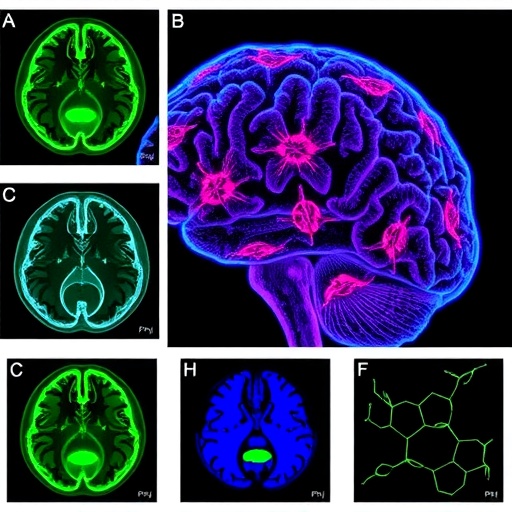
In the relentless pursuit of innovative therapies for glioblastoma, one of the deadliest brain tumors known for its aggressive nature and resistance to conventional treatments, researchers have increasingly turned their focus to the molecular pathways underpinning tumor growth and immune escape. Among these, the transforming growth factor-β (TGF-β) signaling pathway has emerged as a powerful regulator of tumor progression, influencing cellular proliferation, invasion, and the intricate dance between cancer cells and the immune system. A groundbreaking study by Nakhaei, Abedi, Afshari, and colleagues, recently published in Medical Oncology, presents a compelling argument for the therapeutic potential of phytochemicals in modulating TGF-β’s role in glioblastoma, combining botanical wisdom with cutting-edge biomedical research.
TGF-β is a multifunctional cytokine with dual roles in cancer biology. In early tumorigenesis, it tends to act as a tumor suppressor by inhibiting cell cycle progression and promoting apoptosis. However, in established cancers like glioblastoma, TGF-β often flips the script, aiding tumor cells in evading immune surveillance, enhancing their invasive capabilities, and fostering an immunosuppressive microenvironment. This paradoxical behavior makes TGF-β a challenging but tantalizing therapeutic target. The study at hand dives deep into how natural phytochemicals—bioactive compounds derived from plants—can be leveraged to recalibrate TGF-β signaling, potentially reversing its tumor-promoting effects.
The authors meticulously explore the molecular intricacies of TGF-β signaling in glioblastoma cells, detailing how this pathway orchestrates a range of oncogenic processes. Activation of TGF-β receptors initiates a cascade involving SMAD proteins, which translocate to the nucleus and regulate gene expression, affecting cell fate decisions. Crucially, the overactivation of this pathway in glioblastoma contributes to extracellular matrix remodeling, angiogenesis, and suppression of antitumor immunity. The study connects these molecular phenomena with the clinical attributes of glioblastoma, including its notorious capacity for rapid growth, diffuse infiltration, and resistance to chemo-radiotherapy.
Phytochemicals have long been associated with health benefits, yet their role in targeting complex signaling pathways like TGF-β in malignancies is a novel frontier. This research sheds light on several phytochemical candidates capable of modulating TGF-β signaling at various junctures, effectively slowing or halting the aggressive phenotype of glioblastoma cells. Compounds such as curcumin, resveratrol, epigallocatechin gallate (EGCG), and quercetin are scrutinized for their biochemical interactions, showcasing their ability to suppress TGF-β-induced SMAD activation or enhance natural inhibitory mechanisms within the pathway.
Particularly intriguing is the study’s focus on the dual impact of these phytochemicals—not only do they inhibit tumor growth and invasion, but they also seem to tilt the immunological balance against the tumor. TGF-β is notorious for its role in establishing an immunosuppressive microenvironment by affecting regulatory T cells, natural killer cells, and tumor-associated macrophages. The phytochemicals discussed have demonstrated capabilities in restoring immune effector functions compromised by TGF-β hyperactivity, suggesting a multimodal therapeutic potential that combines tumor suppression with immune reactivation.
Beyond the cellular level, the study emphasizes the pharmacokinetic and delivery challenges faced in translating these promising phytochemicals into glioblastoma treatments. The blood-brain barrier presents a formidable obstacle, limiting the CNS bioavailability of many compounds. The article details innovative approaches to improve delivery, including nanoparticle encapsulation, conjugation with targeting ligands, and combinatorial therapies designed to synergize phytochemicals with existing standard-of-care treatments like temozolomide and radiotherapy.
The authors also address the complexity of dosing regimens and long-term safety, underscoring the necessity of rigorous clinical trials to validate the efficacy and tolerability of phytochemical-based interventions. They highlight preclinical models demonstrating the ability of these compounds to reduce tumor burden and extend survival, yet caution against over-enthusiasm until human data confirm these benefits.
Crucially, this research fills a significant gap in current oncological paradigms by positioning natural compounds not merely as complementary agents but as potential primary modulators of a critical oncogenic pathway. This repositioning sparks a renewed interest in integrating traditional herbal medicine insights with molecular oncology to craft next-generation therapies against glioblastoma.
The interplay between TGF-β signaling and tumor heterogeneity is another focal point. Glioblastomas exhibit a mosaic of cellular subpopulations, including cancer stem-like cells that are particularly resistant to therapy and adept at co-opting the TGF-β pathway to maintain their stemness and invasive potential. Phytochemicals have shown promise in targeting these robust cell subsets, which often escape eradication by conventional modalities.
Moreover, the study delves into the crosstalk between TGF-β and other signaling cascades within glioblastoma cells, such as the PI3K/AKT and MAPK pathways, illustrating how phytochemicals might exert multi-target effects. This broad-spectrum interference could dismantle the molecular networks that confer survival advantages to tumor cells, potentially overcoming resistance mechanisms.
In the context of the tumor microenvironment, the paper also details how TGF-β influences the fibrotic stroma and remodeling of the extracellular matrix, facilitating tumor cell migration and invasion into surrounding brain parenchyma. Phytochemicals with anti-fibrotic and anti-inflammatory properties may counteract these remodeling processes, limiting metastatic spread and disease progression.
Among the most compelling aspects of this research is the translational perspective it offers. By marrying traditional phytochemical knowledge with state-of-the-art molecular biology and advanced drug delivery systems, the authors pave a clear path toward novel, integrative glioblastoma therapies. The potential for these natural agents to enhance quality of life, reduce side effects, and improve overall survival creates an exciting paradigm shift for future clinical oncology.
The authors conclude with a visionary outlook, advocating for multi-disciplinary collaboration among oncologists, pharmacologists, botanists, and bioengineers to fast-track the development of phytochemical-based therapeutics. Their work not only expands the arsenal against glioblastoma but also exemplifies the power of nature-inspired solutions to address some of the most intractable challenges in cancer treatment.
This study serves as a beacon of hope and innovation, illustrating how dissecting the complexities of TGF-β signaling and harnessing the therapeutic potential of plant-derived compounds can open new frontiers in combating one of the deadliest brain cancers. As research progresses, the integration of phytochemicals into clinical protocols may well transform the glioblastoma treatment landscape, offering renewed hope for patients worldwide.
Cite Scienmag News
Nathaniel Bowman. (October 24, 2025). Targeting TGF-β in Glioblastoma with Phytochemicals. Scienmag. https://scienmag.com/targeting-tgf-%ce%b2-in-glioblastoma-with-phytochemicals/
Nathaniel Bowman. "Targeting TGF-β in Glioblastoma with Phytochemicals." Scienmag, 24 October 2025, https://scienmag.com/targeting-tgf-%ce%b2-in-glioblastoma-with-phytochemicals/. Accessed 5 September 2026.
Nathaniel Bowman. "Targeting TGF-β in Glioblastoma with Phytochemicals." Scienmag. October 24, 2025. https://scienmag.com/targeting-tgf-%ce%b2-in-glioblastoma-with-phytochemicals/


