


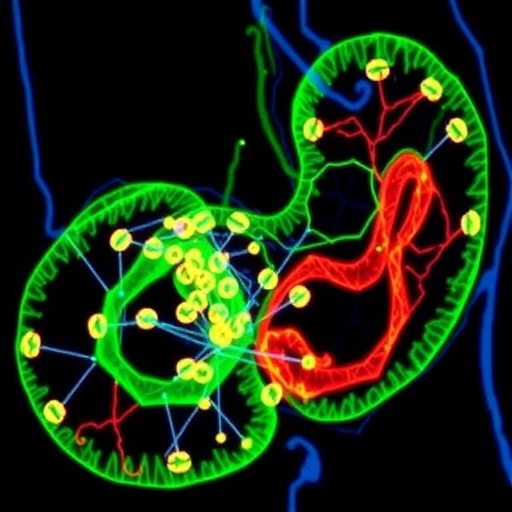
Gastric cancer remains one of the world’s most lethal malignancies, and its treatment is increasingly threatened by resistance to cisplatin, a cornerstone chemotherapy drug. Although cisplatin can destroy cancer cells by creating DNA crosslinks that prevent genetic replication and trigger cell death, many tumors eventually adapt. A review published in Genes & Diseases examines how autophagy—a cellular recycling system—may help explain this adaptation and could provide a route toward restoring sensitivity to treatment.
Autophagy, meaning “self-eating,” is a tightly regulated process that allows cells to break down damaged proteins, defective mitochondria, and other unwanted components. The material is enclosed within structures called autophagosomes, which later fuse with lysosomes containing digestive enzymes. The resulting molecular building blocks can be reused for energy and repair. Under normal conditions, autophagy protects cells from stress. In cancer, however, the same survival mechanism can become a powerful defense against chemotherapy.
Cisplatin resistance in gastric cancer does not arise from a single molecular defect. Tumor cells may increase their ability to repair cisplatin-induced DNA damage, reduce the accumulation of the drug, alter pathways that control apoptosis, or reshape the surrounding tumor microenvironment. Changes in cellular metabolism and signaling can further support survival. According to the review, autophagy intersects with many of these mechanisms, helping cancer cells withstand the metabolic and genetic damage caused by treatment.
The relationship between autophagy and cancer is complex because the process can have opposite effects. Excessive or uncontrolled autophagy may contribute to a form of cellular destruction, particularly when cancer cells are exposed to severe stress. More commonly, however, moderate autophagy acts as a protective response. By removing damaged mitochondria and supplying nutrients during treatment, it can prevent the accumulation of toxic cellular components and delay the onset of apoptosis. The biological outcome therefore depends on the intensity, timing, and molecular context of autophagy within each tumor.
The review discusses several existing medicines that could be repurposed or combined with cisplatin to manipulate this process. Chloroquine, for example, interferes with the function of lysosomes and can block the later stages of autophagy, preventing cancer cells from completing the recycling cycle. Metformin, a widely used diabetes drug, may influence autophagy through energy-sensing pathways such as AMP-activated protein kinase and the mammalian target of rapamycin. Other medicines considered include diclofenac, omeprazole, ubenimex, and bortezomib, each of which may affect autophagy or related stress-response networks through distinct mechanisms.
The review also highlights natural compounds with potential activity against cisplatin-resistant gastric cancer. Glycyrrhizin, baicalein, red ginseng polysaccharide, and α-mangosteen are among the candidates discussed. Laboratory studies suggest that such compounds may alter oxidative stress, inflammatory signaling, mitochondrial function, or autophagy-related proteins. However, their presence in a review does not mean that they are proven clinical treatments. Their effectiveness, optimal dosage, pharmacological behavior, and safety alongside cisplatin will require careful validation in animal studies and controlled human trials.
At the molecular level, researchers are investigating the signaling networks that determine whether autophagy protects or eliminates tumor cells. These include pathways controlled by mTOR, AMPK, PI3K, AKT, and other regulators of cellular growth and metabolism. Transcription factors, microRNAs, and proteins involved in autophagosome formation may also influence treatment response. Mapping these networks could allow researchers to identify tumors that rely heavily on protective autophagy and selectively target that vulnerability, rather than applying the same autophagy-modifying strategy to every patient.
The authors further describe the possibility of combining autophagy modulation with immunotherapy, radiotherapy, and precision medicine. Autophagy can influence the release of tumor antigens, immune-cell activity, and the inflammatory environment surrounding a tumor, potentially affecting how effectively the immune system recognizes malignant cells. Radiation can also generate cellular damage that activates autophagy, raising the possibility that carefully timed inhibition or stimulation could improve treatment. Such combinations would need to be designed with precision, since blocking autophagy in healthy tissues or immune cells could produce unwanted effects.
The central message of the review is that autophagy is neither simply a friend nor an enemy of cancer therapy. Its role changes according to tumor genetics, treatment conditions, and the stage of the cellular response. Future strategies may rely on biomarkers that reveal whether autophagy is operating as a survival mechanism in an individual patient’s tumor. By matching cisplatin with the right autophagy-modulating agent, researchers hope to prevent cancer cells from repairing themselves, maintaining energy supplies, and escaping programmed cell death. The approach remains under investigation, but it offers a scientifically grounded strategy for confronting one of gastric cancer’s most persistent clinical challenges.
Web References: Genes & Diseases: https://www.sciencedirect.com/journal/genes-and-diseases ; DOI: https://doi.org/10.1016/j.gendis.2025.101992
References: Luling Wei, Yingfei Zhou, Jiashuo Li, Hongzhao Qi, Shasha Wang, “Autophagy as a therapeutic target for cisplatin-resistant gastric cancer,” Genes & Diseases, Volume 13, Issue 5, 2026, Article 101992. DOI: 10.1016/j.gendis.2025.101992
Cite Scienmag News
Nathaniel Bowman. (August 7, 2026). Targeting Autophagy May Overcome Cisplatin Resistance in Gastric Cancer. Scienmag. https://scienmag.com/targeting-autophagy-may-overcome-cisplatin-resistance-in-gastric-cancer/
Nathaniel Bowman. "Targeting Autophagy May Overcome Cisplatin Resistance in Gastric Cancer." Scienmag, 7 August 2026, https://scienmag.com/targeting-autophagy-may-overcome-cisplatin-resistance-in-gastric-cancer/. Accessed 3 September 2026.
Nathaniel Bowman. "Targeting Autophagy May Overcome Cisplatin Resistance in Gastric Cancer." Scienmag. August 7, 2026. https://scienmag.com/targeting-autophagy-may-overcome-cisplatin-resistance-in-gastric-cancer/


