


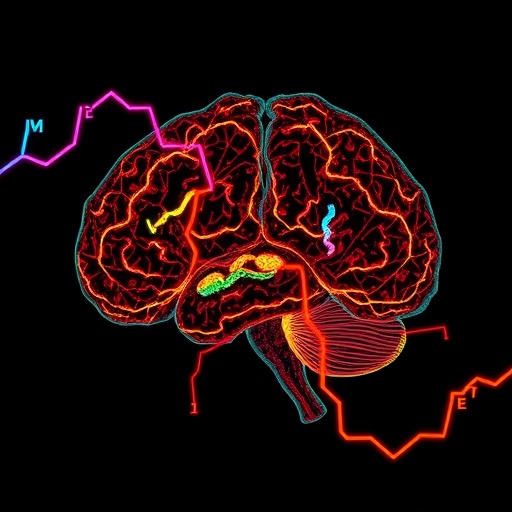
Recent breakthroughs in the understanding of neuroinflammation and cerebral ischemia-reperfusion injury (CIRI) have brought to light potential therapeutic avenues that could redefine treatment protocols. One particularly promising candidate has emerged from recent research: Tanshinone IIA. This compound, which is derived from the traditional Chinese herb Salvia miltiorrhiza, has exhibited substantial bioactive properties, particularly in the context of neuroprotection. Researchers have turned their focus toward Tanshinone IIA’s mechanisms of action, particularly its ability to inhibit microglial activation, a crucial factor in the inflammatory response following cerebral ischemia.
Microglia, the resident immune cells of the central nervous system, play a pivotal role in maintaining homeostasis and responding to injury. However, in conditions of ischemia-reperfusion, microglial activation can lead to an exacerbated inflammatory response, ultimately causing neuronal damage. The research led by Yu et al. reveals how Tanshinone IIA acts to curtail this detrimental activation. By targeting the pathways that lead to microglial activation, Tanshinone IIA provides a dual benefit: it not only alleviates inflammation but also supports neuronal survival, allowing for improved functional recovery following cerebral ischemic events.
The specific biochemical pathways that Tanshinone IIA influences are noteworthy. The study highlights the interaction between Tanshinone IIA and the TGM2 (transglutaminase 2) and PANX1 (Pannexin 1) channels. TGM2 is known for its role in various cellular functions, including the modulation of inflammatory responses. In contrast, PANX1 is a channel that, when activated, can exacerbate cellular inflammation and death. Tanshinone IIA’s ability to inhibit TGM2 and PANX1 activation is central to its therapeutic effects.
Cerebral ischemia-reperfusion injury represents a significant challenge in neurological medicine, leading to long-term disabilities and high mortality rates. Current therapeutic interventions often fall short of providing comprehensive protection or recovery, underscoring the necessity for breakthroughs that can elevate treatment efficacy. By understanding how Tanshinone IIA mitigates the inflammatory response post-ischemia, the research presents an innovative strategy that could one day be incorporated into clinical practice, particularly for patients suffering from stroke or traumatic brain injury.
In addition to its neuroprotective effects, Tanshinone IIA has garnered attention for additional pharmacological properties, including anti-oxidative and anti-apoptotic effects. These attributes further enhance its profile as a candidate for therapeutic development. The antioxidative effects of Tanshinone IIA combat oxidative stress, which is often intensified during ischemia. This oxidative stress, if unregulated, can lead to further neural cell death and exacerbates inflammation, creating a vicious cycle that impairs recovery. Thus, Tanshinone IIA stands out not only for its direct action against inflammation but also for its complementary role in damage attenuation.
The findings from Yu et al. are especially pivotal as they offer a bio-molecular framework that can guide future research and potential clinical trials. While the promise of Tanshinone IIA is promising, the research community must now focus on translating these findings into practical applications. Understanding dosage, delivery mechanisms, and potential side effects will be crucial in developing effective therapies based on Tanshinone IIA. Scientific inquiry will likely shift towards the synthesis of this compound, exploring how best to maximize its therapeutic efficacy while minimizing adverse effects.
The implications of this research extend beyond its immediate findings. Given the escalating rates of cerebrovascular diseases globally, the formulation of effective treatments is more pressing than ever. Neurological diseases, particularly those with an inflammatory component, have historically received limited attention in terms of novel therapeutic development. Tanshinone IIA represents a ray of hope in an area of medicine where innovation is sorely needed.
Beyond the laboratory, the research invites public interest not only in medicinal chemistry but also in the broader realm of ethnobotanical research. Nature often provides medicinal solutions, and revisiting traditional therapies, like those offered by Salvia miltiorrhiza, can yield significant insights into contemporary medical challenges. It underscores the importance of integrative approaches that marry traditional knowledge with modern scientific methodologies.
As the research continues to unfold, it is vital to foster interdisciplinary collaboration. Incorporating insights from molecular biology, pharmacology, and clinical studies will pave the way for comprehensively understanding the mechanisms at play. Furthermore, it advocates for increased funding and support for research pathways that explore lesser-known compounds derived from natural sources, as they hold keys to unlocking new therapeutic strategies.
In conclusion, the innovative findings on Tanshinone IIA present a substantial stride toward mitigating neuroinflammation and promoting care for individuals facing cerebral ischemia-reperfusion injuries. Moving forward, the translation of these scientific breakthroughs into therapeutic practice will require rigorous clinical evaluations and a commitment to harnessing nature’s pharmacy for the wellbeing of humanity. The path ahead bears promise, but only through sustained inquiry and collaboration can we hope to unlock the full potential of Tanshinone IIA in the pursuit of neurological healing and recovery.
In a field yearning for advancements, Tanshinone IIA stands as a testament to the capabilities of research to forge new horizons in treatment methodologies. As this exploration continues, it invites a reinvigorated dedication to not just alleviate suffering but also restore hope for neurological patients worldwide.
Cite Scienmag News
Cassandra Pierce. (December 10, 2025). Tanshinone IIA Eases Cerebral Injury by Modulating Inflammation. Scienmag. https://scienmag.com/tanshinone-iia-eases-cerebral-injury-by-modulating-inflammation/
Cassandra Pierce. "Tanshinone IIA Eases Cerebral Injury by Modulating Inflammation." Scienmag, 10 December 2025, https://scienmag.com/tanshinone-iia-eases-cerebral-injury-by-modulating-inflammation/. Accessed 3 September 2026.
Cassandra Pierce. "Tanshinone IIA Eases Cerebral Injury by Modulating Inflammation." Scienmag. December 10, 2025. https://scienmag.com/tanshinone-iia-eases-cerebral-injury-by-modulating-inflammation/


