

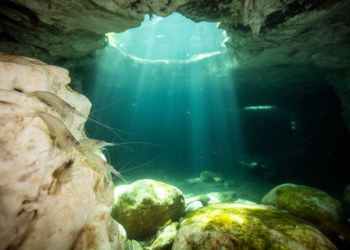
Stable isotopes reveal how blind cave shrimps anchor Yucatan anchialine food webs
Stable isotope analysis of Typhlatya shrimps across Yucatan cenotes shows three species occupying distinct trophic niches, with T. pearsei relying ...
Stable isotope analysis of Typhlatya shrimps across Yucatan cenotes shows three species occupying distinct trophic niches, with T. pearsei relying ...

A year-round study in Mérida, Mexico, reveals that springtime biomass burning and summer African dust alternately reshape Caribbean aerosol chemistry, ...
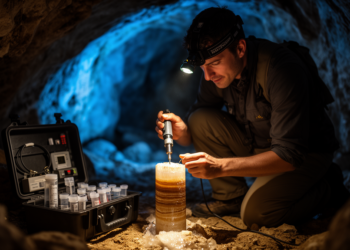
A new multi-method dating framework corrects severe thorium contamination in Yucatán stalagmites, producing robust 2,700-year climate chronologies that can illuminate ...
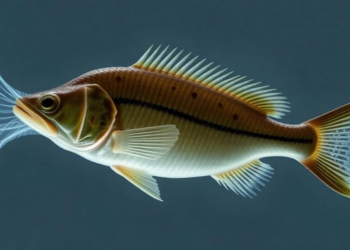
Researchers in Mexico have provided the first DNA sequences and a complete modern redescription of the century-old gill parasite Lernanthropus ...
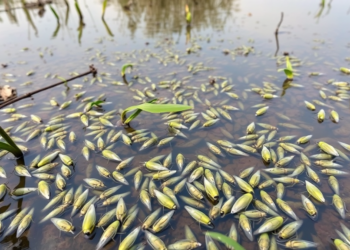
A survey of the Ría Celestún Biosphere Reserve in Yucatán, México documented 17 mosquito species, including the first record of ...
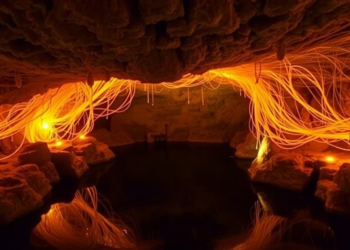
Electrical resistivity tomography reveals hidden subsurface weakness around two Yucatán cenotes, offering a rapid screening tool for collapse susceptibility.


Embark on a thrilling journey of discovery with Scienmag.com—your ultimate source for cutting-edge breakthroughs. Immerse yourself in a world where curiosity knows no limits and tomorrow’s possibilities become today’s reality!