

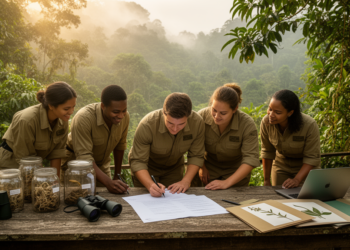
Scientists Propose a Global Code of Conduct for Fieldwork and Biodiversity Research
An international team has published a proposed code of conduct addressing the ethical gaps in fieldwork across ecology, biogeography and ...
An international team has published a proposed code of conduct addressing the ethical gaps in fieldwork across ecology, biogeography and ...
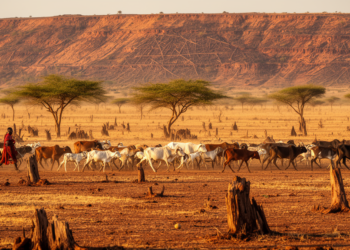
A survey of 96 households in Ethiopia's Hamer District identifies deforestation and overgrazing as the leading threats to wildlife while ...
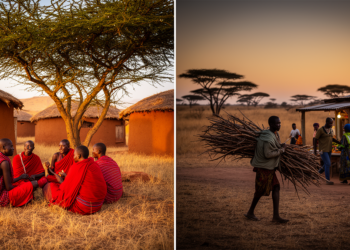
A new mixed-methods study across 12 Tanzanian villages reveals that communities receiving conservation outreach benefits explain declining bushmeat availability through ...
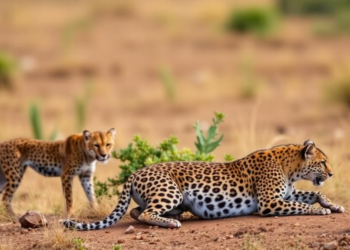
A five-year survey in southern Ethiopia's Sirso landscape documents 1,280 livestock killed by carnivores, US$118,167 in losses, and retaliatory killings ...
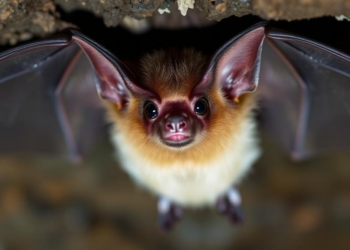
By sequencing DNA from ancient cave remains, museum specimens, and living bats, researchers have reconstructed more than two thousand years ...

A four-year study of Eurasian red squirrels across Berlin's urban-rural gradient reveals subtle genetic differentiation driven by city infrastructure, yet ...
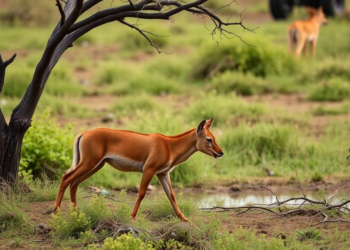
A new review concludes that controlling rabies in sub-Saharan Africa's wild carnivores will require combined vaccination, preventive measures and strengthened ...
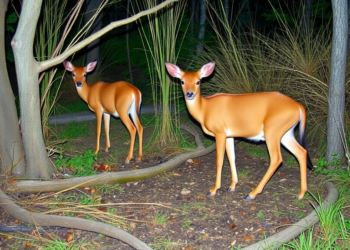
A systematic review of 159 studies shows that deep learning has transformed the monitoring of endangered wildlife, from species recognition ...
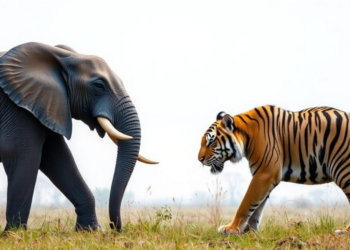
A systematic review finds that deep learning outperforms other technologies in detecting and predicting human–wildlife conflict, with elephants, tigers, monkeys ...

Researchers have proposed a comparative framework that helps conservationists determine whether host genetics or environmental factors are the dominant shapers ...


Embark on a thrilling journey of discovery with Scienmag.com—your ultimate source for cutting-edge breakthroughs. Immerse yourself in a world where curiosity knows no limits and tomorrow’s possibilities become today’s reality!