


Swiss Partisan Affective Polarization Plateaued Over Past Two Decades Study Finds
An extensive analysis of Swiss electoral and survey data reveals that affective partisan polarization plateaued after 2003 while remaining strongly ...
An extensive analysis of Swiss electoral and survey data reveals that affective partisan polarization plateaued after 2003 while remaining strongly ...

A new editorial in Frontiers in Political Science argues that voting behavior research needs statistical designs that capture how, when, ...

A UC Davis psychiatrist argues in JAMA Health Forum that voter suppression is a structural determinant of health, citing evidence ...
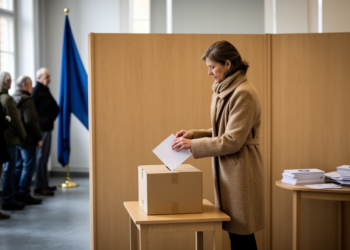
Swedish survivors of the 2004 Indian Ocean tsunami turned out to vote at persistently higher rates than matched non-exposed citizens ...
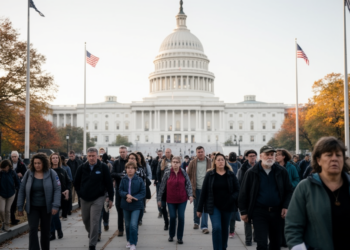
A UC Davis-led study finds that with only eight Senate election cycles since 2010, modelers cannot pin down how strongly ...
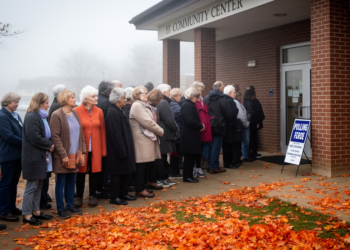
A three-decade analysis of U.S. elections finds that age is the main demographic difference between midterm and presidential electorates, with ...

New Michigan State University research published in PLOS ONE shows that anger fuels political activism only when people believe they ...

A new systematic review of 71 studies reveals that altruism is a powerful but fragmented explanation for why people vote, ...


Embark on a thrilling journey of discovery with Scienmag.com—your ultimate source for cutting-edge breakthroughs. Immerse yourself in a world where curiosity knows no limits and tomorrow’s possibilities become today’s reality!