


Kenya study links uncorrected refractive error to avoidable visual impairment
A cross-sectional study in Kenya found that uncorrected refractive error contributes significantly to avoidable visual impairment among community residents.
A cross-sectional study in Kenya found that uncorrected refractive error contributes significantly to avoidable visual impairment among community residents.

A retrospective cohort study found that initiating tirzepatide was not associated with increased ophthalmic risk over one year compared to ...

A large school screening programme in Cameroon found that 4.9 percent of secondary students had presenting visual impairment, with myopia ...

A cross-sectional study in Peru's Amazonas region found that urban secondary school students had twice the prevalence of visual impairment ...
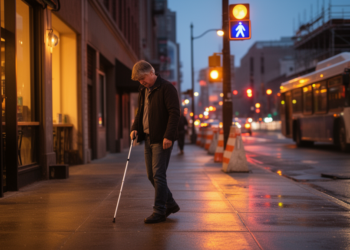
A scoping review of 24 studies finds that urban sounds help and hinder wayfinding for people with visual impairment depending ...

A French qualitative study of 15 families and 15 professionals shows visually impaired young people repurposing mainstream technologies like smartphones ...
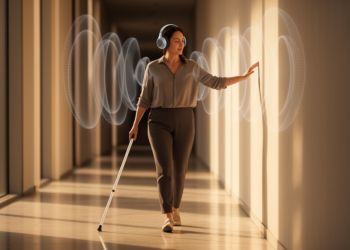
A systematic review of ten small studies finds preliminary but low-certainty evidence that sound-based movement and navigation training may improve ...
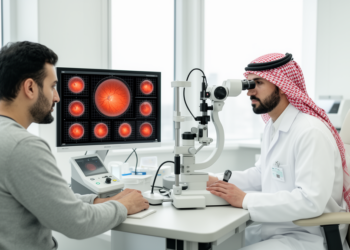
A retrospective study of 1,000 Saudi patients with type 2 diabetes found that a nine-feature CatBoost model predicted visual impairment ...
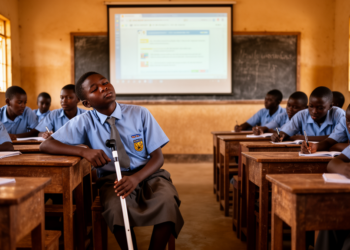
A qualitative single-case study of 12 students and four academic staff with visual impairments at the Open University of Tanzania ...
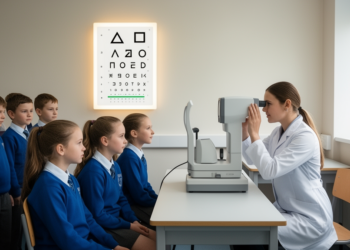
A cross-sectional analysis of 4.47 million Southern Fujian school vision-screening records found similar myopia prevalence in preschool boys and girls, ...


Embark on a thrilling journey of discovery with Scienmag.com—your ultimate source for cutting-edge breakthroughs. Immerse yourself in a world where curiosity knows no limits and tomorrow’s possibilities become today’s reality!