


Hypergraph Network Optimizes Solar Electric Vehicle Charging in Grid Simulation Study
A simulation study shows that a hypergraph-based control network enhances power flow and efficiency for solar-integrated electric vehicle charging stations.
A simulation study shows that a hypergraph-based control network enhances power flow and efficiency for solar-integrated electric vehicle charging stations.

A physics-based modeling study shows that pairing a thirty-kilowatt-hour sodium-ion battery with a compact motorcycle engine generator cuts vehicle mass, ...

A hybrid bee-colony and genetic algorithm with physics-informed neural network screening plans electricity dispatch in wind-, solar-, and electric-vehicle-rich grids ...

An online Gaussian-process controller that tightens its own safety limits based on prediction uncertainty retained 4.3 percentage points more battery ...
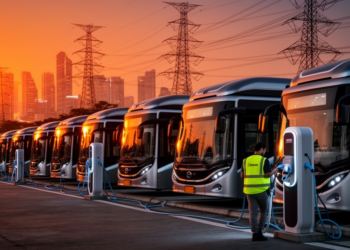
A theoretical modelling study suggests a 100-bus TransJakarta depot could shave 4.25 MWh of peak demand over two hours while ...
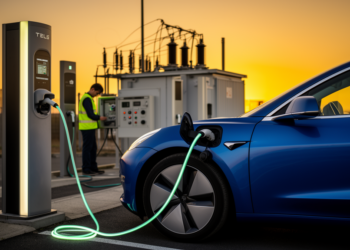
A new network-based assessment framework quantifies how well electric vehicles, charging stations, aggregators and distribution grids coordinate, showing that enhanced ...

A simulation study of a weak 22 kV feeder in Phongsaly, Laos, finds that a synchronized fleet of 784 electric ...
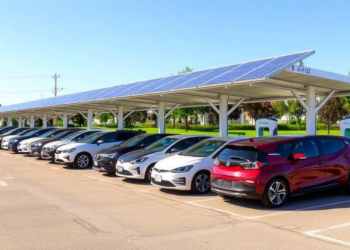
A new bi-level optimization framework coordinates solar generation, battery storage, and vehicle-to-grid electric vehicle fleets, cutting a charging station's evening ...
An Italian optimization study shows that bidirectional electric vehicle fleets can cut community energy costs by up to 52 percent ...


Embark on a thrilling journey of discovery with Scienmag.com—your ultimate source for cutting-edge breakthroughs. Immerse yourself in a world where curiosity knows no limits and tomorrow’s possibilities become today’s reality!