

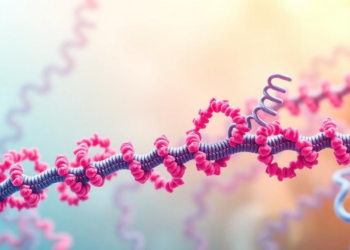
Protein neddylation: substrate landscape and target modulators
A review maps the neddylation pathway, its non-Cullin substrates and small-molecule inhibitors, including two NAE inhibitors that have entered clinical ...
A review maps the neddylation pathway, its non-Cullin substrates and small-molecule inhibitors, including two NAE inhibitors that have entered clinical ...
A new review argues that the ubiquitin-proteasome system degrades P-glycoprotein at the blood-brain barrier, impairing amyloid-beta clearance and offering new ...
A new computational study suggests that next-generation CRBN E3 ligase modulators, particularly CC-885, may hold the key to overcoming mutation-driven ...
New research reveals how the gap junction protein connexin 36 is degraded in photoreceptor cells under excitotoxic stress, implicating autophagic, ...
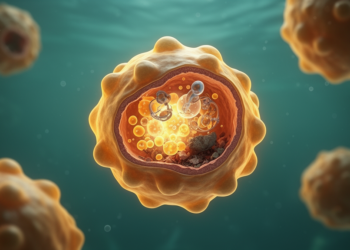
Researchers at Lund University have shown that pancreatic cancer cells engineered to survive detachment consistently switch on autophagy and ubiquitin ...
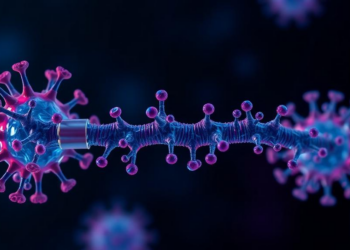
A new review in Cancer Cell International maps how the deubiquitinase USP7 acts as both tumor promoter and suppressor depending ...
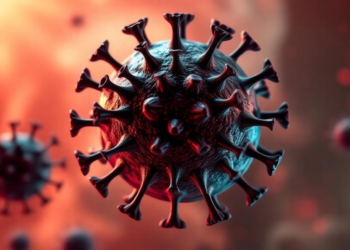
New cryo-EM structures reveal how the HIV-1 protein Vpr reshapes the human CRL4(VprBP) E3 ligase to degrade host substrates of ...
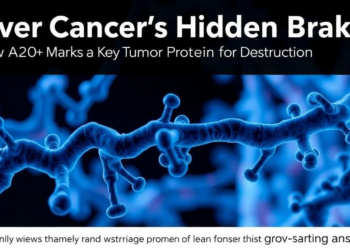
New research reveals that the ubiquitin-editing enzyme A20 promotes the degradation of the pro-tumor protein osteopontin in hepatocellular carcinoma, offering ...
Researchers report that loss of the tumor suppressor LZTR1 stabilizes mitochondrial transcription factor A, reprogramming liver cancer cells toward complex ...
A new review argues that Huntington's disease is driven by widespread disruptions of interconnected protein networks, pointing to hub proteins ...


Embark on a thrilling journey of discovery with Scienmag.com—your ultimate source for cutting-edge breakthroughs. Immerse yourself in a world where curiosity knows no limits and tomorrow’s possibilities become today’s reality!