

Blood Fats May Explain Why Schizophrenia Patients Respond Differently to Treatment
A post hoc analysis of nearly 3,000 patients with acute schizophrenia identifies three symptom-based subgroups with distinct lipid profiles and ...
A post hoc analysis of nearly 3,000 patients with acute schizophrenia identifies three symptom-based subgroups with distinct lipid profiles and ...
A machine learning model trained on CT texture features of metastatic neck lymph nodes predicted which patients with advanced nasopharyngeal ...
A Chinese proof-of-concept study found that a CT radiomics model predicting early response to radiotherapy in elderly esophageal cancer patients ...
Researchers have developed a registration-consistent framework that turns routine daily cone-beam CT scans into a longitudinal measure of tumour texture ...
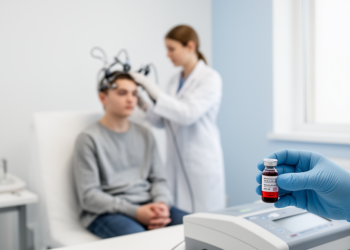
A randomized trial in adolescents with depression found that baseline suPAR levels predicted response to rTMS while early changes in ...
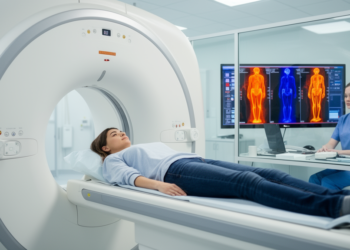
A Swedish study of 133 patients shows that FDG-PET/CT response assessment after chemoradiotherapy strongly predicts recurrence and overall survival in ...
A retrospective study of 108 Chinese men with prolactinoma shows that dopamine agonist therapy achieves strong biochemical and tumor control, ...
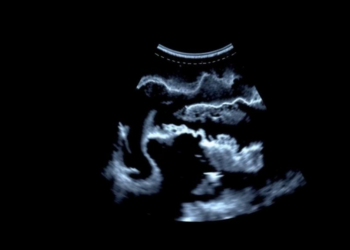
A prospective study of eighteen patients with morphea found that ultrasound-measured dermal thickness significantly decreased with treatment, positioning high-frequency ultrasound ...
A four-week follow-up study of 70 patients with bipolar mania found that changes in total antioxidant capacity significantly predicted symptomatic ...
A new commentary argues that LI-RADS, the standardized liver imaging system built for diagnosis, is evolving into a prognostic biomarker ...


Embark on a thrilling journey of discovery with Scienmag.com—your ultimate source for cutting-edge breakthroughs. Immerse yourself in a world where curiosity knows no limits and tomorrow’s possibilities become today’s reality!