

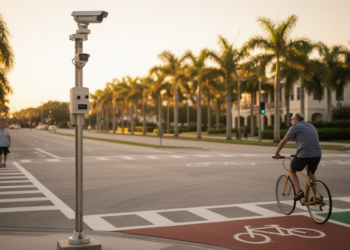
Machine learning traces shifting crash severity for Florida pedestrians and bicyclists
A Florida study of 60,300 pedestrian and bicyclist crashes found injury severity relationships shifted after COVID-19, with road user mode ...
A Florida study of 60,300 pedestrian and bicyclist crashes found injury severity relationships shifted after COVID-19, with road user mode ...
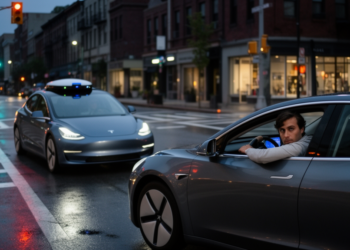
A new evidence synthesis proposes a taxonomy linking autonomous-vehicle interaction factors to human driver errors, finding unsafe behavior concentrated in ...
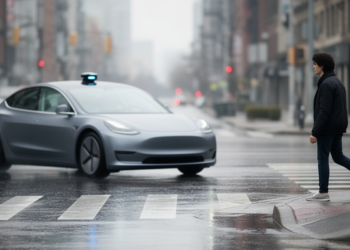
A video-based experiment with 136 participants found that the kinematics of a highly automated vehicle dominated pedestrian willingness to cross ...

A controlled benchmark of six machine-learning classifiers on a synthetic road-accident dataset shows that the most accurate models still missed ...
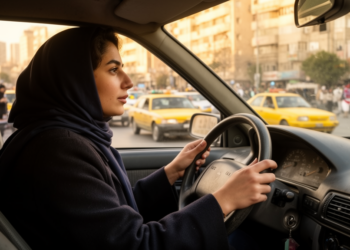
A qualitative study in Tabriz, Iran, reveals how gender-based harassment impacts female drivers' safety, confidence, and mobility in a rapidly ...
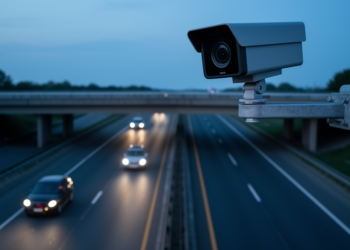
A new adaptive camera framework detects highway wrong-way drivers with 97.62 percent precision while automatically recalibrating after camera rotations and ...
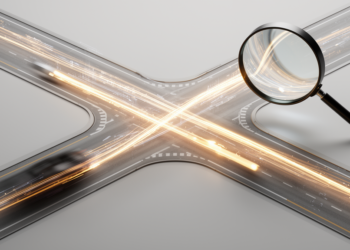
A new study from Texas Tech University reveals that ignoring selection bias in post-encroachment time analysis at signalized intersections can ...
A new hierarchical reinforcement learning framework pairing DDQN and DDPG cuts collision rates by more than half and reduces passenger ...

A Penn Medicine study of nearly 130,000 connected vehicle trips found that seatbelt use drops at night, at higher speeds, ...
A study of real Lyft, Waymo, and adaptive cruise control trajectories finds that automated vehicles follow more safely than humans ...


Embark on a thrilling journey of discovery with Scienmag.com—your ultimate source for cutting-edge breakthroughs. Immerse yourself in a world where curiosity knows no limits and tomorrow’s possibilities become today’s reality!