

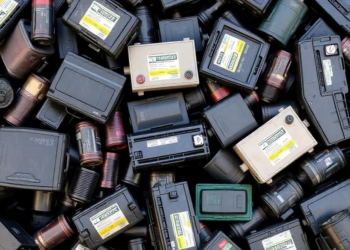
Recycling’s Hidden Workhorse: How Black Mass Separation Could Make Battery Reuse Pay
A detailed techno-economic and life cycle assessment shows mechanical black mass separation from spent EV and phone batteries is highly ...
A detailed techno-economic and life cycle assessment shows mechanical black mass separation from spent EV and phone batteries is highly ...
A new review maps how solar thermal and electrochemical desalination technologies could help close a projected 40 percent gap between ...

A new review of more than 450 studies maps how artificial intelligence is transforming clean technologies across energy, carbon capture, ...
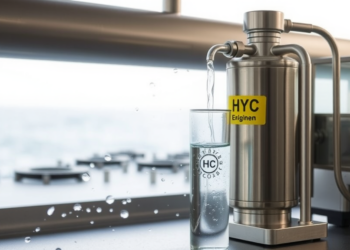
Researchers have demonstrated a 250-kilowatt system that co-produces hydrogen and fresh water from seawater by using waste heat from alkaline ...
Researchers argue that reactive capture of CO2, which feeds capture solvents directly into electrolysers, could reach industrial adoption ahead of ...

A new review shows that sugarcane bagasse, the sugar industry's largest waste stream, can be biologically converted into high-value rhamnolipid ...

Researchers at Johns Hopkins University have developed a membraneless electrochemical carbon capture system using solid-state sodium iron phosphate counter-electrodes that ...
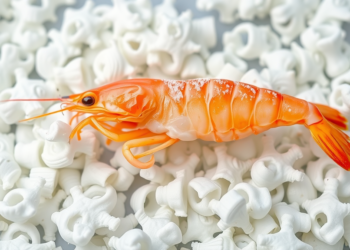
A microwave-assisted extraction method produces higher-yield, higher-quality chitosan from shrimp shell waste with up to 94.6 percent less energy than ...

A new economic framework uses discounted cash flow logic to map the critical path from lunar prospecting to bankable mining ...

In recent years, the global challenge of plastic pollution has become increasingly alarming, with over 400 million tons of plastic ...


Embark on a thrilling journey of discovery with Scienmag.com—your ultimate source for cutting-edge breakthroughs. Immerse yourself in a world where curiosity knows no limits and tomorrow’s possibilities become today’s reality!