

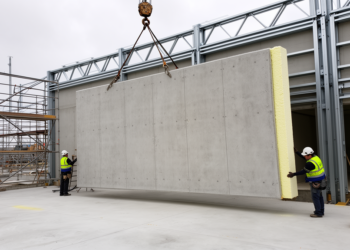
Sandwich Wall Panels Cut Construction Energy Use by 27 Percent in Head-to-Head Trial
A new study finds that three-layer prefabricated composite wall panels cut on-site construction energy use by 27.3 percent while achieving ...
A new study finds that three-layer prefabricated composite wall panels cut on-site construction energy use by 27.3 percent while achieving ...
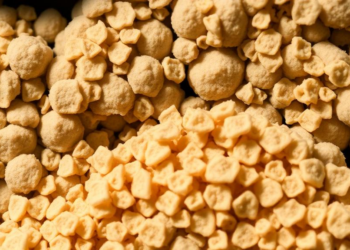
Researchers grew insulation biocomposites from fungal mycelium and agricultural waste, finding that a hemp shive and Pleurotus ostreatus composite achieved ...

South African researchers show that adding three percent potassium sulphate to hempcrete nearly doubles its compressive strength and reduces shrinkage ...

Researchers in Brazil have engineered lightweight sandwich panels combining bamboo-ring cores, fiber cement facings, and a bio-based castor-oil polyurethane adhesive, ...
Researchers in Thailand have turned discarded PVC pipes, cling film waste and teak sawdust into lightweight foamed wood–plastic composites whose ...

Researchers have optimized an alkali-activated mortar made from ceramic sanitary ware and eggshell waste that achieves over 80 MPa strength, ...

Researchers show that route-specific admixture chemistry can turn stockpiled phosphogypsum waste into printable, load-bearing 3D-printed building structures.
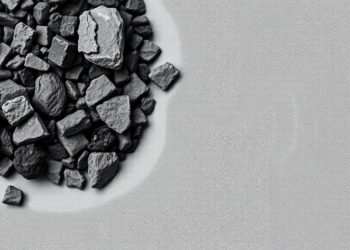
A new study shows that finely ground coal slurry waste can replace up to 20 percent of cement in self-compacting ...

A hybrid Z-number AHP–Euclidean TOPSIS framework built from 202 expert matrices shows that choosing recyclable materials delivers the greatest cradle-to-gate ...
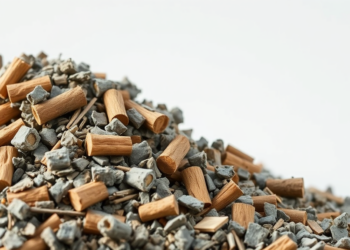
French researchers found that adding just 5 to 20 percent ordinary Portland cement to binders made almost entirely of wood ...


Embark on a thrilling journey of discovery with Scienmag.com—your ultimate source for cutting-edge breakthroughs. Immerse yourself in a world where curiosity knows no limits and tomorrow’s possibilities become today’s reality!