


Scientists propose four mechanisms explaining how crime opportunities evolve
A theoretical paper in Crime Science proposes four biologically inspired mechanisms, called SUPA, through which new crime opportunities emerge and ...
A theoretical paper in Crime Science proposes four biologically inspired mechanisms, called SUPA, through which new crime opportunities emerge and ...

A study of Adiantum ferns on China's Karst and Danxia landforms finds a two-phase diversification driven first by bedrock-mediated soil ...

A systematic review of 67 papers finds the century-old term hybrid swarm is applied inconsistently across hybridization studies and argues ...

The first complete mitochondrial genomes of endangered Hansenia species from the Qinghai-Tibet Plateau reveal varied genome architectures and link the ...

Genomic sequencing of two morphologically identical, geographically overlapping Japanese crickets reveals distinct lineages whose few fixed amino acid substitutions concentrate ...
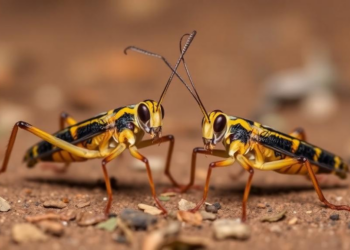
A range-wide study of 4,221 field crickets found substantial geographic variation in traits that distinguish two hybridizing species, along with ...

Simulations reveal that describing just 14 to 16 percent more species in species-rich southern regions could reverse apparent latitudinal gradients ...
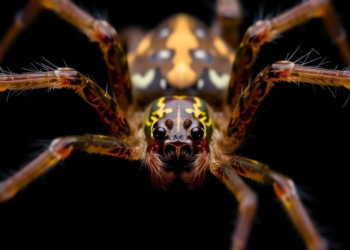
A new cytogenetic study of seven European Pholcus spider species reveals that chromosome inversions, shifting sex chromosomes, and lost ribosomal ...

A new cryptic butterfly species, Polyommatus lurae, has been discovered in Albania using mitochondrial DNA, chromosome analysis and wing colour ...

DNA barcoding has revealed a genetically distinct, previously unrecognized subspecies of the Wood White butterfly, Leptidea sinapis tabarestana, confined to ...


Embark on a thrilling journey of discovery with Scienmag.com—your ultimate source for cutting-edge breakthroughs. Immerse yourself in a world where curiosity knows no limits and tomorrow’s possibilities become today’s reality!