

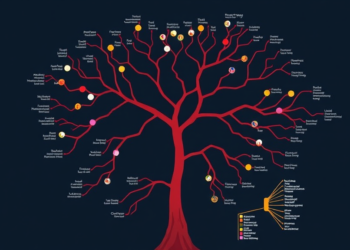
Cancer’s Family Tree Gets a Map: Lineage Tracing Reveals How Tumors Grow and Spread
A new Nature Genetics study combines spatial transcriptomics and lineage tracing to map how lung tumor subclones expand, reshape their ...
A new Nature Genetics study combines spatial transcriptomics and lineage tracing to map how lung tumor subclones expand, reshape their ...
A new glycoproteomic analysis shows that protein-residual N-glycosylation of extracellular matrix proteins marks a myCAF-enriched stromal state in pancreatic ductal ...
New research shows that the transcription factor SOX9 primes Hippo–YAP/TAZ pathway rewiring during a narrow early window of stemness acquisition ...
Researchers at Brown University have developed SCIGMA, a deep learning framework that integrates up to five spatial omics modalities across ...
A multi-omics study traces cervical carcinogenesis from normal tissue to invasive cancer and identifies galectin-9-driven immune evasion as a promising ...

A new spatially aware graph-learning framework called PlantCCC prioritizes context-specific ligand–receptor communication patterns in plant spatial transcriptomics.
A new single-cell and spatial transcriptomic atlas reveals that human and mouse adrenal glands differ in their steroid-producing cell states ...

Researchers identified novel PRSS1 trypsinogen variants in IgG4-related disease tissue and linked them to M2 macrophage-driven type 2 immune responses.
Researchers have mapped how senescent kidney cells attract immune cells into localized inflammatory niches and shown that senolytic treatments can ...

By combining single-nucleus RNA sequencing with spatial transcriptomics, researchers have built a detailed spatiotemporal atlas of the postnatal mouse heart, ...


Embark on a thrilling journey of discovery with Scienmag.com—your ultimate source for cutting-edge breakthroughs. Immerse yourself in a world where curiosity knows no limits and tomorrow’s possibilities become today’s reality!