


Study Reveals Deep Geographic Variation in Indian Son Preference Patterns
A study using Geographically Weighted Regression on NFHS-5 data reveals that son preference in India is a spatially heterogeneous process ...
A study using Geographically Weighted Regression on NFHS-5 data reveals that son preference in India is a spatially heterogeneous process ...

A narrative review indicates that demographic and educational improvements in Haryana cannot be attributed to the Aapki Beti Hamari Beti ...

While fertility rates have declined in West Bengal, in-laws continue to influence the timing of first childbirth and preferred sex ...

A qualitative study in Tamil Nadu identifies economic, cultural, and contraceptive barriers driving higher-order births despite replacement-level fertility.

A subnational study of 22 Asian countries reveals that family-based patriarchy operates through three distinct configurational regimes rather than a ...

A new comparative study of Haryana's Aapki Beti Hamari Beti scheme argues that cash incentives improve girls' welfare only when ...
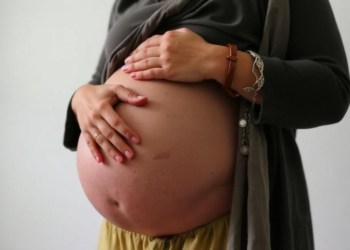
A qualitative study of 32 participants in Ilam Province, Iran, reveals that violence against pregnant women operates through weak legal ...


Embark on a thrilling journey of discovery with Scienmag.com—your ultimate source for cutting-edge breakthroughs. Immerse yourself in a world where curiosity knows no limits and tomorrow’s possibilities become today’s reality!