

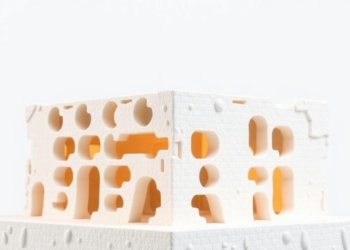
Waste Phosphogypsum Finds New Life in 3D-Printed Buildings Through Smart Additive Chemistry
Researchers show that route-specific admixture chemistry can turn stockpiled phosphogypsum waste into printable, load-bearing 3D-printed building structures.
Researchers show that route-specific admixture chemistry can turn stockpiled phosphogypsum waste into printable, load-bearing 3D-printed building structures.

Researchers coated coal gangue aggregate with sodium silicate, silica fume, or limestone powder and showed that the right coating dramatically ...
Researchers in Guangxi have converted waste oyster shells and problematic expansive soil into a durable superhydrophobic filling material that blocks ...
Adding small doses of nano-silica transforms red mud, one of the world's largest industrial waste streams, into a strength-boosting component ...
A new scientific journal is inviting researchers to rethink one of the planet’s most persistent problems: what happens to solid ...

Embark on a thrilling journey of discovery with Scienmag.com—your ultimate source for cutting-edge breakthroughs. Immerse yourself in a world where curiosity knows no limits and tomorrow’s possibilities become today’s reality!