


Cathodic Polarization Substantially Reduces Cobalt Ferrite Cathode Resistance in Fuel Cells
Sequential cathodic polarization of cobalt ferrite cathodes in solid oxide fuel cells decreased polarization resistance by 75.9 percent while modifying ...
Sequential cathodic polarization of cobalt ferrite cathodes in solid oxide fuel cells decreased polarization resistance by 75.9 percent while modifying ...

Arizona State University engineers modeled and built a thermally integrated micro-tubular flame-assisted fuel cell that ran for 1.4 hours on ...
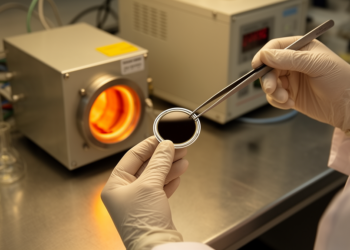
Nanocrystalline SrTi1−xFexO3−δ perovskites emerge as cobalt-free, structurally adaptive symmetric electrodes for intermediate-temperature solid oxide fuel cells, with Fe content governing ...

Scientists have discovered a Sillén oxybromide that conducts oxide ions exceptionally fast at 233 °C, offering a route to low-temperature ...

A new study finds that 10 mole percent ceria doping maximizes the ionic conductivity of yttria-stabilized zirconia electrolytes for solid ...

Researchers have synthesized nickel-doped lanthanum silicate oxyapatites by a low-temperature co-precipitation route that achieve a record-high oxide ion conductivity of ...

A new review details how synthesis routes and rare-earth doping transform samarium zirconate pyrochlore into a leading candidate for next-generation ...
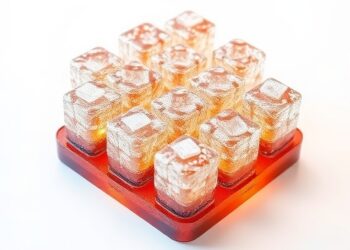
In a development that could reshape the landscape of clean energy technology, researchers at the University of Texas at San ...
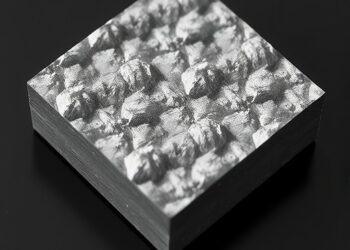
Fuel cells have long promised a cleaner way to make electricity — converting chemical energy directly into current, with no ...

In the pursuit of clean and efficient energy conversion, solid oxide fuel cells (SOFCs) have emerged as a promising technology ...


Embark on a thrilling journey of discovery with Scienmag.com—your ultimate source for cutting-edge breakthroughs. Immerse yourself in a world where curiosity knows no limits and tomorrow’s possibilities become today’s reality!