


Sequential ECMO Mode Conversion Manages Severe Pneumonia Complicated by Septic Shock
Clinicians in China successfully managed a severe case of Klebsiella pneumoniae pneumonia and refractory septic shock by dynamically converting venoarterial ...
Clinicians in China successfully managed a severe case of Klebsiella pneumoniae pneumonia and refractory septic shock by dynamically converting venoarterial ...

Intraperitoneal injection of hydrogen gas protected mice against lipopolysaccharide-induced myocardial injury by modulating inflammatory cascades and pyroptosis signaling pathways.

A prospective echocardiographic study of intensive care patients with sepsis demonstrates that elevated cardiac preload correlates with persistent tachycardia and ...

A preclinical study in rats indicates that low-dose esmolol infusion improves survival and mitigates sepsis-induced myocardial injury, in association with ...

A retrospective study of 44 cardiac patients receiving V-A ECMO found that 24-hour cardiac troponin I levels exceeding 50 ng/mL ...
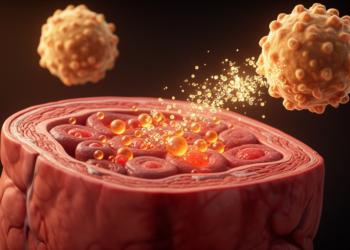
A new study links macrophage STAT3 signaling to a paracrine inflammatory environment associated with ferroptosis-related cardiomyocyte injury in septic cardiomyopathy.


Embark on a thrilling journey of discovery with Scienmag.com—your ultimate source for cutting-edge breakthroughs. Immerse yourself in a world where curiosity knows no limits and tomorrow’s possibilities become today’s reality!