

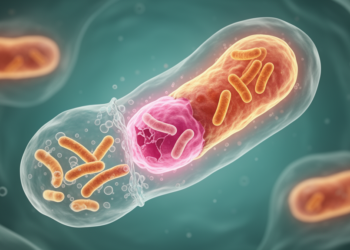
How Pathogens Hijack Mitophagy and What It Means for Treating Infection
A new review details how bacteria and viruses hijack or block the mitochondrial quality-control pathway of mitophagy to survive, evade ...
A new review details how bacteria and viruses hijack or block the mitochondrial quality-control pathway of mitophagy to survive, evade ...
An integrated bioinformatics and machine learning study identifies five shared diagnostic genes connecting sepsis and thoracic aortic aneurysm through immune ...

A new viewpoint in the Journal of General Internal Medicine argues that clinical guidelines proven in wealthy health systems can ...
A retrospective MIMIC-IV analysis of 2,093 ICU patients found that a higher serum creatinine-to-albumin ratio was strongly associated with increased ...
Researchers in Seoul have developed a four-variable prediction model combining procalcitonin, pulse rate, neutrophil-to-lymphocyte ratio, and albumin that accurately identifies ...
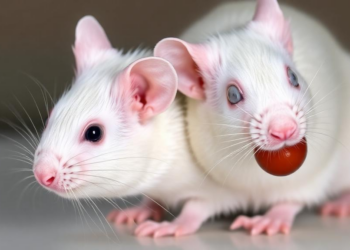
A new rat study shows that the FAAH inhibitor URB597 protects kidneys from sepsis-associated injury by suppressing inflammation, apoptosis, and ...

A University of Michigan analysis of nearly 240,000 Medicare cardiac surgery cases finds hospital infection rates vary more than twofold, ...
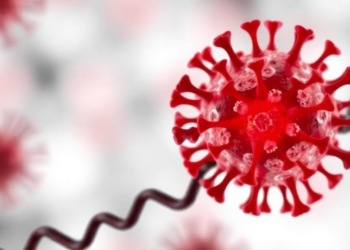
McGill University researchers have identified the enzyme PTPN2 as a key regulator of non-canonical inflammasome activation, revealing how it shapes ...
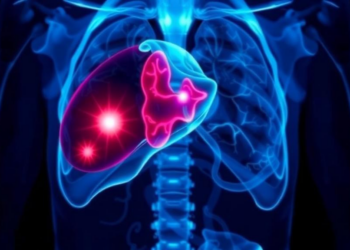
A new systematic review finds that liver injury during pediatric sepsis is associated with nearly fourfold higher odds of death, ...
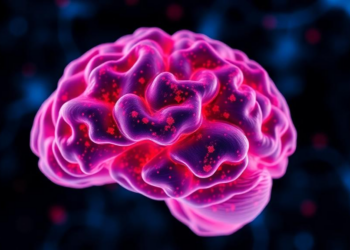
A formal response in Neurocritical Care defends cerebrospinal fluid hemopexin as a candidate biomarker for sepsis after intracerebral hemorrhage amid ...


Embark on a thrilling journey of discovery with Scienmag.com—your ultimate source for cutting-edge breakthroughs. Immerse yourself in a world where curiosity knows no limits and tomorrow’s possibilities become today’s reality!