


Smartphone Addiction Linked to Cervical Disability in Female College Students
A cross-sectional study of 63 female college students found that smartphone addiction was positively associated with cervical disability and forward ...
A cross-sectional study of 63 female college students found that smartphone addiction was positively associated with cervical disability and forward ...

A cross-sectional survey of 442 Austrian secondary students reveals widespread social media use alongside significant gender disparities in platform habits, ...

Researchers have established the SANTBOISA cohort study protocol to investigate how lifestyle, socioeconomic, perinatal, and environmental factors influence longitudinal changes ...

A cross-sectional study of 931 preschoolers in Portugal found that high screen time is associated with shorter sleep, higher ultra-processed ...

A cross-sectional study of 66 children in Chile identified two distinct behavioral configurations linking movement, screen exposure, and diet during ...

An umbrella review encompassing over 14 million participants reveals that most correlates of children's digital technology use lack consistent associations.

A cross-sectional study of 147 elementary school children in Surabaya, Indonesia, found that parental active and restrictive monitoring of on-screen ...
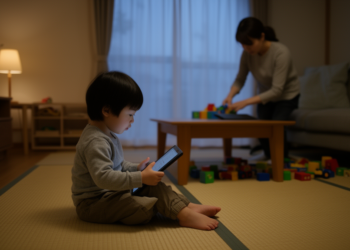
A cross-sectional SEM analysis of nearly 20,000 Japanese preschool children linked screen time to household socioeconomic status, parenting perceptions, and ...

Researchers argue that inconsistent definitions of technology use and well-being, known as the jingle jangle fallacy, are blocking cumulative progress ...

A survey of 57,031 adolescents in Yunnan, China, links breakfast, fruit and vegetable consumption, limited screen time, and adequate sleep ...


Embark on a thrilling journey of discovery with Scienmag.com—your ultimate source for cutting-edge breakthroughs. Immerse yourself in a world where curiosity knows no limits and tomorrow’s possibilities become today’s reality!