


Digital Well-Being Research Is Stalled by a Naming Problem, Scientists Warn
Researchers argue that inconsistent definitions of technology use and well-being, known as the jingle jangle fallacy, are blocking cumulative progress ...
Researchers argue that inconsistent definitions of technology use and well-being, known as the jingle jangle fallacy, are blocking cumulative progress ...

A survey of 57,031 adolescents in Yunnan, China, links breakfast, fruit and vegetable consumption, limited screen time, and adequate sleep ...
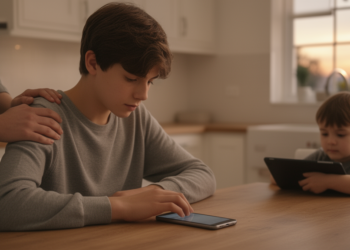
A study of 8,089 adolescents found that stricter digital parenting restrictions were linked to less screen time, though the association ...

A cross-sectional study of 640 Egyptian adolescents found that self-reported screen time correlated strongly with reward sensitivity and mood dysregulation, ...

A cross-sectional study of 618 university students in Lahore, Pakistan, found that average daily screen time exceeded eight hours and ...

A hybrid CNN-LSTM-attention model predicts risky digital usage patterns in adults aged 60 and older with 0.947 accuracy and 0.93 ...
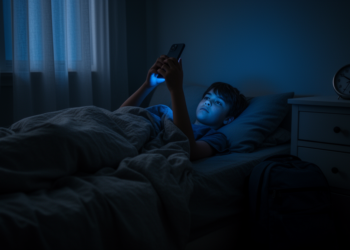
A nationally representative U.S. survey analysis finds that higher recreational weekday screen time is associated with lower odds of adequate ...
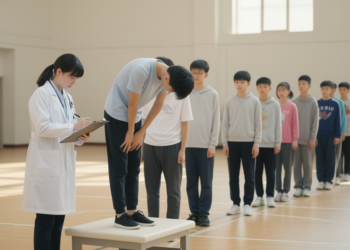
A cross-sectional study of 813 students in Taizhou, China, found that trunk rotation measurements cluster suspiciously at exactly 5 degrees, ...

A cross-sectional study of 3,377 adolescents in Zhengzhou, China, links higher perceived socio-ecological risk across individual, family, school, community, policy, ...

An exploratory study of 291 social media users finds that coping-oriented motives and self-appraisals shaped by public warnings predict addiction-like ...


Embark on a thrilling journey of discovery with Scienmag.com—your ultimate source for cutting-edge breakthroughs. Immerse yourself in a world where curiosity knows no limits and tomorrow’s possibilities become today’s reality!