

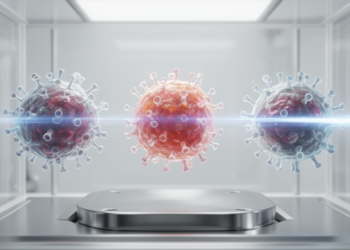
Laboratory study finds electron beams inactivate three human viruses with preserved antigens
A standardized laboratory study found that high- and medium-energy electron beams inactivated three human viruses with broadly comparable D10 values ...
A standardized laboratory study found that high- and medium-energy electron beams inactivated three human viruses with broadly comparable D10 values ...

Rotavirus remains one of the most formidable viral pathogens of early childhood, and a new hospital-based study from Addis Ababa, ...
A hospital-based molecular surveillance study in Yogyakarta, Indonesia, found that rotavirus remains the leading cause of diarrhea hospitalization in children ...
A study in Beira, Mozambique, shows that household water storage and intermittent piped supply allow enteric pathogens, antimicrobial resistance markers, ...
By sequencing viruses harvested from microdissected lesions in archived poultry tissues, researchers have identified three enteric viruses consistently enriched in ...
A new review explains why oral rotavirus vaccines protect children far less effectively in low- and middle-income countries, citing maternal ...
A retrospective study of 226 children with acute gastroenteritis finds that lower lymphocyte counts were the laboratory marker most consistently ...
Harvard Medical School researchers used cryo-electron tomography to reveal how rotavirus VP7 forms a membrane pore that delivers the viral ...
Baltimore, Maryland—Researchers at the University of Maryland School of Medicine have identified social, economic, and environmental factors that may determine ...

Embark on a thrilling journey of discovery with Scienmag.com—your ultimate source for cutting-edge breakthroughs. Immerse yourself in a world where curiosity knows no limits and tomorrow’s possibilities become today’s reality!