

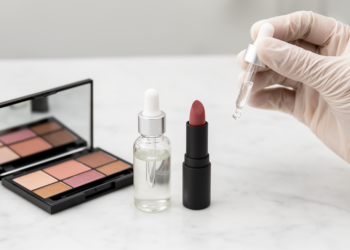
Forever Chemicals Are Rarer in Cosmetics Than Labels and Tests Suggest, Study Finds
A keyword analysis of 1,233 cosmetic products shows that only 0.9 percent declare a true PFAS ingredient, suggesting that most ...
A keyword analysis of 1,233 cosmetic products shows that only 0.9 percent declare a true PFAS ingredient, suggesting that most ...
A PLOS Water essay argues that the failure of water and sanitation providers in low- and middle-income countries is fundamentally ...

Researchers have developed a data-driven framework that reallocates Iran's power distribution loss-reduction budget by measuring each utility's genuinely reducible losses, ...
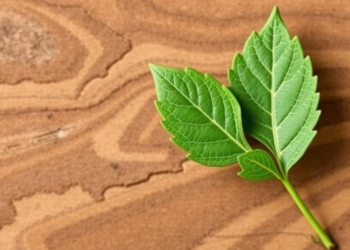
A new review finds that ashwagandha root and leaf differ profoundly in chemistry, clinical evidence, and safety, with major implications ...
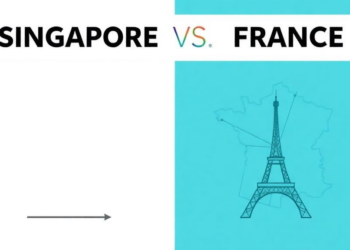
A new comparative study finds that Singapore's innovation-driven, voluntary AI governance and France's ethics-based, EU-anchored model both depend on international ...

A new SMU and Duke-NUS framework published in Nature Human Behaviour shows how AI companions may reinforce social inequality through ...

The first systematic mapping of private equity in Indian health care identifies 70 acquisitions since 2007, mostly foreign-financed and concentrated ...
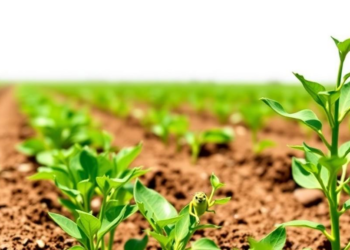
A sweeping new review argues that RNA interference could become a cornerstone of sustainable crop protection, but variable pest responses, ...

A new editorial in Veterinary Oncology introduces a landmark article collection showing how artificial intelligence, from deep learning pathology to ...
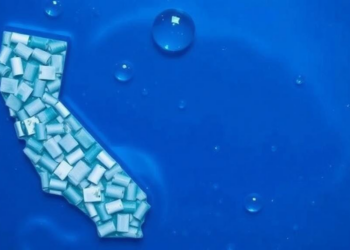
As UN plastics treaty negotiations remain stalled, California's addition of microplastics to its Candidate Chemicals List on October 1 opens ...


Embark on a thrilling journey of discovery with Scienmag.com—your ultimate source for cutting-edge breakthroughs. Immerse yourself in a world where curiosity knows no limits and tomorrow’s possibilities become today’s reality!