


AI method tracks glioblastoma cell movement in living brain tissue
Researchers at Uppsala University developed GlioTrace, an AI-driven method that tracks individual glioblastoma cells in living brain tissue to reveal ...
Researchers at Uppsala University developed GlioTrace, an AI-driven method that tracks individual glioblastoma cells in living brain tissue to reveal ...

A review finds that non-coding RNAs regulate radiation-induced digestive injury across multiple organs, though evidence remains predominantly restricted to cell ...

Thoracic surgeons achieved durable chest wall stabilization and preserved pulmonary mechanics in an elderly patient by reconstructing the thoracic skeleton ...

Researchers have developed MANTIS, an artificial intelligence model that uses routine DNA methylation profiling to predict individualized survival outcomes and ...

A study combining transcriptomic analyses with cell and xenograft models identifies ECM2-associated adhesion signaling as a mechanism promoting glioblastoma adaptation ...

A critical narrative review synthesizes evidence from over eighty studies demonstrating that artificial intelligence applied to multiparametric magnetic resonance imaging ...
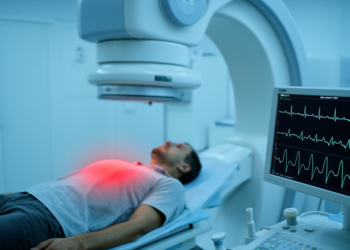
A meta-analysis of 23 studies reports a pooled atrial fibrillation prevalence of 8.5% among cancer patients treated with radiation therapy, ...

A large randomized trial found that a three-week hypofractionated radiation schedule after mastectomy was non-inferior to standard five-week treatment for ...
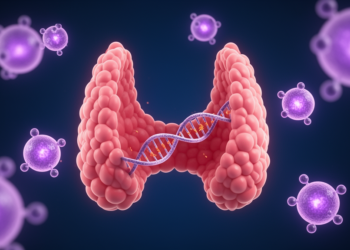
A Johannesburg study tracked micronuclei in thyroid cancer patients for six months after radioactive iodine therapy and found chromosomal damage ...

A new ASTRO clinical guideline recommends moderately shortened radiation schedules for all risk groups of localized prostate cancer and establishes ...


Embark on a thrilling journey of discovery with Scienmag.com—your ultimate source for cutting-edge breakthroughs. Immerse yourself in a world where curiosity knows no limits and tomorrow’s possibilities become today’s reality!