


Plants turn water into electricity as hydrovoltaic devices reach 1.2 volts
A review finds that plant-based hydrovoltaic devices typically deliver 0.2 to 1.2 volts, with raw plant tissues producing currents from ...
A review finds that plant-based hydrovoltaic devices typically deliver 0.2 to 1.2 volts, with raw plant tissues producing currents from ...
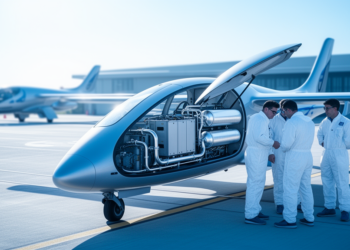
UBC Okanagan researchers and Unilia Fuel Cells are launching a $10.6-million project to design lighter, more durable hydrogen fuel cells ...
A new iron carbide and iron nitride carbon nanosheet catalyst matches platinum's oxygen reduction performance in microbial fuel cells while ...
A new study shows how energy back transfer from Er3+ to Yb3+ ions shifts upconversion luminescence from green to yellow ...
A phosphonated PVA–boric acid membrane with 15 wt% TiO2 achieved 0.030 S cm−1 proton conductivity and 0.48 W cm−2 peak ...
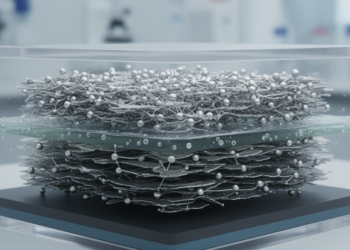
A laboratory study found that 6% nickel-doped MoS2 reached 1,210 F/g in a three-electrode test and 121 Wh/kg in an ...
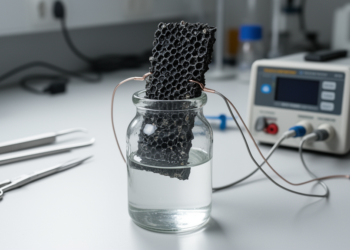
A laboratory NiTe–MoS2/rGO supercapacitor electrode achieved 782 farads per gram and retained 87% of its initial capacity after 5,000 cycles.
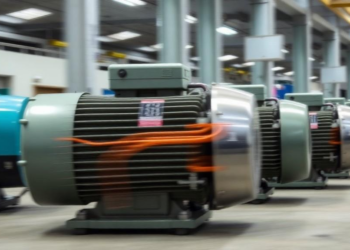
A new review maps the electromagnetic, mechanical, thermal, and control challenges that define the limits of ultra-high-speed electric drive systems ...
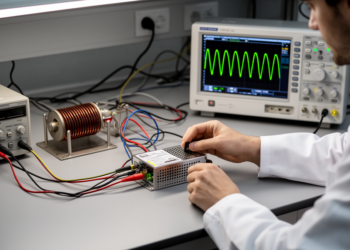
Chinese researchers combined virtual DC machine control with passivity-based control to cut bus-voltage deviations by up to 91.7 percent in ...

A meta-analysis of 105 controlled trials finds that Class IV high-intensity laser therapy delivers large, durable pain relief and structural ...


Embark on a thrilling journey of discovery with Scienmag.com—your ultimate source for cutting-edge breakthroughs. Immerse yourself in a world where curiosity knows no limits and tomorrow’s possibilities become today’s reality!